

Climate change is a global crisis that affects us all, and it’s one that we need to understand. Climate change is defined as a shift in the average conditions on our planet, and it’s largely caused by humans using oil, gas, and coal for their homes, factories, and transport. According to the UN, “Climate change refers to long-term shifts in temperatures and weather patterns.” These changes could be caused by natural processes, such as oscillations in the solar cycle. But since the 1800s, human activities, primarily the combustion of fossil fuels like coal, oil, and gas, have been the primary cause of climate change. You will find more authoritative definitions of climate change here.
The consequences of climate change can already be felt; the effects include intense droughts, water scarcity, severe fires, flooding, melting polar ice caps, rising sea levels, and catastrophic storms.
What are the Causes of Climate Change?
Climate change is a worldwide crisis that has been caused mainly by the rise of carbon dioxide emissions. However, there are various types of causes of climate change that, in general, can be classified into two categories: natural causes and human-induced causes.
Read What is environmental pollution? Discuss the Fundamental Principles of Environmental Law.
Natural Causes
Natural causes of climate change include factors such as volcanic activity, solar radiation, and changes in the Earth’s orbit. Volcanic eruptions release large amounts of greenhouse gases, such as carbon dioxide and sulfur dioxide, into the atmosphere, leading to global temperature changes. Solar radiation from the sun can also impact global temperatures by influencing the amount of heat absorbed by the Earth’s surface. Changes in the Earth’s orbit, including changes in its axial tilt and the shape of its orbit, can also cause climate changes over long periods of time.
Solar radiation
Solar radiation refers to energy produced by the Sun, some of which reaches the Earth. This is the primary energy source for most processes in the atmosphere, hydrosphere, and biosphere.
Changes in the intensity of solar radiation: Variations in the sun’s energy output can affect the Earth’s temperature over time.
Changes in the Earth’s orbit and tilt: Small changes in the Earth’s orbit and tilt can lead to variations in the amount of solar radiation received at different latitudes, affecting the climate.
Volcanic activity
Volcanoes can impact climate change. Huge amounts of volcanic gas, aerosol droplets, and ash are injected into the stratosphere during massive explosive eruptions. Volcano eruptions discharge gases that are greenhouse gases (GHGs) and other particles into the atmosphere, which temporarily cools or warms the Earth’s temperature. The majority of the injected ash gets cleared from the stratosphere within a few days to weeks and has no effect on climate change. But whereas volcanic carbon dioxide, a greenhouse gas, has the ability to support global warming, volcanic gases like sulfur dioxide can actually cause global cooling.
Changes in ocean currents
By moving warm water and precipitation from the equator to the poles and cold water from the poles back to the tropics, ocean currents function much like a conveyor belt. In order to balance out the uneven distribution of solar radiation reaching Earth’s surface, ocean currents govern the global climate. Ocean currents keep regional temperatures from getting too hot at the equator and too cold at the poles, which would make less land on Earth habitable.
El Niño and La Niña events: Changes in ocean currents such as El Niño and La Niña can impact temperature and weather patterns, particularly in the Pacific Ocean.
Changes in the Atlantic Meridional Overturning Circulation (AMOC): The AMOC is a critical ocean current system that helps regulate the Earth’s climate, particularly in Europe. Changes in this system can lead to significant changes in regional climates.
Human-Induced Causes
Human-induced causes of climate change are largely due to the release of greenhouse gases such as carbon dioxide, methane, and nitrous oxide into the atmosphere through human activities. Burning fossil fuels such as coal, oil, and gas for energy releases large amounts of carbon dioxide into the atmosphere. Land use changes such as deforestation and agricultural practices also release significant amounts of greenhouse gases. Industrial processes and transportation also contribute to greenhouse gas emissions.
Greenhouse Gas Emissions
Greenhouse gases trap heat in the atmosphere, causing the planet to warm up. Human activities are responsible for the significant increase in greenhouse gas concentrations in the atmosphere, primarily through the burning of fossil fuels. Some examples of greenhouse gases are carbon dioxide (CO2), methane (CH4), and nitrous oxide (N2O).
Burning of Fossil Fuels: The burning of coal, oil, and gas releases significant amounts of carbon dioxide into the atmosphere. The energy sector is responsible for the majority of greenhouse gas emissions, and the use of fossil fuels for electricity generation, transportation, and heating is the primary source of CO2 emissions.
Deforestation and Land Use Changes: Deforestation is the clearing of forests, primarily to make way for agricultural or urban land use. Trees absorb CO2 from the atmosphere, so when forests are cleared, the CO2 is released, contributing to climate change.
Industrial Processes: Industrial processes such as cement production, mining, and manufacturing also release greenhouse gases into the atmosphere, contributing to climate change.
Agricultural Practices
Agriculture is another significant source of greenhouse gas emissions, primarily through livestock production and fertilizer use.
Livestock Production: Cows and pigs are significant sources of methane emissions. Methane is a potent greenhouse gas, and its emissions contribute to climate change.
Pesticide and Fertilizer Use: Pesticides and fertilizers used in agriculture release nitrous oxide into the atmosphere, which is another potent greenhouse gas.
Land Use Changes: The conversion of forests to farmland is a significant contributor to climate change, as it reduces the number of trees available to absorb CO2 from the atmosphere.
Transportation
The transportation sector is responsible for a significant portion of greenhouse gas emissions. Carbon dioxide, a greenhouse gas, is released into the atmosphere when fossil fuels like gasoline and diesel are burned. We are already beginning to notice changes in the climate due to the increase in greenhouse gases including carbon dioxide (CO2), nitrous oxide (N2O), and hydrofluorocarbons (HFCs), as well as methane (CH4).
The burning of gasoline and diesel fuels in cars and trucks is a major source of CO2 emissions. Air travel and shipping also contribute to greenhouse gas emissions, primarily through the burning of jet fuel and marine fuels.
According to the International Energy Agency (IEA), transportation actually accounts for 24% of direct carbon dioxide (CO2) emissions resulting from the burning of fossil fuels, with road vehicles producing 75% of these emissions.
Waste Management
Another significant source of greenhouse gas emissions is the handling of trash. Through the production of methane from the anaerobic degradation of trash in landfills and the release of nitrous oxide from our solid waste combustion facilities, solid waste directly contributes to greenhouse gas emissions. Both of these greenhouse gases have high global warming potential: methane has 21 times the warming potential of carbon dioxide and nitrous oxide has 310 times the warming potential.
It’s crucial that we all understand that all of these effects are a direct result of climate change caused by too much carbon dioxide in the atmosphere. We must take responsibility now by evaluating the impact and consequences of climate change on our environment, focusing energy on reducing emissions more effectively than before, in order for us all to have a secure future in a greener world.
How Does Climate Change Affect Us?
Climate change is a global crisis, one that could bring unprecedented harm to our planet. Rising average temperatures can lead to declines in water supplies and reduced agricultural yields, as well as an increase in extreme weather events such as drought and insect outbreaks. This could result in more numerous and severe wildfires. Additionally, rising average temperatures, potential changes in wildlife populations and habitats, shifting coastal regions, continuously rising sea levels, and many other effects are all included in climate change.
These changes have the potential to bring a wide range of bad news: It could spread diseases, damage ecosystems and infrastructure, drought, pests, and more severe weather events – all this could mean an economic hit for many countries. However, on the surprising side, earlier springs and milder winter temperatures can also extend growing seasons which is beneficial for crop yields and revenues.
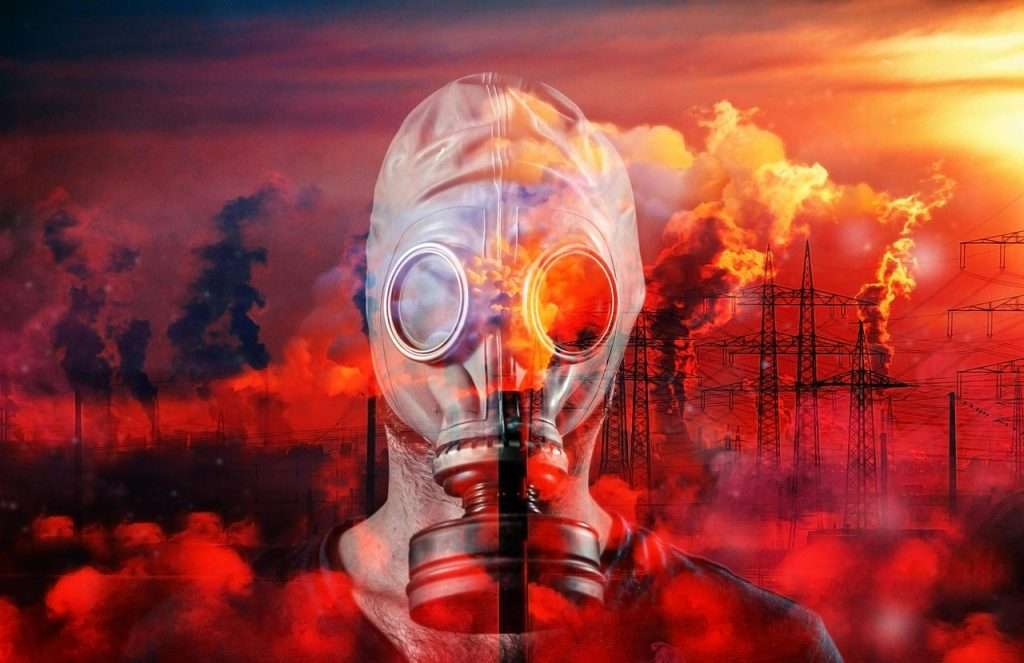
Climate change has been affecting people in far-reaching ways. It’s vital we discuss various types of climate change that may have different effects. This involves government leaders coming together to create policies aimed at curbing emissions worldwide while also taking steps towards mitigating the damage caused by climate change at home including investing heavily in clean energy sources. With proactive measures like these, we can hope to work towards reversing – or if not reversing – at least slowing down the effects of climate change before it’s too late.
What are the Consequences of Climate Change on the Environment?
Climate change is an issue that cannot be ignored any longer. It has significant impacts and consequences around the world. Rising temperatures, changing precipitation patterns, and more frequent extreme weather events are just a few examples of how climate change is affecting our planet. These impacts affect food production and the spread of diseases throughout the world. Migration has also increased due to climate change as more people leave their homes due to extreme conditions caused by it. Here are some of the impacts and consequences of climate change around the world:
Define Environmental law. What are the major sources of environmental law?
Rising sea levels
Over the past century, sea levels have risen by an average of 8 inches (20 cm), and are projected to continue rising by 1-4 feet (0.3-1.2 meters) by the end of the century. This is due to the melting of glaciers and ice caps, as well as the thermal expansion of seawater. Rising sea levels are causing flooding, erosion, and loss of coastal habitats, and threaten the livelihoods of millions of people who live in low-lying areas.
Extreme weather events
Climate change is increasing the frequency and intensity of many extreme weather events. On one hand, too much rainfall can result in devastating floods that put lives at stake. On the other hand, regions experiencing drought face water shortages and food crises. Heatwaves have become more frequent and longer-lasting, and droughts are becoming more severe in many regions. In addition, warmer oceans are fueling more powerful hurricanes and typhoons.
Agricultural impacts
Climate change is already affecting agricultural production in many regions. For example, in some parts of Africa, crop yields are projected to decline by up to 50% by 2020 due to climate change. In addition, changes in temperature and precipitation patterns can lead to the spread of pests and diseases, and reduce the availability of water for irrigation.
Impacts on wildlife
Climate change is causing shifts in the habitats and ranges of many plant and animal species. For example, coral reefs are being bleached and dying due to rising ocean temperatures and acidity, and polar bears are struggling to find food due to the melting of Arctic Sea ice. These shifts can lead to extinctions and loss of biodiversity and have ripple effects throughout ecosystems.
Health impacts
Climate change is already impacting health in a myriad of ways, including by leading to death and illness from increasingly frequent extreme weather events, such as heatwaves, storms, and floods, the disruption of food systems, increases in zoonoses and food-, water- and vector-borne diseases, and mental health issues.
Economic impacts
Climate change is causing significant economic impacts around the world. For example, in the United States alone, the costs of hurricanes, wildfires, and other extreme weather events totaled over $300 billion in 2017. In addition, climate change is expected to reduce global GDP by 1–4% by 2100, and disproportionately affect developing countries.
Read the consequences in details here at: What is Climate change and how does it affect us?
These consequences are not limited to a single country or region but are being felt around the world. It is essential that we take action to mitigate the effects of climate change, reduce our greenhouse gas emissions, and adapt to the changes that are already happening. This requires cooperation and collaboration on a global scale, as well as individual actions at the local level.


