The Sustainable Development Goals (SDGs) are a set of 17 global objectives that were endorsed by the United Nations in 2015 as a component of the 2030 Agenda for Sustainable Development. These objectives seek to eradicate poverty, safeguard the environment, and guarantee that everyone lives in peace and prosperity. They include a wide range of topics, such as energy, economic development, gender equality, water and sanitation, poverty, hunger, and health.
“Development that fulfills the demands of the present without compromising the ability of future generations to meet their own needs” is the definition of sustainable development. The SDGs are made to reflect this concept and guarantee that economic development and growth be accomplished in a way that is fair, inclusive, and environmentally responsible.
The Sustainable Development Goals are also designed to be interconnected and indivisible, which means that advancement in one area will encourage advancement in others. For instance, investing in clean energy can assist to protect the environment, while investing in education and gender equality can help to eliminate poverty.
The Sustainable Development Goals are also intended to be universal, which means that they apply to all nations regardless of how developed their economies are. This is crucial because every nation must play a part in achieving sustainable development and will benefit from a more just and sustainable world economy.
Read সহস্রাব্দ উন্নয়ন লক্ষ্যমাত্রা ও অর্জন
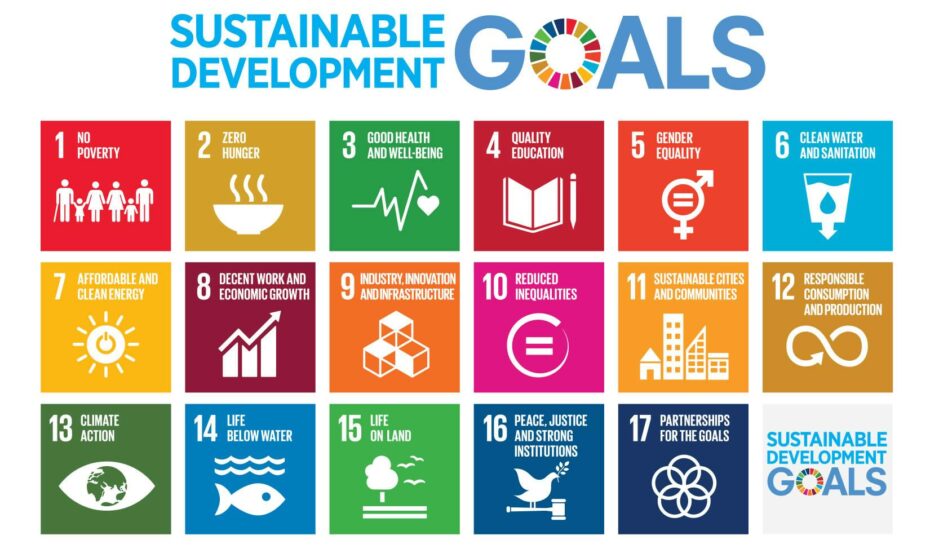
What are the Sustainable Development Goals?
The Sustainable Development Goals (SDGs) is a collection of universal objectives that apply to all nations and address a variety of concerns, such as poverty, hunger, health, education, gender equality, access to clean water and sanitation, energy, economic development, and climate change. Below is a quick summary of each of the 17 Sustainable Development Goals:
The Sustainable Development Goals also include goals for certain areas, such as eliminating inequality, fostering inclusive and peaceful societies, and acting swiftly to address climate change and its effects.
Do we need these?
The Sustainable Development Goals (SDGs) are a set of 17 global goals adopted by the United Nations in 2015 as part of the 2030 Agenda for Sustainable Development. These goals aim to end poverty, protect the planet, and ensure that all people enjoy peace and prosperity.
The Sustainable Development Goals are important for several reasons:
- They offer a shared framework for solving the most important development concerns in the world: The SDGs address a wide range of concerns, including energy, economic development, gender equality, water and sanitation, poverty, hunger, health, and the environment. The SDGs aid in ensuring that all parties, including governments, civil society, the private sector, and individuals, are working toward a single objective by offering a common framework for resolving these concerns.
- They are inclusive and universal: No matter a nation’s degree of economic development, the SDGs apply to all people and all nations. This implies that everyone is expected to contribute to achieving the SDGs and that nobody will be left behind.
- They are interrelated: The SDGs are interdependent and interconnected, which means that advancement in one area can spur advancement in other areas. For instance, expanding educational opportunities can aid in reducing poverty and improving health outcomes, while environmental protection can aid in fostering economic development.
- The SDGs are ambitious and have high expectations for what can be accomplished. This ensures that efforts are being made to move the globe toward a future that is both sustainable and equitable.
- The SDGs are a call to action for all stakeholders to collaborate in order to realize a sustainable future. They help to ensure that everyone is working towards a common objective by providing a roadmap for what needs to be done, a way to gauge progress, and a way to measure success.
The Sustainable Development Goals are a comprehensive collection of global objectives that seek to eradicate poverty, safeguard the environment, and guarantee that everyone lives in peace and prosperity. They embody the idea that economic development and growth must be accomplished in a way that is fair, inclusive, and environmentally sustainable. They are created to be integrated, indivisible, and universal.
The Sustainable Development Goals are crucial because they offer a vision for a future that is both sustainable and egalitarian, and they make sure that all stakeholders are working toward that vision. They are a crucial tool for addressing the most urgent development concerns facing the globe today and they support the idea that nobody should be left behind.