
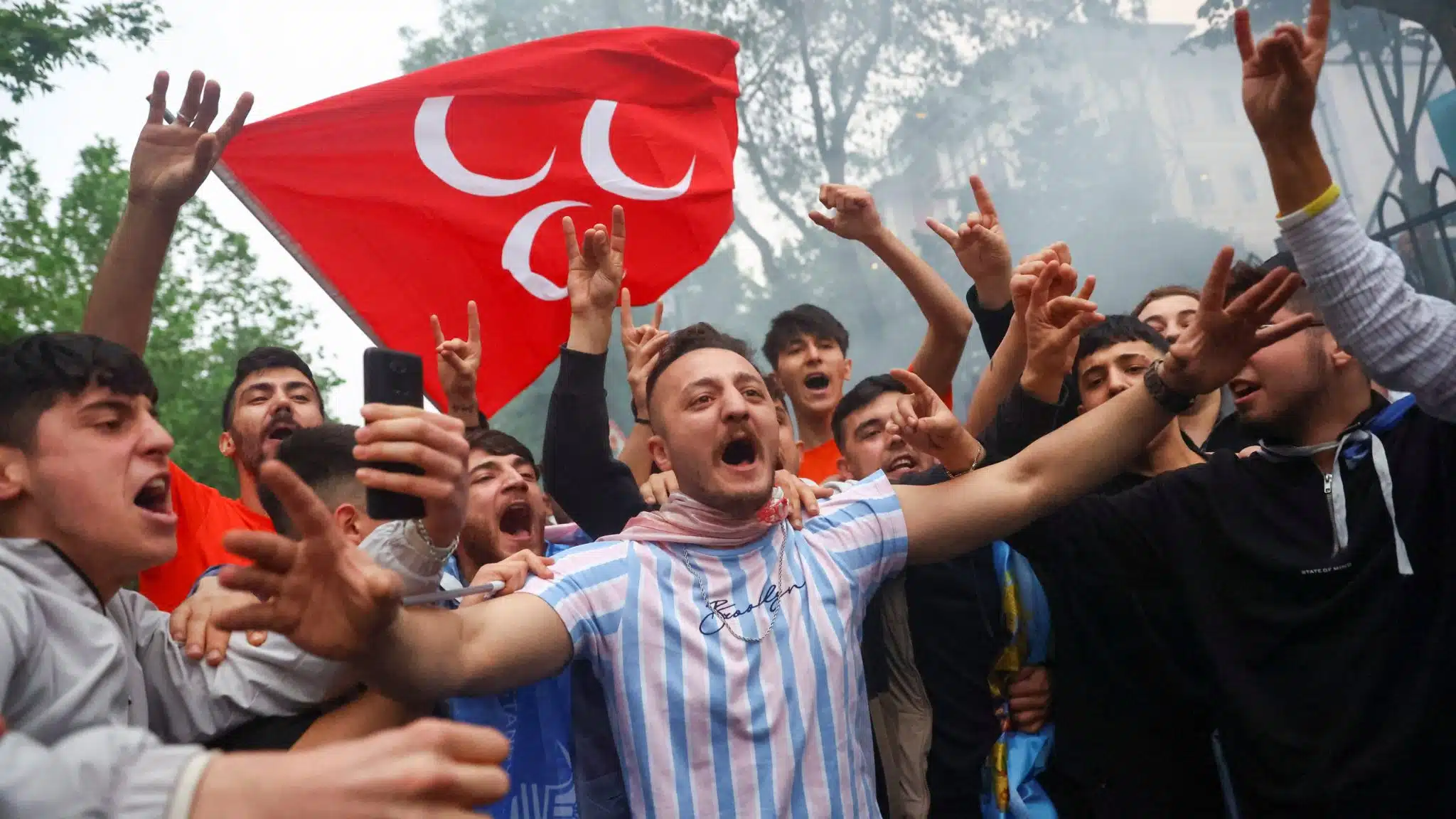
On May 28, 2023, Turkish President Recep Tayyip Erdogan triumphed in a historic presidential runoff against joint opposition candidate Kemal Kılıçdaroğlu, securing 52.18% of the vote and extending his tenure through 2028. Entering his third decade in power as the Republic of Turkiye marks its centenary, Erdogan’s victory represents a watershed moment for the Eurasian powerhouse and the wider Islamic world.
The outcome has polarized international observers: while staunch partisans celebrate the result as a testament to political stability, sovereign defense autonomy, and religious empowerment, Western critics and domestic opposition forces warn that unchecked executive consolidation threatens the foundations of Turkish constitutional democracy.
Beyond party rhetoric and television hyperbole lies the harsh calculus of South Asian geopolitics: why regime change in Kolkata exposes the collapse of regional buffer zones and strips the veneer from Delhi’s structural dominance over Bangladesh.
The 2023 Electoral Battleground: Anatomy of the Runoff
The election represented the fiercest challenge to the Justice and Development Party (AKP) since 2002. Facing soaring annual inflation exceeding 80% and the catastrophic aftermath of the February 2023 earthquakes in southeastern Anatolia, six opposition parties coalesced into the "Table of Six" behind Republican People’s Party (CHP) leader Kemal Kılıçdaroğlu.
In the initial round on May 14, Erdogan secured 49.52% of the vote, narrowly missing an absolute majority, while Kılıçdaroğlu captured 44.88%. The pivotal endorsement of third-party nationalist candidate Sinan Oğan in the runoff solidified Erdogan’s populist coalition:
Publish Your Research & Critical Analysis on MaroonPaper
Contribute in-depth essays on law, political philosophy, economics, and geopolitics to an intellectual readership.
| Candidate | Party / Coalition | Runoff Vote Share |
|---|---|---|
| Recep Tayyip Erdogan | People's Alliance (AKP / MHP) | 52.18% |
| Kemal Kılıçdaroğlu | Nation Alliance (CHP / İYİ Party) | 47.82% |
| National Voter Turnout | 85.72% | |
The Case for Stability: Sovereignty, Defense, and Infrastructure
Supporters advance three core arguments demonstrating why Erdogan’s continuity anchors sovereign stability:
- Generational Infrastructure and Industrial Transformation: Over two decades, per capita income nearly tripled from $3,500 to over $10,000. AKP rule delivered mega-infrastructure projects—including the Istanbul Airport, the Marmaray undersea rail tunnel, high-speed rail networks, and modern hospitals—lifting millions of Anatolian conservatives into the middle class.
- Indigenous Defense and Counter-Terrorism: Erdogan revolutionized the domestic defense industry, reducing foreign arms dependency from 80% to under 20%. Armed Bayraktar TB2 and Akinci unmanned aerial combat vehicles shifted military dynamics in Azerbaijan, Libya, and Ukraine, while aggressive border incursions constrained the PKK and ISIS networks in northern Iraq and Syria.
- Resilience Against External Imperial Pressures: Erdogan’s core constituency views him as an unyielding defender of national sovereignty against Western interference, international financial institutions, and secularist military tutelage.

Erdogan's Re-Election: Unveiling the Multi-Faceted Impact on Turkiye's Future
Just two years after its triumph against Myanmar, Bangladesh secured another landmark verdict in the Bay of Bengal. An analytical deconstruction of the 2014 PCA arbitration in The Hague, equidistance vs. equity, South Talpatti Island, and the Blue Economy.
The Democratic Deficit: Authoritarian Consolidation and Institutional Atrophy
Conversely, democratic theorists, legal jurists, and opposition figures present severe critiques regarding the degradation of republican checks and balances:
- Hyper-Presidentialism: The 2017 constitutional amendments abolished the parliamentary office of Prime Minister, concentrating vast decree powers, cabinet appointments, and budgetary authority within the presidential palace.
- Judicial Weaponization and Purges: Following the abortive July 2016 military coup, state decrees purged tens of thousands of civil servants, academics, and jurists. Politically motivated prosecutions sidelined formidable opponents—notably the imprisonment of pro-Kurdish leader Selahattin Demirtaş and judicial proceedings against Istanbul Mayor Ekrem İmamoğlu.
- Media Monopolization: Pro-government business conglomerates control approximately 90% of Turkish mainstream television and print media, severely restricting equitable campaign coverage for opposition candidates.
- Monetary Volatility: Erdogan’s prolonged resistance to conventional interest rate increases crippled the Turkish lira and eroded household purchasing power across major metropolitan centers.
Strategic Crossroads: Turkiye in the Multipolar Era
The geopolitical trajectory of post-election Turkiye reflects a deliberate doctrine of strategic multi-alignment. As an indispensable eastern flank of NATO, Ankara will continue balancing transactional cooperation with Washington against strategic energy, trade, and defense cooperation with Moscow and Beijing.
Erdogan’s historic mandate cements his legacy alongside Atatürk as a monumental architect of modern Turkish statehood. Yet the endurance of the Turkish Republic's second century will ultimately depend on whether this formidable executive authority can restore macroeconomic equilibrium while creating civic space for an increasingly fragmented and diverse society.