The Context of the 1970 Election
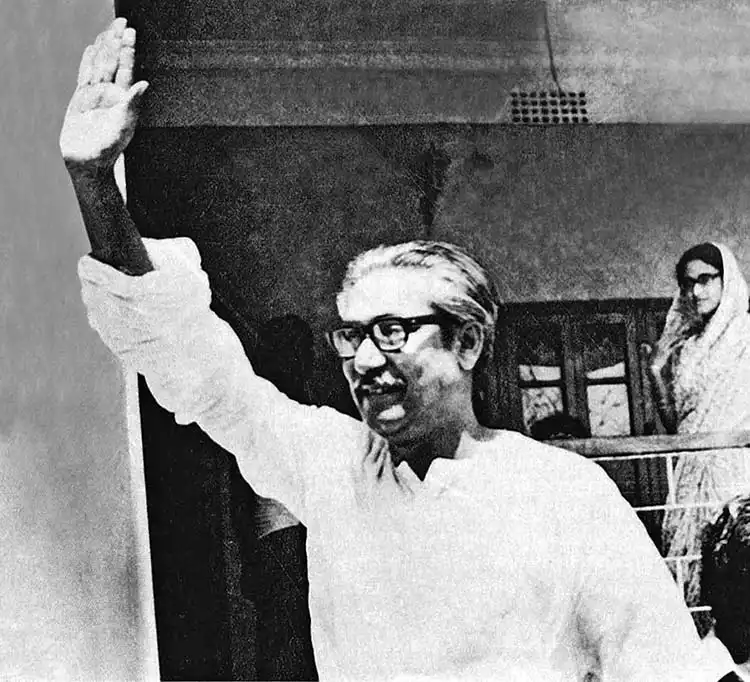
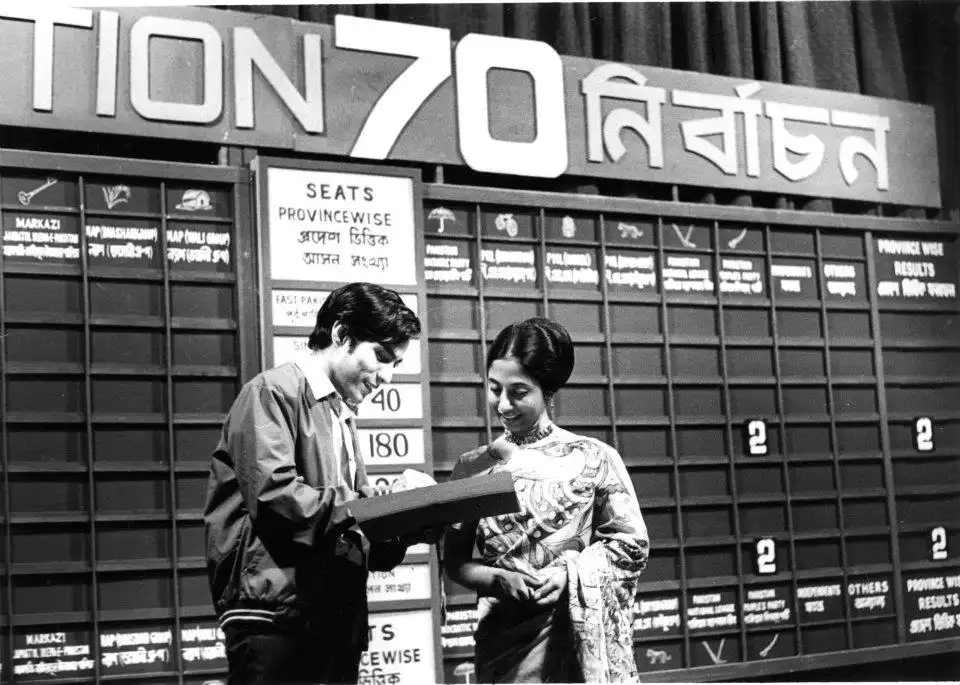
The 1970 general election was a pivotal advancement in the struggle for self-determination for the people of East Pakistan (modern-day Bangladesh). The primary issue anchoring the campaign was the 'Six-Point Movement', a platform crafted to secure the autonomy and economic emancipation of the Bengali nation. Following the mass uprisings of March 1969, which forced Ayub Khan from power, General Yahya Khan assumed control, imposed martial law, and set a date for national assembly elections. G.W. Chowdhury, an advisor to Yahya at the time, suggested that the President was sincere in his intent to conduct free elections and facilitate a smooth transition of power. The Awami League officially launched its campaign on June 7, 1970. Sheikh Mujibur Rahman played an instrumental role in the campaign, emphasizing localized grievances alongside the broader Six-Point program. "If we fail to respond to the call of the hour," Mujib warned, "the next generation will hold us accountable." Yet, despite his overwhelming popularity, he remained characteristically modest, stating in an interview that he could not view himself as a representative of the people until he had secured their mandate at the ballot box.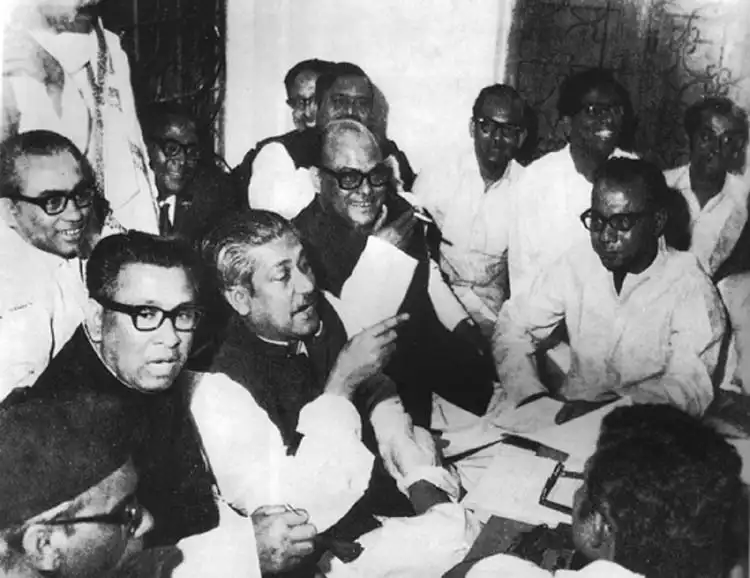
The Results of the 1970 General Election
In East Pakistan, the election was delayed until December due to catastrophic flooding. On December 7, 1970, the nation went to the polls. The country was divided, with East Pakistan functioning as a single province and West Pakistan as four. The Awami League was the only party to field candidates in every constituency of East Pakistan. Under the leadership of Sheikh Mujibur Rahman, the Awami League achieved an absolute majority, winning 162 out of 169 seats in the East. In contrast, Zulfikar Ali Bhutto’s Pakistan People's Party (PPP) contested 120 seats and secured 81 in West Pakistan.