
The Context of the Marshall Plan
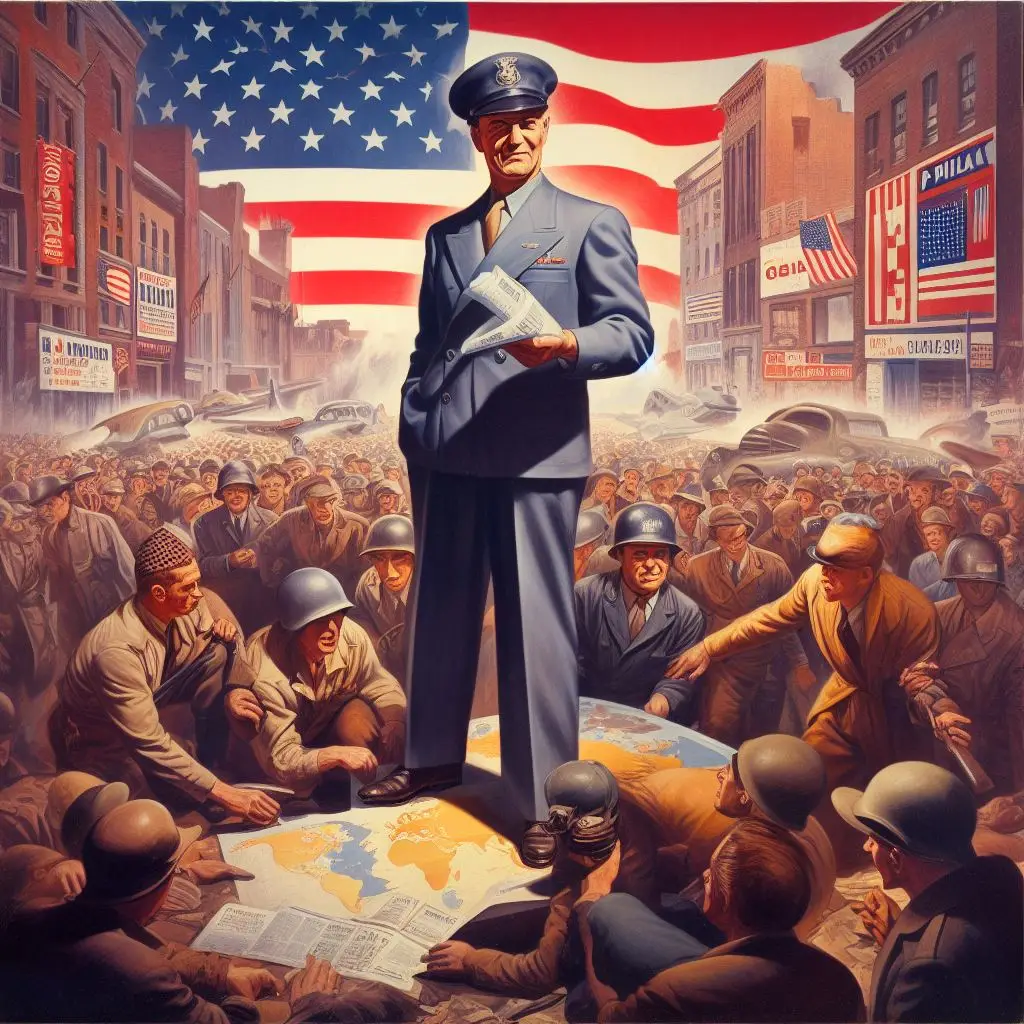
Following the war, Europe was gripped by an unprecedented economic and political paralysis. From Britain to France, industrial output cratered, infrastructure disintegrated, and mass unemployment plunged the populace into profound misery. The harrowing winter of 1946–47 brought coal production to a virtual standstill; by February 1947, nearly half of Britain’s factories were shuttered. Amidst this volatility, political instability surged, providing fertile ground for the rise of communist movements. In this new era, the United States stood as the sole dominant power, extending its Imperialist foreign policy to every corner of the globe. Europe, however, remained a critical region for American national security and economic interests, serving as the core of the Western capitalist bloc that Washington was determined to safeguard. The collapse of Europe represented a direct threat to American interests. Economic stagnation was not merely a commercial concern; it created a vacuum that invited the spread of communist ideology—a development that would have rendered the region lost to the American sphere of influence. Consequently, Secretary of State George C. Marshall, in a seminal address at Harvard University, unveiled a plan grounded in the fusion of American military, political, and economic imperatives.What was the Marshall Plan?
The Marshall Plan, officially titled the European Recovery Program (ERP), was an ambitious financial initiative designed to catalyze the reconstruction of post-war Europe. On June 5, 1947, Secretary George C. Marshall at Harvard University declared this new vision for European restoration.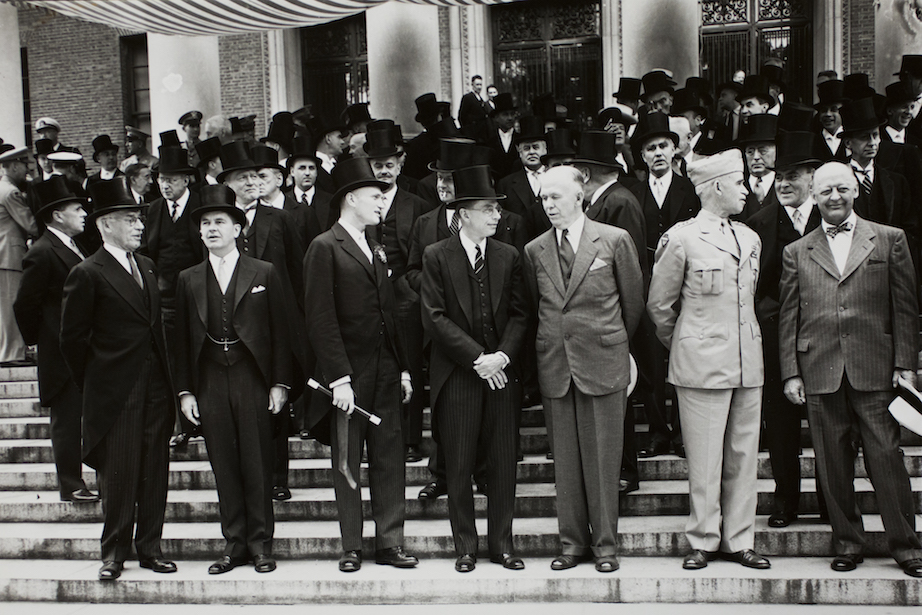
Implementation
To manage the distribution of aid, the United States facilitated the creation of the Organisation for European Economic Co-operation (OEEC). The U.S. Congress passed the Economic Cooperation Act in 1948, authorizing the multi-billion dollar package. Of this, roughly 26% went to Britain, followed by significant portions to France, Italy, and West Germany. In total, 16 nations participated, including Austria, Belgium, Denmark, Greece, Iceland, Ireland, Luxembourg, the Netherlands, Norway, Portugal, Sweden, Turkey, and others.The Soviet Reaction
The Soviet Union correctly interpreted the Marshall Plan as the economic extension of the Truman Doctrine—an instrument of American imperialist encroachment. Moscow forbade its satellite states from participating, forcing Poland, Czechoslovakia, Hungary, Romania, and East Germany to withdraw. In response, the USSR formed the Council for Mutual Economic Assistance (COMECON) in 1949 and later established the Warsaw Pact in 1955 to counter the NATO military alliance.Impact and Consequences
The Marshall Plan’s legacy is profound, influencing the economic, political, and cultural trajectory of the West: * **Economic:** Productivity in Western Europe doubled between 1947 and 1952. By fostering trade liberalization—often through the General Agreement on Tariffs and Trade (GATT)—the plan stimulated a 60% growth in intra-European commerce. * **Political:** By mandating economic integration, the plan laid the groundwork for the European Economic Community (EEC) in 1957, the precursor to the modern European Union. Simultaneously, it deepened the Cold War divide.What is the Cold War? Origins, Development, and Current State
* **Cultural:** The initiative precipitated an "Americanization" of Western Europe, as U.S. goods, media, and consumer culture became pervasive, alongside a nascent pan-European identity facilitated by regional cooperation.What is cultural aggression? How does it threaten world cultural diversity?