
The Roots of the Israeli-Palestinian Conflict
The provenance of the Israel-Palestine conflict is deep-seated. The 1917 Balfour Declaration, followed by the surge in Jewish immigration during the British Mandate, laid the foundation for the current strife. Despite fervent opposition from Palestinian Arabs to the United Nations' 1947 partition plan, the state of Israel was proclaimed in 1948. This triggered the mass displacement of hundreds of thousands of Palestinians—an event etched into historical memory as the *Nakba*. Since its inception, the Palestinian people have fought for sovereignty, land, and fundamental rights. In the intervening decades, the escalation of Israeli occupation, the proliferation of settlements, and the 1967 annexation of the West Bank and Gaza Strip have rendered the conflict increasingly labyrinthine. The 2006 Palestinian parliamentary elections resulted in a sweeping victory for Hamas, shocking both the international community and Israel. A subsequent power struggle between Fatah and Hamas culminated in Hamas assuming full control of Gaza in 2007. Since that year, the administrative shift has intensified the friction, as Gaza has effectively functioned under a rigorous Israeli blockade. Under Hamas, Gaza has faced relentless strangulation. The siege has fostered a humanitarian crisis defined by economic collapse, acute shortages of fuel and food, and systemic underdevelopment. Concurrently, Hamas has maintained a militant stance against Israel, utilizing rocket barrages and subterranean warfare as central tenets of its resistance.October 7, 2023
On October 7, 2023, Hamas launched a multi-pronged assault, accompanying massive rocket barrages with ground incursions into border regions. Approximately 1,200 Israelis were killed, and hundreds were taken hostage. Hamas framed this as a retaliatory action against Israeli repression, though it is far from an isolated incident; the attack occurred within a well-documented trajectory of tension.Hamas: Fighting on the Frontlines for Palestinian Freedom
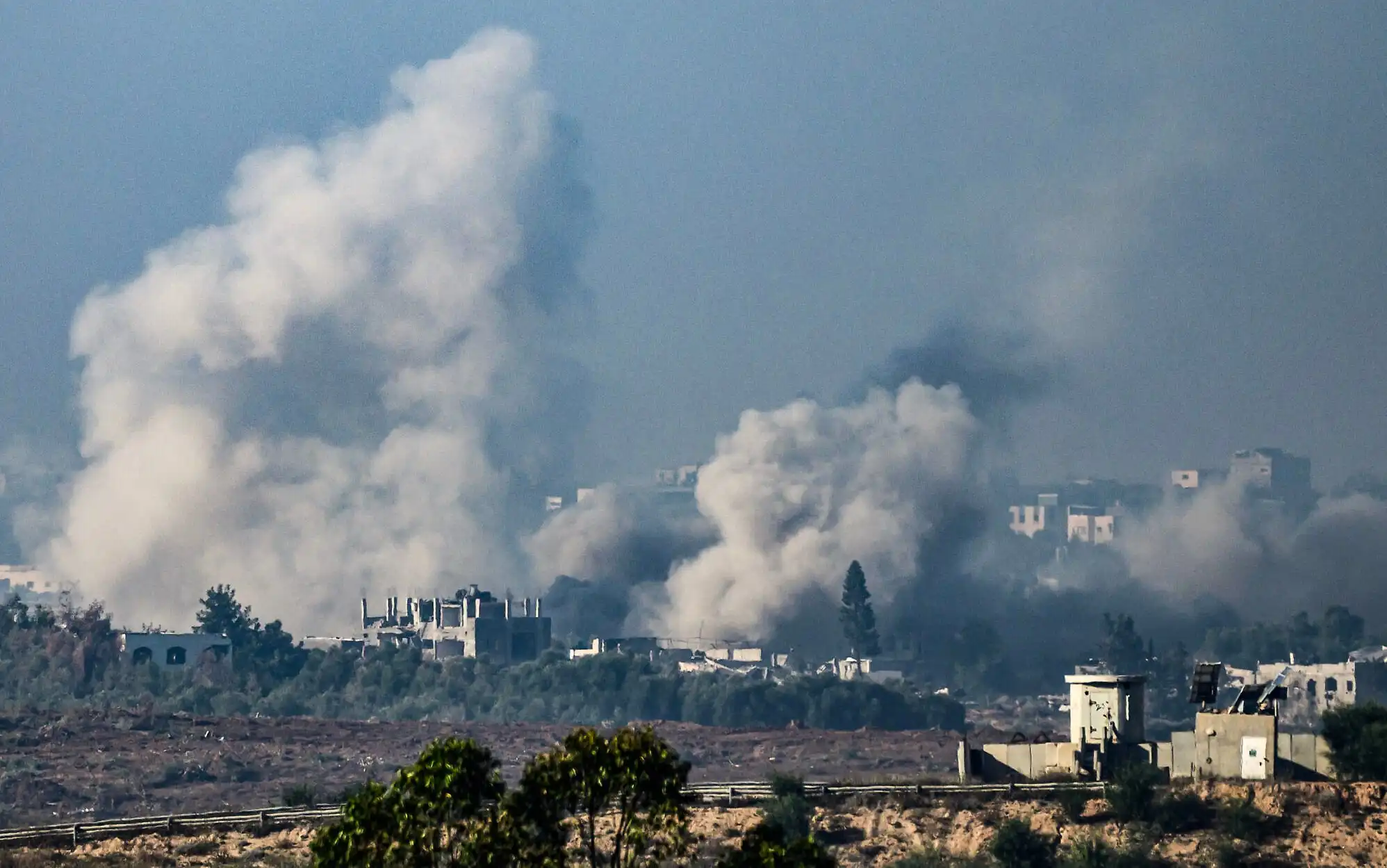
From its very founding, Israel has frequently bypassed international law and human rights standards. Ignoring successive UN resolutions and international tribunal rulings, the Israeli government has persisted in expanding illegal settlements and engaging in actions that critics characterize as egregious human rights violations. For years, the containment of Palestinians in what has been termed an "open-air prison"—marked by frequent abductions, arbitrary detentions, and extrajudicial violence—fueled deep-seated resentment in Gaza. Tensions reached a boiling point in mid-2023, months before the October 7 assault, following repeated incursions by Israeli forces at the Al-Aqsa Mosque compound. In this context, the Palestinian public has largely turned to Hamas, which remains the only political entity effectively challenging the status quo. Israel’s cycle of violence has, in a tragic irony, served as a catalyst for Hamas’s recruitment; each civilian casualty—parent, child, or sibling—often deepens the resolve of the next generation of resistance. Since October 7, 2023, the scale of destruction has been unprecedented. Following the Hamas offensive, Israel launched a massive aerial and ground campaign. According to data from January 15, these strikes have resulted in 46,707 Palestinian deaths, with over 109,660 injured and 11,160 reported missing. In the West Bank, 852 people have been killed, including 175 children, with 6,700 injuries reported. According to UNICEF, at least 14,500 children have been killed, thousands more maimed, 17,000 are unaccompanied or separated from their families, and nearly 2 million have been displaced. Israeli airstrikes have systematically leveled hospitals, schools, and refugee camps. While most Western nations have maintained support for Israel, a significant coalition of Muslim nations and human rights organizations has decried these actions as catastrophic.The Israel-Hamas Ceasefire
Discussions regarding a cessation of hostilities have been ongoing since the war began. Following initial UN, European Union, and humanitarian appeals, progress was consistently derailed by a profound deficit of trust between the warring parties. Several nations have acted as mediators, with Qatar, Egypt, and Turkey playing pivotal roles. Egypt brokered a new round of negotiations in February 2025; however, the primary impasse remained the complex logistics of prisoner exchanges and the framework for post-war reconstruction. The United States also sought to shape the agreement, though its perceived bias toward Israel has consistently clouded its legitimacy as a neutral broker. By early 2025, the unchecked carnage in Gaza finally forced both sides to the table. On January 15, in Doha, a ceasefire agreement was finalized under the direct supervision of Qatar and in the presence of UN delegates.The Gaza Ceasefire Deal: A Historic Understanding Between Israel and Hamas
The agreement is structured in three phases: an initial six-week ceasefire paired with prisoner exchanges and humanitarian aid, a second phase dedicated to negotiations for a permanent cessation of hostilities, and a final phase focused on long-term reconstruction. The agreement is set to take effect on January 19.Future Challenges: Obstacles to Enduring Peace
The intractable nature of the Israeli-Palestinian conflict traces back to 1948, when the loss of land and rights for Palestinians established a cycle of political instability that remains the primary barrier to peace today. The subsequent entrenchment of occupation and the political-military ascent of Hamas have compounded the tragedy. The existential issue of Palestinian statehood and the desperate reality of Gaza have moved to the center of global political discourse. The expansion of illegal settlements has only served to exacerbate tensions further.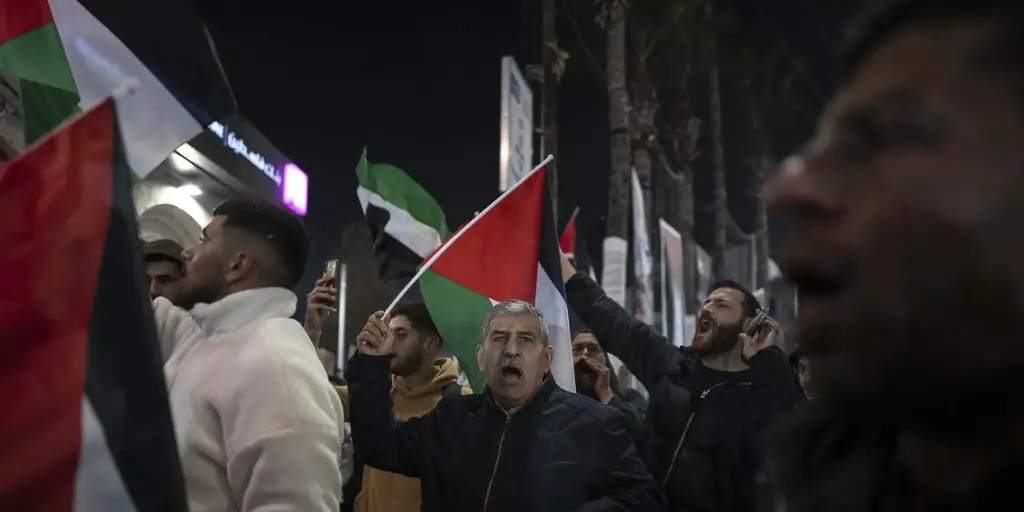 While past mediation attempts by Egypt, Qatar, and Turkey were frequently thwarted by Israeli security demands and Hamas’s prisoner exchange requirements, the internal fracture within Israel has added a new layer of instability. The coalition government led by Benjamin Netanyahu is riddled with discord. Netanyahu’s hardline policies reflect a far-right Zionist agenda that leaves little room for Palestinian sovereignty. Under his tenure, settlement expansion in the West Bank has accelerated, a blatant contravention of international law.
The United States, Israel's primary patron, remains a critical actor. By providing massive military, financial, and diplomatic support—including annual billions in military aid and the consistent use of the veto in the UN Security Council—Washington has effectively shielded Israel from international accountability, thereby complicating any genuine peace process.
Who is Providing Arms to Israel for the Genocide in Gaza?
Although the first phase of the recent ceasefire has commenced, profound challenges remain. The questions of Gaza’s reconstruction, its future governance, and the ultimate end of the occupation are largely unanswered. Israel’s stated goal—the eradication of Hamas—remains elusive. In the words of the outgoing U.S. Secretary of State, "We have realized that for every member Hamas has lost, they have gained nearly as many new recruits. I think everyone can see that the destructive force Israel has exerted has not brought Hamas any closer to being removed from power, nor has it brought Israel closer to true security." Whether this admission signals a true policy failure or merely a precursor to future aggression remains to be seen. Sustainable peace necessitates a coordinated international effort. Israel must comply with UN resolutions to withdraw from occupied territories. A sovereign Palestinian state, based on 1967 borders with East Jerusalem as its capital, is an essential prerequisite. Furthermore, the allegations of human rights abuses must be addressed by the International Criminal Court. The stability of the Middle East hinges on the efficacy of this agreement. Regional powers like Iran, Qatar, and Turkey hold significant leverage, but without international consensus and a commitment to justice, the path remains precarious. The current ceasefire brings a temporary respite to the people of Gaza, but whether it signals a lasting peace or merely a pause in the tragedy remains a question for history to answer.