South Africa’s Legal Challenge Against Israel at the International Court of Justice
Rakibul Islam
•January 18, 2024•7 min read
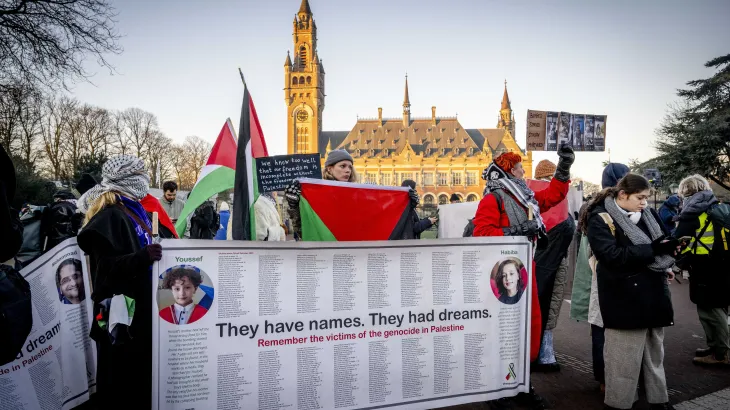
In a momentous display of geopolitical assertiveness, South Africa formally initiated proceedings against Israel before the International Court of Justice—the principal judicial organ of the United Nations—on December 29, marking a profound development in the landscape of international jurisprudence.
On December 29, South Africa took a bold and consequential step by initiating proceedings against Israel at the International Court of Justice (ICJ). In its application, South Africa accuses Israel of committing genocide, violating human rights, and breaching international law in the wake of the October 7 Hamas attack. The filing alleges that Israel’s military campaign has resulted in the systematic, widespread killing of Palestinian civilians, the infliction of serious injury, forced displacement, the wholesale destruction of infrastructure and housing, and the effective obstruction of conditions necessary for survival. This article examines the core dimensions of South Africa’s legal challenge.
What Is the Basis of South Africa’s Case Against Israel?
The case is fundamentally anchored in the 1948 Genocide Convention, which defines genocide as acts committed with the “intent to destroy, in whole or in part, a national, ethnical, racial or religious group.” South Africa contends that Israel’s actions in the Gaza Strip are genocidal in character, designed to annihilate a significant portion of the Palestinian population. Pending a final judgment, South Africa has requested that the ICJ issue provisional measures, calling upon Israel to immediately suspend all military operations that may violate the Genocide Convention. Furthermore, the petition asks the Court to compel Israel to cease the killing and serious wounding of Palestinians, to prevent incitement to genocide, and to rescind policies that restrict humanitarian aid or mandate mass evacuations.
The International Court of Justice and Its Mandate
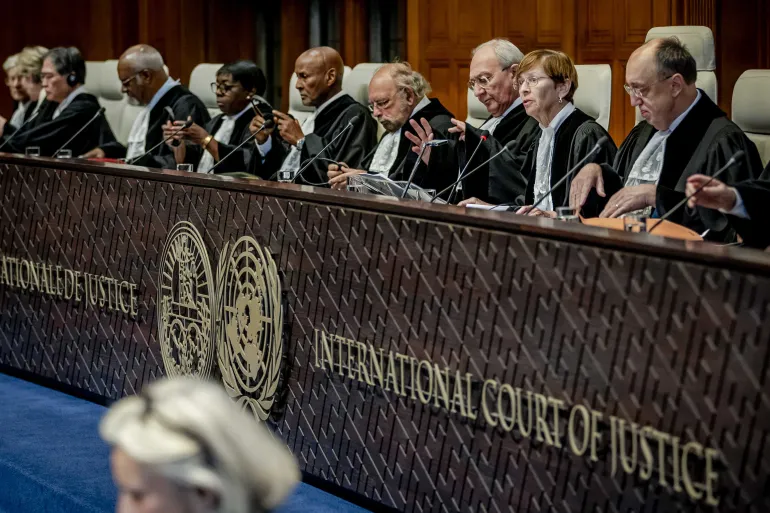
South Africa's case against Israel at the International Court of Justice
Based in The Hague, the ICJ is composed of 15 judges elected by the UN General Assembly and the Security Council for nine-year terms. The Court is tasked with settling legal disputes between UN member states and providing advisory opinions on legal questions referred by authorized UN bodies. While the ICJ’s judgments are binding and final, it possesses no independent enforcement mechanism. States may accept the Court’s compulsory jurisdiction, allowing them to bring disputes against other states that recognize the same obligations.
What Are the Specific Allegations in the Application?
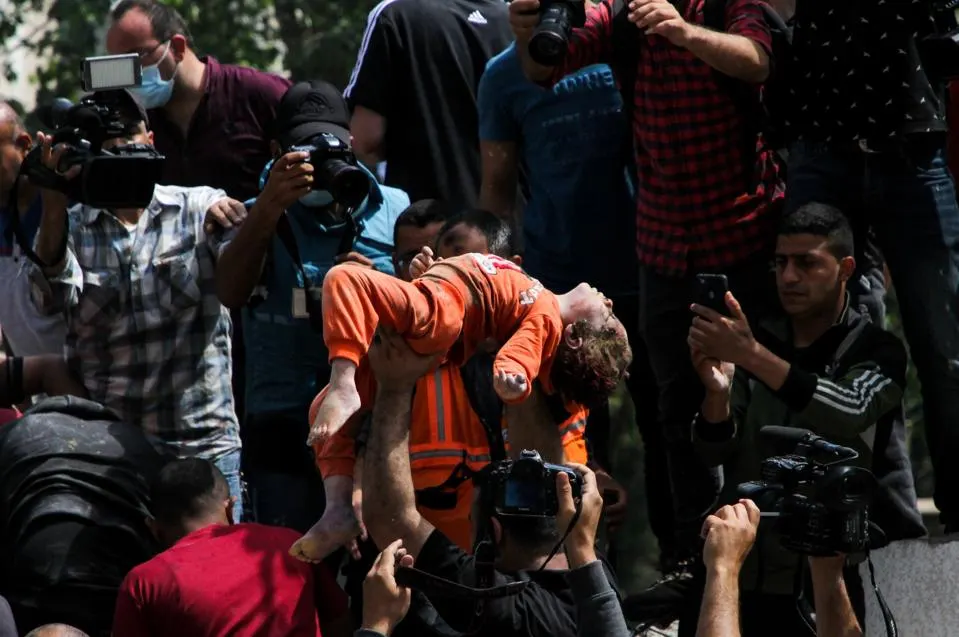
A Palestinian man holds a child rescued from the rubble of a home destroyed by an Israeli airstrike on Al-Wahda Street in Gaza City.
The 84-page document argues that the nature of Israel’s campaign is genocidal, aimed at the destruction of a significant part of the Palestinian population in Gaza. South Africa seeks several legally binding declarations from the Court, including:
A declaration that Israel has committed acts of genocide and has violated its obligations under the 1948 “Convention on the Prevention and Punishment of the Crime of Genocide.”
Orders for an immediate cessation of military operations, the lifting of the blockade, and unhindered access for humanitarian aid.
An order for Israel to provide reparations to South Africa and other affected states for the damages incurred.
An order for Israel to cooperate with any investigations by the International Criminal Court (ICC) or other relevant bodies.
Israel’s Response
While Israel has yet to provide a formal, exhaustive response to the ICJ proceedings, it has categorically rejected the allegations as baseless and politically motivated. Israel maintains that it has acted in self-defense against a terrorist organization, citing Hamas’s indiscriminate rocket fire, and asserts that its military actions strictly adhere to international law. Israel further claims that it has taken measures to mitigate civilian casualties and facilitate humanitarian aid, despite Hamas’s use of human shields and extensive tunnel networks. Additionally, Israel has questioned the Court’s jurisdiction, noting that it does not recognize the State of Palestine, thereby challenging the premise of the application.
South Africa possesses a historical legacy of opposing apartheid and championing liberation movements globally. Its government has been a vociferous critic of Israeli policies in Gaza, frequently drawing parallels between the current situation and its own experience under the apartheid regime, which dismantled in 1994 after decades of struggle. Furthermore, South Africa has consistently expressed solidarity with Palestinian statehood and recognition at the UN. Pretoria views the case as a vehicle to focus international attention on the plight of Palestinians and to exert pressure for an end to the occupation and the blockade.
The Significance of the Case for International Law and Human Rights
The ICJ proceedings represent a landmark legal effort intended to expose and halt the alleged violations occurring in Gaza. The case highlights the failures of the international community to hold senior Israeli officials accountable for public incitement and the systemic targeting of civilians. However, this is not the only international initiative addressing the crisis; the UN Human Rights Council has previously established independent commissions of inquiry, and the ICC has been investigating potential war crimes on both sides since 2014. Yet, these efforts have historically been hampered by limited access, lack of state cooperation, and enforcement hurdles. By providing a formal legal framework and a platform for interstate dialogue, the ICJ case serves as a critical supplement to these ongoing efforts.
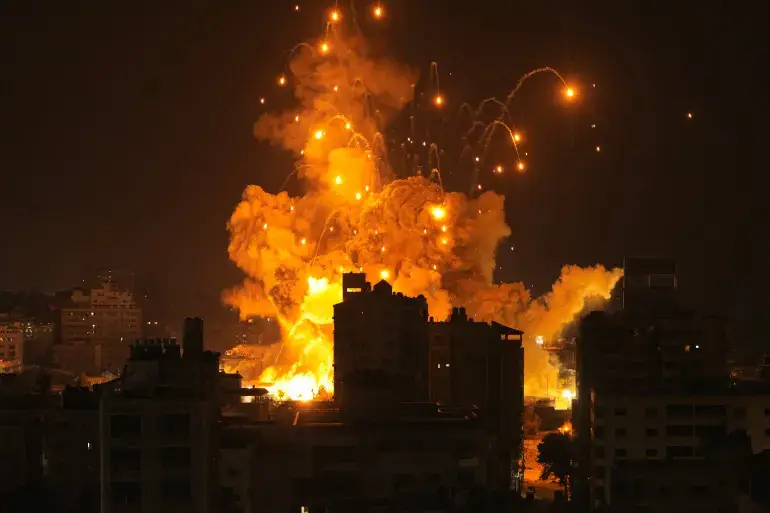
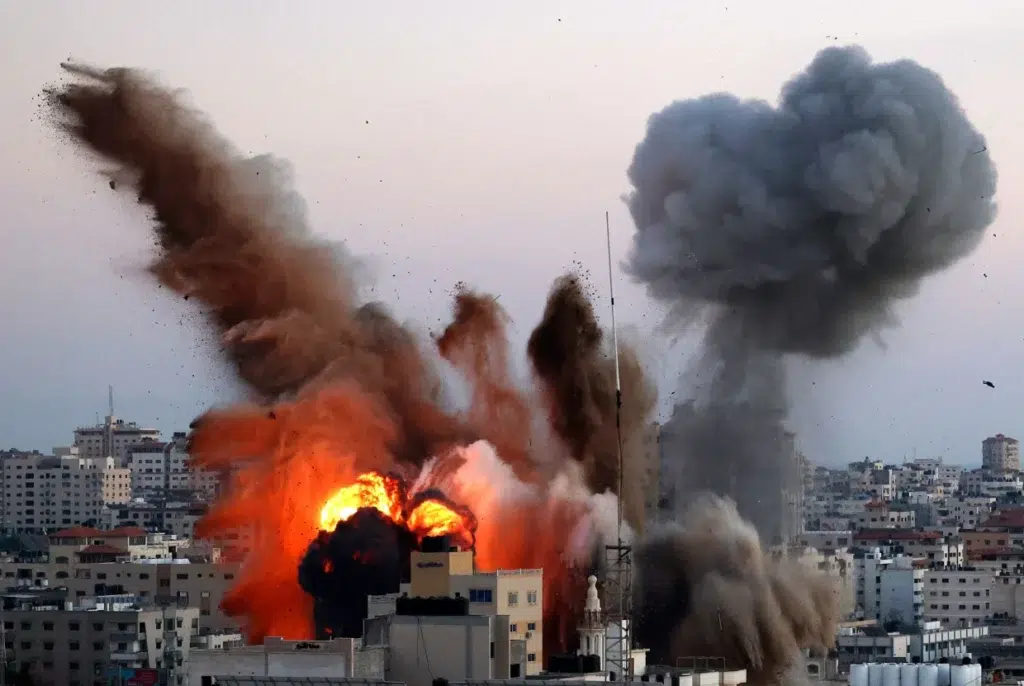
Smoke rises over Gaza City following an Israeli airstrike targeting an Ansar compound linked to Hamas.
While not a criminal trial of an individual, the case seeks to establish state accountability for the crime of genocide. It serves as a vital precedent for the application of the Genocide Convention in the context of armed conflict and occupation. Beyond the immediate geography of Gaza, the case acts as a catalyst for awareness and advocacy regarding human rights and humanitarian law. Moreover, it potentially advances the cause of Palestinian statehood and may eventually contribute to a just and peaceful resolution to the conflict.
The ICJ proceedings are unprecedented for several reasons. First, it is the first instance of a state bringing another state to the ICJ specifically for violating obligations under the 1948 Genocide Convention. Second, it marks the first time the Court has been tasked with adjudicating whether Israel's actions in Gaza constitute genocide. Third, it represents a profound moral statement from a nation that endured systemic racism, acting as a vanguard for the rights of another oppressed people.
The outcome of the case remains uncertain, and a final verdict may take years to manifest. Regardless of the legal ruling, however, the proceedings have already generated significant political and moral gravity. They have forced the international community to reckon with the plight of the Palestinian people and their struggle for justice and dignity. Ultimately, the case underscores South Africa’s commitment to the democratic and humanitarian values it seeks to project onto the global stage, reaffirming the necessity of international law in the pursuit of justice.
Share this intellectual discourse
Help expand constructive dialogues on global affairs, law, and politics.
Rakibul Islam
Author & Contributor, MaroonPaper
Contributing insightful research and analytical essays on law, politics, history, and international affairs for MaroonPaper.