
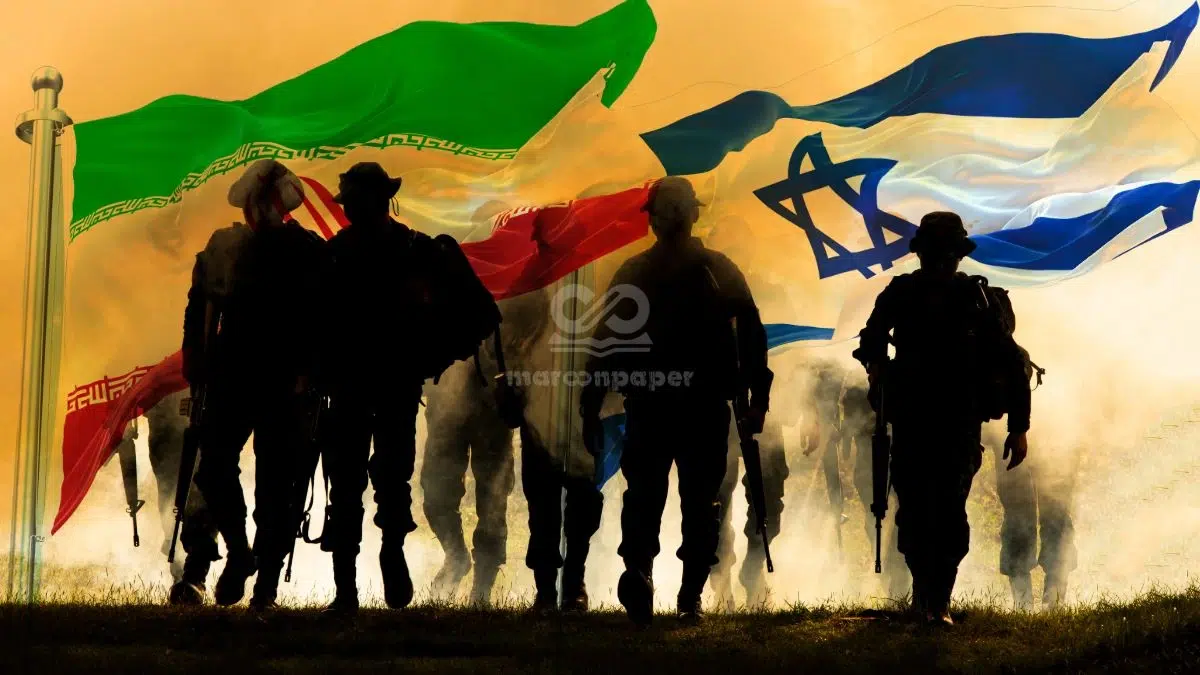
Military Budget and Economic Capacity
The primary metric in assessing military power is the national budget. A defense budget is the fundamental catalyst for research, development, equipment maintenance, and the modernization of force structures. In 2024, Israel allocated a military budget of $24.4 billion, whereas Iran’s military expenditure stood at $10 billion. With Israel’s budget more than double that of Iran, it is better positioned to invest heavily in technological superiority and the continuous modernization of its arsenal.Military Personnel and Reserve Forces
Israel maintains a force of 169,500 active-duty personnel, while Iran boasts 610,000 active troops. This reveals a clear disparity in favor of Iran regarding human capital. Iran demonstrates a capacity for large-scale sustained operations through sheer mass, while Israel relies upon the lethality of its precision technology and specialized elite units.
Tanks and Armored Vehicles
Israel operates 400 tanks, whereas Iran possesses 1,513. Furthermore, in the category of Armored Personnel Carriers (APCs) and Infantry Fighting Vehicles (IFVs), Israel fields 790 units compared to Iran’s 1,250. Iran’s numerical superiority in ground armor provides a significant tactical advantage in traditional land warfare, though Israel’s defense remains potent due to its sophisticated anti-tank and missile-centric warfare doctrines.Artillery and Helicopter Fleets
In terms of artillery, Israel maintains 530 units, while Iran’s arsenal exceeds 6,798. While Iran possesses a staggering quantitative lead here, Israel balances the equation with highly capable attack helicopters (46 vs. Iran’s 50) and high-performance missile systems designed to exert decisive pressure on an adversary.Air Force and Missile Defense
Israel holds a qualitative advantage in aerial combat and integrated missile defense. It operates 340 combat aircraft compared to Iran’s 288. Regarding missile defense, Israel has leveraged superior technology and deep international cooperation to build a multi-layered, highly effective shield.
Submarines and Naval Defense
The disparity in undersea warfare is clear: Israel maintains 5 attack submarines, while Iran operates 1. Although Iran has a greater number of patrol vessels for coastal defense, Israel’s naval assets are significantly more integrated and modernized for deep-sea operations.Satellite Capabilities and Intelligence Gathering
Israel holds a commanding lead in space-based assets. With 8 satellites, Israel has vastly improved its intelligence, surveillance, and reconnaissance (ISR) capabilities. Iran possesses only 2 satellites, indicating a comparatively limited ability to monitor regional developments from orbit.Comparative Table of Military Strength (2024)
| Indicator | Israel | Iran |
| Military Budget (2024) | $24.4 Billion | $10 Billion |
| Active Personnel | 169,500 | 610,000 |
| Tanks | 400 | 1,513 |
| Armored Vehicles (APCs/IFVs) | 790 | 1,250 |
| Artillery | 530 | 6,798+ |
| Attack Helicopters | 46 | 50 |
| Combat Aircraft | 340 | 288 |
| Attack Submarines | 5 | 1 |
| Patrol Vessels | 51 | 70 |
| Satellites | 8 |
2 |
Iran and Israel in the Context of Modern Warfare
The discussion of Iran and Israel’s military power is pivotal, as both nations employ distinct methodologies regarding technology, strategy, and operational scope. Their respective capabilities are defined not just by inventory, but by their strategic posture and the geopolitical weight of their alliances. Israel is widely regarded as a leader in military technology. It utilizes sophisticated systems such as the Iron Dome, an anti-missile shield capable of intercepting incoming projectiles. This system has revolutionized Israel’s defensive doctrine and remains critical to the protection of its civilian population.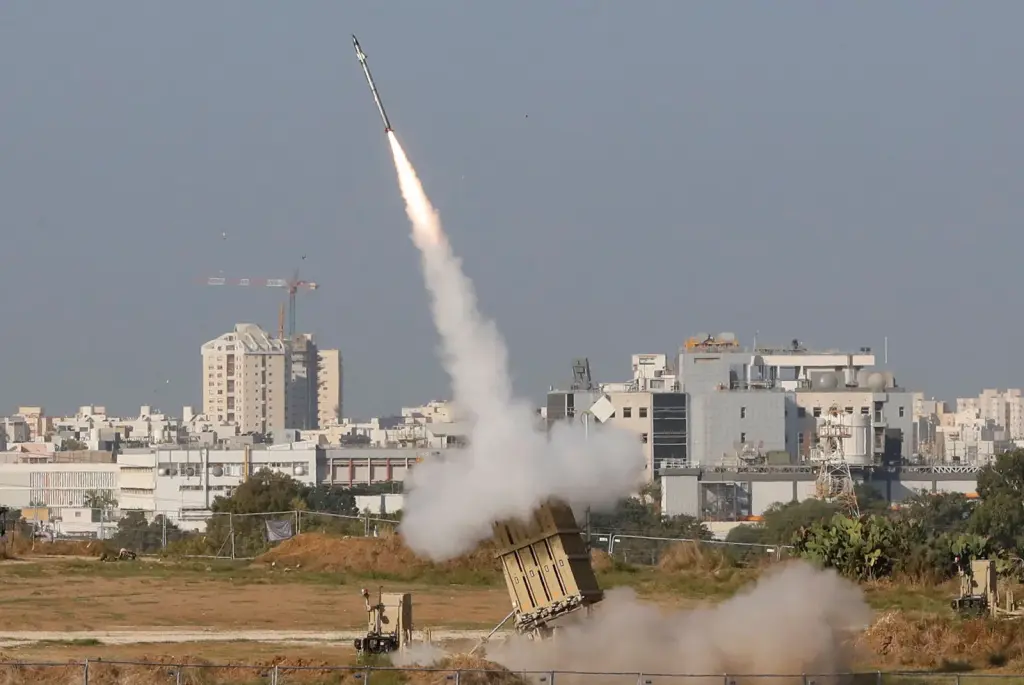 Israel’s air force is characterized by high operational proficiency, supported by advanced American-made aircraft such as the F-35 and F-16. Furthermore, elite intelligence and special operations units, such as the Mossad and Sayeret Matkal, play essential roles in covert operations and counter-terrorism. This combination of highly trained personnel and technical dominance keeps Israel at the vanguard of regional military capabilities.
The Assassination of Hamas Leader Ismail Haniyeh in Iran
Conversely, Iran focuses its military doctrine on massive mobilization and the projection of regional influence. While its domestic technology lags behind Israel’s, Iran has expanded its power projection through a network of regional proxies. It has invested heavily in a ballistic missile program capable of striking targets throughout the Middle East, with missiles such as the Shahab-3 and Sejjil-2 possessing ranges of up to 2,000 kilometers. Perhaps Iran’s greatest strategic advantage lies in its proxy warfare doctrine. By maintaining deep ties with groups such as Hezbollah, Hamas, and the Houthis in Yemen—providing them with training and armaments—Iran extends its reach, forcing adversaries to contend with a multifaceted, multi-front threat.