
The Background of the Agreement: Why is it Under Scrutiny?
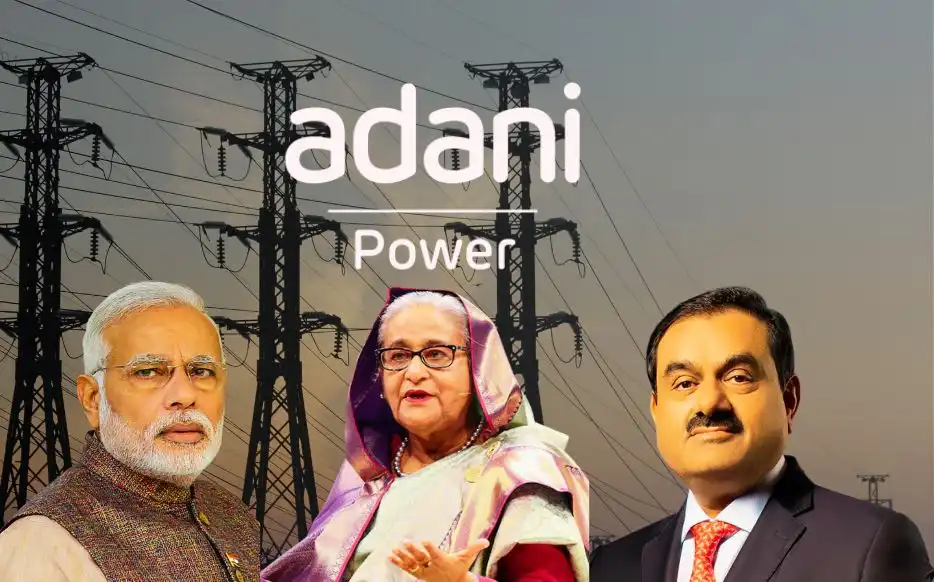
Narendra Modi’s 2015 visit to Dhaka was heralded as a historic milestone, but it was during this tour that the seeds of the Adani deal were sown. Under pressure from the Indian administration, the then-Prime Minister Sheikh Hasina facilitated the entry of Indian corporations into Bangladesh’s energy sector. Subsequently, a 25-year power purchase agreement (PPA) was executed between Adani Power Ltd. and the Bangladesh Power Development Board (BPDB). The agreement stipulated the establishment of a thermal power plant in Jharkhand, India, to export electricity to Bangladesh. The inherent flaws, however, were immediate. A granular analysis of the contract terms suggests a unilateral architecture designed to maximize Adani’s margins. One is left to wonder: was the primary agenda of Modi’s visit the strengthening of bilateral ties, or the creation of a captive market for India’s powerful corporate lobby?Muskan Khan’s Hijab and the Secularism of India
Opaque Tenders, 'Special Clauses,' and the Mechanics of Profit
The Coal Enigma
Under the terms of the agreement, Adani utilizes coal imported from its own Carmichael mine in Australia—some 8,000 kilometers away—rather than utilizing more accessible, affordable local coal. Crucially, Adani maintains total control over the pricing of this coal. By inflating transportation and maintenance overheads, the group has artificially bolstered its profits at Bangladesh's expense.Doubled Electricity Tariffs
The cost per unit of electricity, which could have been significantly lower using regional alternatives, has ballooned to approximately $7 due to the reliance on imported coal. Reports indicate that in January 2024, Adani billed Bangladesh for coal at $400 per ton, while the actual market rate was $245. Through this artificial price escalation, Bangladesh loses hundreds of millions of dollars annually on a single procurement channel.Tax Exemptions and Evasion
The Adani power plant was designated a Special Economic Zone (SEZ), granting the group significant tax relief. Paradoxically, the contract mandates that Bangladesh bear the burden of these "notional taxes," allowing the group to extract billions from the Bangladeshi treasury under the guise of tax obligations.Unreasonable Conditions
The agreement includes provisions that defy standard commercial logic: * **Indemnity for Adani:** Adani is exempt from penalties for power supply failures caused by political or natural events. Conversely, if Bangladesh defaults or experiences disruptions due to domestic instability, it is liable for massive fines without any recourse for damages. * **Repair Liability:** Even if the power plant is damaged due to domestic Indian political unrest, the maintenance costs fall upon Bangladesh. * **Mandatory Payment:** Bangladesh is obligated to pay the full price for electricity regardless of the quality of coal used or whether the electricity is actually consumed. In 2023, when power supplies faltered, Adani invoked *force majeure* to escape sanctions, while the BPDB was forced to absorb the financial fallout.India’s Frustration Becomes Evident
Modi, Hasina, and Adani: A Nexus of Interests
The relationship between Narendra Modi and Gautam Adani transcends traditional business interactions, manifesting as a deep-rooted political alliance. Under the patronage of the Modi government, the Adani Group has faced similar allegations of corruption in Sri Lanka, Kenya, and Bangladesh. In each instance, Modi has personally lobbied for the group’s interests. Furthermore, recent indictments in the United States allege that Adani orchestrated a $250 million bribery scheme to secure renewable energy contracts in India—a scandal that has inevitably cast a shadow over the Indian Prime Minister himself. > *“What we have given to India, they will remember for their entire lives. We have brought peace to them from daily bombings and gunfire. They must remember this.”* — Sheikh Hasina
Sheikh Hasina’s deepening reliance on this relationship underscored her willingness to prioritize political survival over national interests, effectively turning Bangladesh into a theater for Indian corporate hegemony. Meeting minutes from 2018 reveal that the Hasina administration accepted the majority of Adani's demands without negotiation.
Bangladesh’s Counter-Position: The Path to Reconsideration
Following the fall of the Sheikh Hasina government, a national review committee led by Dr. Debapriya Bhattacharya released a white paper labeling the Adani agreement "politically influenced and economically corrupt." Economists have characterized the terms as inherently anti-national. A source within Bangladesh's energy sector remarked, "The terms were dictated, not negotiated. It is evident that Bangladesh’s interests were never the priority." Research indicates that the 25-year deal could cost Bangladesh an estimated $6 billion. International experts concur that the agreement serves as a blueprint for financial vassalage. A recent report by the Institute for Energy Economics and Financial Analysis (IEEFA) highlights the gross disparities in coal pricing and contractual obligations. Financial analyst Tim Buckley noted, "This is a glaring example of corporate power exertion under the guise of regional cooperation."Why Can't Bangladesh Survive Without Hasina and India?
The current interim government, under the stewardship of Dr. Muhammad Yunus, has initiated investigations into the Adani deal and six other controversial energy contracts. Legal processes for renegotiation or cancellation are underway. The government has signaled that future discriminatory agreements will no longer be tolerated. The Adani energy deal is far more than a mere commercial transaction; it is a vivid case study in how unchecked corporate influence and political nepotism can undermine a nation's economic sovereignty. This scandal poses a significant threat not only to fiscal stability but to national security. The Hasina administration implemented this agreement to serve the political interests of its neighbor, sacrificing the public good in the process. While the immediate impact is fiscal, the long-term consequences threaten to erode Bangladesh’s diplomatic leverage and autonomy. To move forward, Bangladesh must recalibrate its strategic outlook, prioritize national interest, and ensure that its energy policies are no longer prey to the agendas of powerful neighbors or predatory corporate behemoths.