
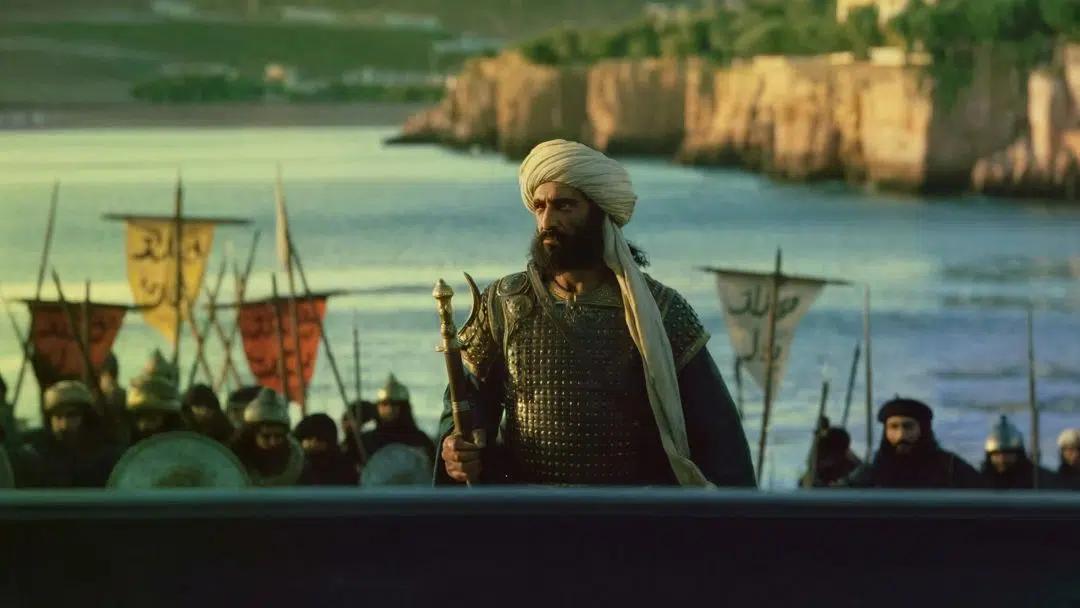
Tariq bin Ziyad at a Glance
- Name: Tariq bin Ziyad
- Identity: Muslim commander who conquered Spain
- Key Achievement: Defeated the Visigoths and established Al-Andalus (711 AD)
- Famous Battle: The Battle of Guadalete
- Historical Landmark: Gibraltar (Jabal al-Tariq)
- Death: Approximately 720 AD
Early Life and Military Ascent
While historical accounts vary regarding his precise genealogy, consensus suggests that Tariq bin Ziyad was of Berber descent from North Africa, born circa 670 AD. Following his conversion to Islam, he joined the forces of Musa bin Nusayr, the Umayyad governor of North Africa. Through intellectual acuity, integrity, and raw courage, Tariq quickly earned Musa’s confidence. In recognition of his exceptional capabilities, he was appointed governor of the strategic North African city of Tangier—a post that would serve as the launching pad for his ambitions toward the Iberian frontier.Historical Context of the Conquest of Spain
At the dawn of the eighth century, Spain—then known as Hispania—was ruled by the Visigothic King Roderic. His reign was defined by chaos, systemic oppression, and moral decay, leaving the general populace and the Jewish community desperate for reprieve. History shifted when Count Julian, the governor of Ceuta, sought assistance from Musa bin Nusayr to settle a personal grievance against King Roderic. Julian invited the Muslim forces to intervene in Spain. With the blessing of Caliph al-Walid, Musa bin Nusayr entrusted the leadership of this historic expedition to Tariq bin Ziyad.Landing at Gibraltar and the Historic Oratory
In the spring of 711 AD (Rajab, 92 AH), Tariq bin Ziyad crossed the Mediterranean with a force of approximately 7,000 Berber soldiers. He landed at the foot of a towering rock on the southern coast of Spain. This site would subsequently be named "Jabal al-Tariq" (The Mountain of Tariq) in his honor, known to the modern world as "Gibraltar." Upon setting foot on the Iberian soil, Tariq recognized the formidable nature of the enemy that lay ahead. Legend holds that, to solidify the resolve of his troops and eliminate any thought of retreat, he ordered the fleet to be burned and addressed his soldiers with a stirring declaration:"Oh my warriors! Where can you flee? Behind you lies the raging sea, and before you, a countless enemy. By Allah! You have only two paths: persevere with courage and seize victory, or attain the glory of martyrdom."
The Battle of Guadalete: A Turning Point
Upon learning of Tariq's arrival, King Roderic marched from the north with a massive force numbering approximately 100,000. In the interim, Musa bin Nusayr dispatched 5,000 reinforcements to assist, bringing Tariq’s total force to 12,000. On July 19, 711 AD, during the month of Ramadan, the two armies clashed on the banks of the Guadalete River (Battle of Guadalete). Over a week of brutal combat, Tariq exhibited masterclass tactical maneuvering. The internal fractures of the Visigothic military, compounded by treachery within the ranks of Roderic’s army, tilted the scales. Tariq’s swift cavalry successfully breached the Visigothic lines. The Muslim forces secured an improbable victory, and King Roderic was defeated and killed. This triumph shattered the Visigothic resistance and opened the gates to the peninsula.The Fall of Toledo and the Birth of Al-Andalus
Following the Battle of Guadalete, Tariq moved decisively toward the capital. He divided his forces into detachments to secure key cities such as Cordoba, Malaga, and Granada, while he led the main contingent toward Toledo. The Visigoths, paralyzed by terror, surrendered the capital with minimal resistance. In 712 AD, Musa bin Nusayr arrived in Spain with a force of 18,000, joining Tariq. Together, they expanded the dominion to include Zaragoza, Barcelona, and Leon. Thus was established "Al-Andalus," which would endure for eight centuries as the premier center of science, philosophy, and cultural enlightenment in Europe.Return to Damascus and Final Years
Though one might expect a conqueror of such stature to enjoy a twilight of royal indulgence, history took a different turn. In 714 AD, Caliph al-Walid summoned both Tariq and Musa to Damascus. By order of the Caliph, they relinquished control of Spain. Amidst shifting political tides, the great commander spent his remaining years in relative obscurity. He passed away in Damascus around 720 AD. He died without significant wealth or political power, yet he left behind an immortal legacy. Tariq bin Ziyad remains an icon of courage, steadfastness, and conviction. His leadership brought the light of the Islamic Golden Age to the darkness of medieval Europe. The Al-Andalus he founded would eventually become a cradle for the European Renaissance. While his name is etched in the annals of history, his greatest lesson persists: when one possesses unwavering resolve, victory is not a matter of fortune, but of inevitability.Frequently Asked Questions (FAQ)
1. Who was Tariq bin Ziyad?
Tariq bin Ziyad was a Berber-born Muslim commander of the Umayyad Caliphate who led the conquest of Spain in 711 AD.
2. How did Gibraltar get its name?
The mountain was named in honor of Tariq bin Ziyad. It was known in Arabic as 'Jabal al-Tariq' (Mount of Tariq), which linguistically evolved into 'Gibraltar.'
3. Why did Tariq bin Ziyad burn his ships?
History records that he ordered the fleet to be burned to remove any possibility of retreat, forcing his troops to be fully committed to the battle for victory.
4. When was the Battle of Guadalete fought?
This historic battle took place on July 19, 711 AD, on the banks of the Guadalete River, between the forces of Tariq bin Ziyad and King Roderic.