The Etiology and Mitigation of Vehicular Mortality in Bangladesh
Shanjida Shima
•December 18, 2021•6 min read
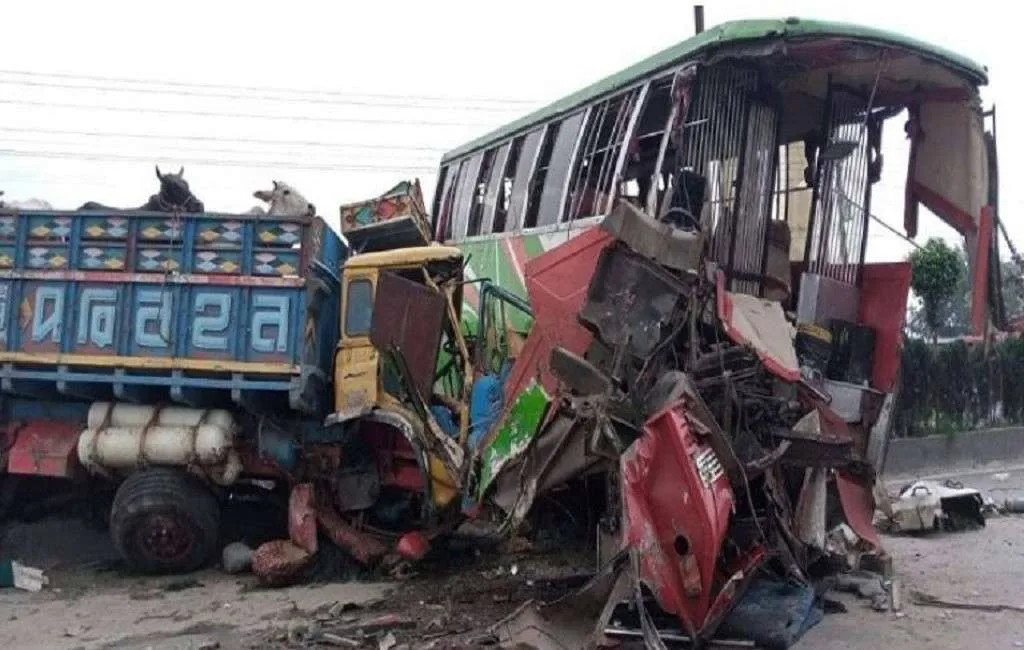
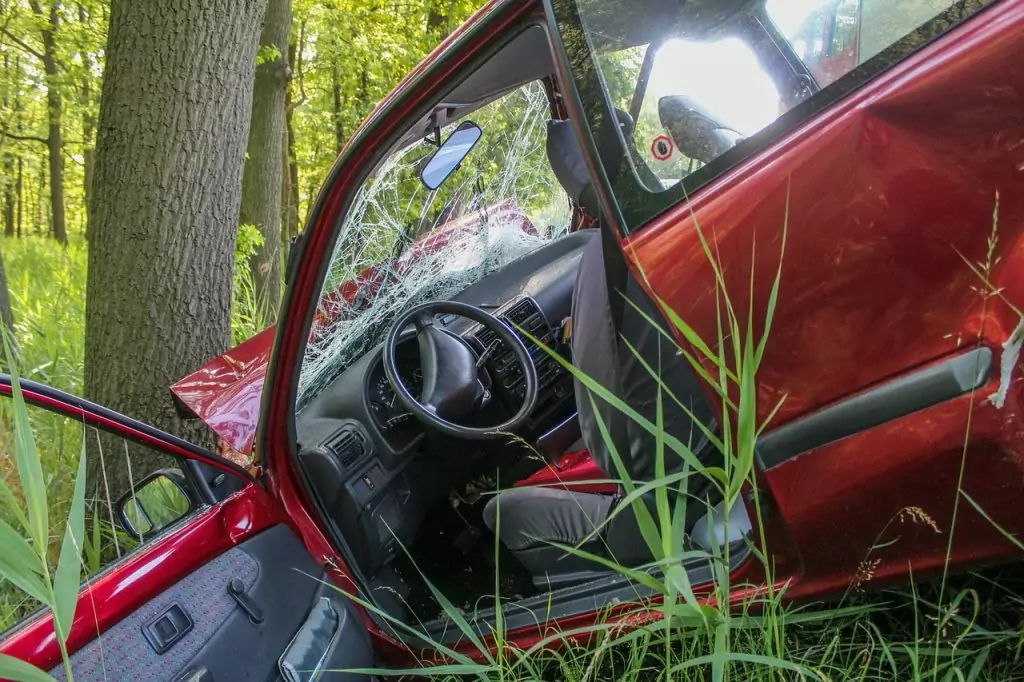
The persistent scourge of road fatalities continues to exact a harrowing toll on human life, with the grim iconography of carnage serving as a daily fixture in the national discourse. Indeed, the regularity of these vehicular catastrophes has rendered them a ceaseless and tragic cadence in the contemporary Bangladeshi experience.
Each day, the relentless toll of road accidents claims fresh lives, leaving a trail of carnage documented in the media with harrowing imagery. There is scarcely a day when the news is not dominated by the reports of yet another catastrophe. Despite the escalating frequency of these tragedies, substantive preventative measures remain elusive. At the end of the year, the only recourse for the bereaved is often nothing more than a perfunctory statement from government officials or political leaders, or perhaps a meager state compensation of one or two lakh taka. Yet, can the premature death of a citizen truly be quantified in monetary terms? A life lost represents far more than a mere absence; it often signifies the disintegration of an entire household, ultimately corroding the very fabric of society. The situation has reached such a nadir that road accidents have become Bangladesh's greatest 'pandemic'. This article examines the systemic causes of these accidents in Bangladesh and proposes a pathway to reform.
Road Accidents in Bangladesh
Can We Truly Calculate the Statistics?
Compared to 2018, road accidents in 2019 saw an increase of 1,500 incidents. These reports, compiled by the organization *Nirapad Sarak Chai* (We Demand Safe Roads), are based on media coverage and data from its various local chapters. According to their findings, between January 1 and December 31, 2019, 4,702 accidents occurred, claiming 5,227 lives. The previous year, 2018, saw 3,349 accidents resulting in 4,439 deaths. While injuries decreased in 2019 compared to the 7,008 recorded in 2018, the fatalities reached a significantly higher threshold.
The *Road Safety Foundation’s* "Annual Road Accident Report 2020" noted 4,735 accidents, causing 5,431 deaths and 7,379 injuries. Among the deceased were 871 women and 649 children. Despite a two-month cessation of public transport due to the pandemic, accidents in 2020 increased by 0.89% over 2019, with a 4.22% rise in fatalities. Particularly alarming was the surge in motorcycle accidents, which saw a 54.81% increase in deaths. (The Daily Star)
The "Annual Road Accident Report 2021" by the *Bangladesh Passengers’ Welfare Association* recorded 6,213 incidents across road, rail, and waterways, resulting in 8,516 deaths and 9,751 injuries. Rail and water accidents added to the grim toll, with 396 and 311 deaths respectively. While pandemic-related shutdowns reduced bus-related accidents, the overall trend remained bleak. (Prothom Alo / Daily Inqilab)
In 2022, there were 6,749 road accidents, leading to 9,951 fatalities and 12,356 injuries. In 2023, the number of road accidents was 6,261, with 7,902 deaths and 10,372 injuries. Although these figures represent a slight decline, road safety remains a deep-seated crisis.
The Causes of Road Accidents
An inquiry into the root causes of these tragedies reveals several recurring systemic failures:
Driver Negligence and Reckless Driving: Carelessness remains the primary driver of most incidents.
Unfit Vehicles: A large number of vehicles operating on the roads lack necessary fitness certifications.
Defective Road and Traffic Infrastructure: A chronic lack of modernization in traffic management systems.
Unskilled Drivers without Licenses: The prevalence of unlicensed drivers continues to pose a major risk.
Illegal Overtaking and Traffic Violations: A persistent disregard for traffic laws and safety norms.
Encroachment on Roads and Footpaths: Illegal structures on pavements force pedestrians onto the carriageway, increasing exposure to danger.
If the administration formulates policy based on a rigorous review of these causes, the fatality rate can be significantly reduced. Key measures include:
Development of Infrastructure: Building pedestrian foot-over bridges or underpasses at critical junctions.
Lane Discipline: Enforcing vehicle-specific lane regulations.
Prohibiting Slow-Moving Vehicles: Banning low-speed vehicles from highways.
Mandatory Dashcams: Implementing dashcams for monitoring accident causes.
Fatigue and Substance Testing: Rigorous medical and drug testing for drivers.
Overtaking Protocols: Strictly enforcing signaling and caution during overtaking.
Speed Limits at Intersections: Establishing and enforcing speed limits at sharp turns.
Automated Traffic Systems: Modernizing and automating traffic management.
Strict Licensing Enforcement: Eliminating unlicensed driving through strict supervision.
Clearing Footpaths: Evicting illegal structures from pedestrian walkways.
Professionalization of Drivers: Mandatory training and psychological counseling for all drivers.
Road Scanning and Analytics: Utilizing data-driven road analysis for safer design.
Decoupling from Political Corruption: Insulating the transport sector from partisan influence.
Furthermore, to ensure service quality and safety standards, it is recommended that ministers, members of parliament, secretaries, and district commissioners be required to use public transport anonymously once a month. This would allow them to witness the realities of the road network firsthand, fostering a genuine urgency for modernization.
Government Responsibility and Accountability
In 2017, the Cabinet, led by Prime Minister Sheikh Hasina, declared October 22 as National Road Safety Day. While this date acknowledges the memory of Jahanara Kanchan, who died in a 1993 accident, the move remains largely symbolic if not backed by structural reform.
The student movement for safer roads in 2018 demonstrated that despite public outcry, the "vicious cycle" within the transport sector remains unbroken. Safety remains elusive. An integrated, multi-stakeholder approach involving the government, owners, transport workers, and passengers is essential. Without a genuine shift in consciousness, laws alone will be toothless—especially since 54% of accidents involve pedestrian behavior.
The government must take ownership of its failures and initiate concrete, political solutions. Sustainable development is predicated upon a safe, affordable, and efficient transportation system; there is little point in launching satellites into the heavens if the ground beneath our feet is a death trap. A nation’s true progress is measured by the safety of its citizens on its roads.
These statistics are not merely abstract figures; they represent lives, which, in the words of Rabindranath Tagore, are not mere common property but invaluable treasures. A modicum of caution, adherence to rules, and patience could save countless families from the desolation of losing their sole breadwinner. We must commit to following traffic laws, encouraging others to do the same, and fostering a culture of vigilance. We must remember: life is far more valuable than time.
Share this intellectual discourse
Help expand constructive dialogues on global affairs, law, and politics.
Shanjida Shima
Author & Contributor, MaroonPaper
Contributing insightful research and analytical essays on law, politics, history, and international affairs for MaroonPaper.