
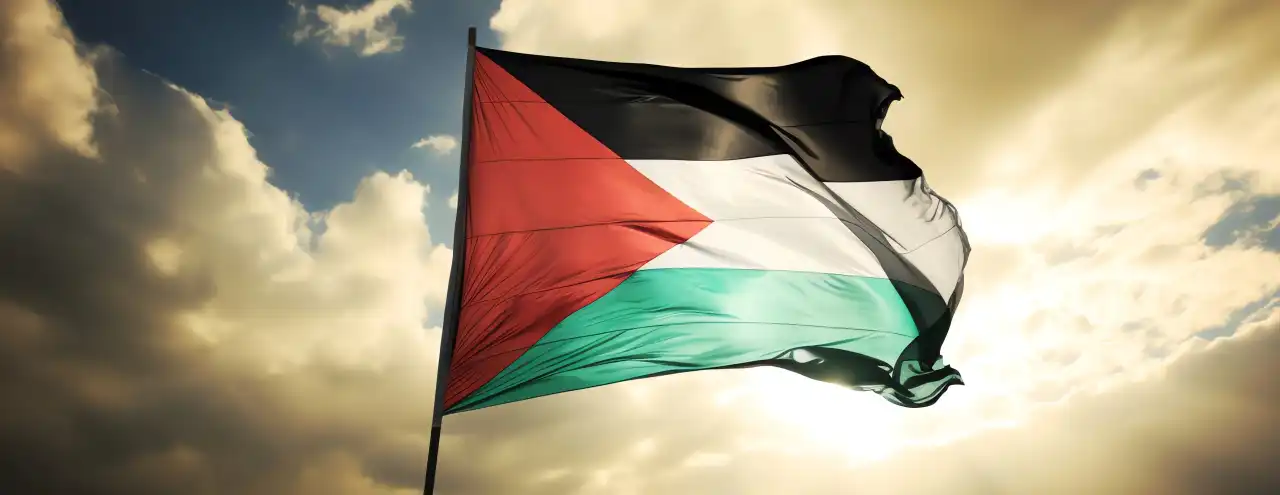
The formal recognition of the State of Palestine by Ireland, Spain, and Norway on May 28 marks a tectonic shift in Middle Eastern geopolitics. This decision represents a watershed moment in the Palestinians' long-standing struggle for international recognition and sovereign statehood. Here, we examine the context, significance, and future implications of this historic diplomatic maneuver.
Statehood and the Recognition of Palestine
For decades, the aspiration for statehood has remained the central pillar of Middle Eastern politics. Since the 1948 Arab-Israeli War, Palestinians have navigated a harrowing landscape of displacement, perpetual conflict, and an unrelenting quest for a recognized homeland. Despite numerous peace initiatives and intermittent negotiations, a definitive resolution has remained elusive.
Following the Palestinian Declaration of Independence by the PLO on November 15, 1988, a significant number of nations have extended formal recognition. To date, 143 of the 193 United Nations member states recognize the State of Palestine. In November 2012, the UN General Assembly elevated Palestine’s status to that of a non-member observer state. While numerous nations across Asia, Africa, and Latin America have long recognized Palestine, Western powers—including the United States, the United Kingdom, Canada, France, Germany, Italy, Japan, and South Korea—have largely stalled, often engaging in diplomatic prevarication regarding formal recognition. Notably, Washington utilized its veto power last month to block a UN resolution that would have further solidified Palestine’s standing.
South Africa's Case Against Israel at the International Court of Justice
Ireland’s Stance
Ireland has long served as a vocal advocate for Palestinian rights. The Irish government and its citizenry maintain a deep empathy for the Palestinian plight, largely stemming from historical parallels between the Irish struggle for independence against British colonial rule and the Palestinian experience of Israeli occupation. This shared historical consciousness has consistently manifested in robust political and humanitarian support.
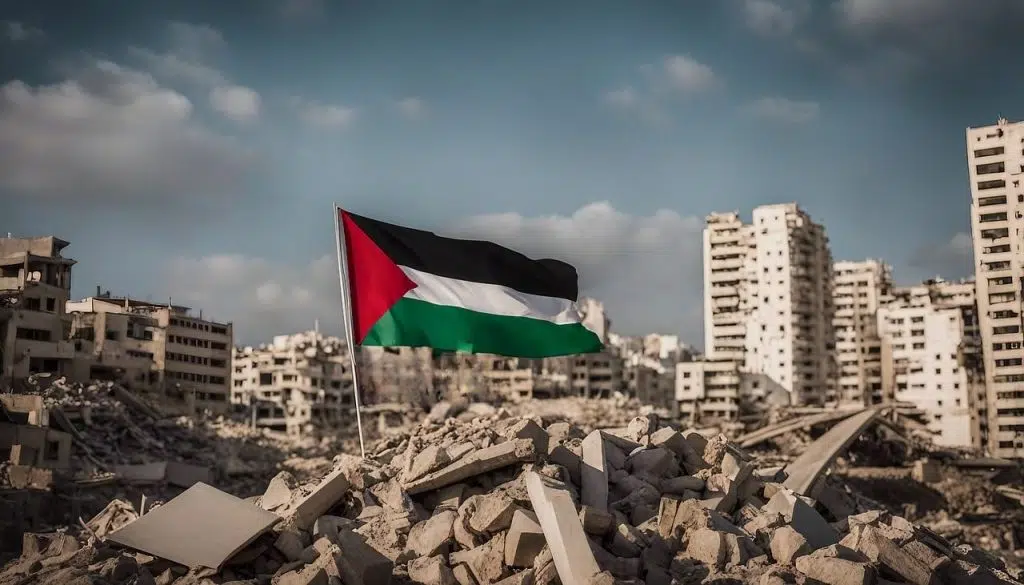
The Irish Parliament recently moved to declare Israeli activities in Palestinian territories illegal. This bold legislative step cleared the path for formal state recognition and serves as a testament to Ireland’s unwavering commitment to international law and human rights.
Beyond the conventional narratives propagated by Western media, a closer inspection of the map reveals a starker reality: the perpetual instability in the Middle East serves as a backdrop to a ruthless shadow conflict over the Strait of Hormuz—the critical maritime chokepoint through which twenty percent of the world’s petroleum supply flows.
Spain’s Stance
Spain’s relationship with Palestine is rooted in a tradition of historical solidarity and diplomatic alignment. Madrid has consistently supported UN resolutions advocating for Palestinian rights and has actively participated in peacekeeping missions throughout the region.
What is America’s Blackwater? How does it terrorize the World?
The current coalition government, led by progressive factions, successfully navigated internal political consensus to prioritize the recognition of the Palestinian state—a move underpinned by the humanitarian values widely held by the Spanish public.
Norway’s Stance
Norway occupies a unique niche in Middle Eastern diplomacy, having facilitated the historic 1993 and 1995 Oslo Accords between Israelis and Palestinians. Norway has maintained a steadfast commitment to fostering dialogue and pursuing peaceful, negotiated settlements.
Publish Your Research & Critical Analysis on MaroonPaper
Contribute in-depth essays on law, political philosophy, economics, and geopolitics to an intellectual readership.
The recent shift in Norway’s political climate, coupled with a growing cross-party consensus, culminated in the formal decision to recognize the Palestinian state. This move is the natural evolution of Norway’s long-standing diplomatic ethos.
The History of the Israel-Palestine Conflict
The Impact of Recognition
Middle Eastern Nations
The recognition by Ireland, Spain, and Norway is expected to trigger a complex reaction across the Middle East. Nations such as Egypt, Jordan, and Saudi Arabia may view this as a constructive step toward rebalancing regional power dynamics. Conversely, Israel views this progress with alarm, anticipating heightened diplomatic friction. Prime Minister Benjamin Netanyahu has already dismissed the move, characterizing the recognition of a Palestinian state as a “reward for terrorism,” arguing that it serves neither the cause of peace nor the objective of dismantling Hamas.
Western Powers
The response among Western powers remains fractured. While some European nations may follow suit in the name of justice, traditional allies of Israel—most notably the United States—have expressed deep reservations. A spokesperson for the White House National Security Council reiterated that while President Biden has long been a "staunch supporter of the two-state solution," he believes that Palestinian statehood should be realized through direct negotiations rather than unilateral recognition. Meanwhile, Germany suggests that further dialogue is required, and France maintains that the necessary conditions for recognition have not yet been met.
The volatility currently defining Middle Eastern statecraft is anchored by the convergence of the intractable Palestinian crisis and the Abraham Accords—a transformative diplomatic framework that continues to reshape the regional architecture.
Impact on Israel-Palestine Relations
This recognition will significantly alter diplomatic conduits between Israel and the acknowledging nations. While it may lead to immediate diplomatic cooling, it simultaneously introduces new leverage, potentially reinvigorating stalled peace talks.
Rewriting the History of the Peace Process
Formal recognition acts as a potential catalyst for renewed negotiation. By validating the Palestinian claim to statehood, these nations are reinforcing the necessity of a two-state solution, pressuring other international actors to accelerate efforts toward a sustainable peace agreement.
Beyond the geopolitical implications, this recognition serves as a beacon of hope for millions of Palestinians. It signifies international legitimacy for their identity and rights, likely paving the way for enhanced humanitarian support and improved living conditions.
Future Prospects
The decision by Ireland, Spain, and Norway could set off a domino effect, particularly among other European nations. This shift could unify the international community regarding Palestinian independence and place significant pressure on Israel to engage in substantive, good-faith dialogue.
The United Nations may also find its role intensified in the aftermath of these recognitions. Increased UN involvement in the peace process could lead to new resolutions and more robust peacekeeping initiatives aimed at securing a fair and permanent resolution.
The formal recognition of the State of Palestine on May 28 stands as a landmark event in global politics. It reflects not only the evolving perspectives of these European states but also the enduring, resilient struggle of the Palestinian people for sovereignty. As the world watches, the significance of this move will unfold, potentially carving a path toward a more equitable and peaceful future.