
The Pahalgam Attack: A Catalyst for Conflict
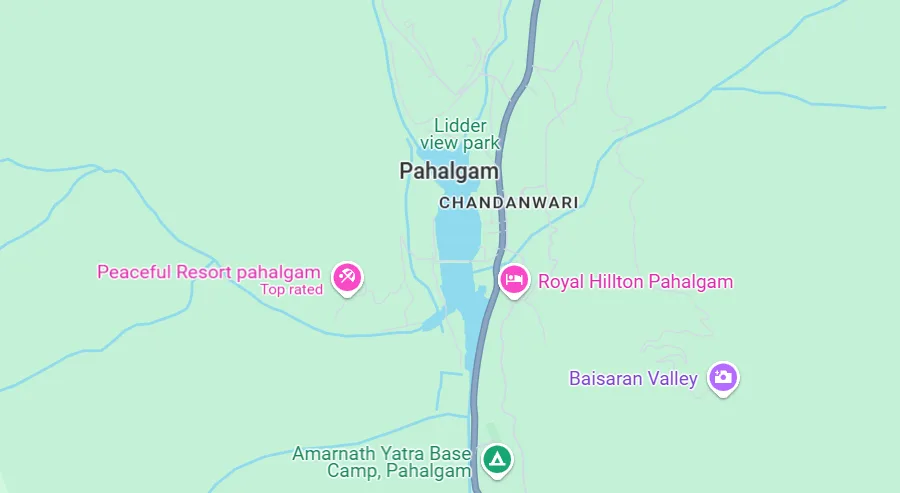
Relations between New Delhi and Islamabad soured immediately following the April 23, 2025, armed assault in the Kashmiri tourist hub of Pahalgam. Indian authorities have alleged links between the perpetrators and groups operating from across the border, with the Ministry of External Affairs reiterating a policy of "zero tolerance toward terrorism." Pakistan has categorically rejected these allegations as baseless. In the wake of the incident, India’s National Security Council convened an emergency meeting, unilaterally announcing the suspension of the Indus Waters Treaty, the closure of the Attari border, the rescinding of travel documents, and severe restrictions on the functionality of the Pakistan High Commission in New Delhi. These retaliatory measures were implemented in the absence of an independent inquiry and without concrete evidence directly implicating the Pakistani state. Analysts suggest that the suspension of the 1960 water-sharing accord will have profound, long-term consequences for South Asian geopolitics. Prime Minister Narendra Modi has issued a stern warning of retributive justice, vowing to hunt down the perpetrators to the "ends of the earth." This bellicose rhetoric has fueled speculation in the Indian media, evoking grim memories of the 2019 Balakot crisis, which saw air strikes across the Line of Control followed by retaliatory aerial engagement. Meanwhile, the border remains a flashpoint of kinetic activity. The Indian Army has reported that Pakistani forces initiated fire and are currently massing heavy artillery. While Islamabad has maintained a degree of official silence, the pressure along the frontier is palpable. India appears to be leveraging this show of force to validate its policy of "coercive diplomacy," having signaled its intent to escalate by mobilizing heavy weaponry and readying combat aircraft.The Cyprus Dispute: A Comprehensive Overview
The Scrapping of the Indus Waters Treaty and Further Sanctions
Among the host of measures enacted by New Delhi, the unilateral "suspension" of the 1960 Indus Waters Treaty stands out as the most provocative. The accord historically governed the distribution of water from the Indus system rivers. India maintains the suspension will hold until Pakistan addresses cross-border terrorism. However, under international law, such unilateral suspension is legally dubious. The implications are severe: * Diminished water supply for Pakistan’s agricultural and industrial sectors. * Potential for renewed territorial and riparian friction over the Indus and Chenab rivers. * Protracted legal battles in international arbitration forums. Pakistan has condemned the move as unilateral, unjust, and irresponsible. Islamabad has signaled that any disruption to the agreed-upon water flow would be regarded as tantamount to an act of war, promising a full-scale response. Consequently, Pakistan has signaled a suspension of existing bilateral agreements, such as the Shimla accord, while stopping short of outright cancellation.The Specter of Military Conflict
The prospect of direct conflict has not been this acute since 2019. Satellite imagery corroborates reports of heavy weapon deployment along the Line of Control, and both nations have moved additional troops to the Kashmiri frontier. The prevailing fear is that the combination of kinetic movement and high-strung rhetoric may lead to an inadvertent spiral into open war. The risk of nuclear escalation is no longer a peripheral concern but a central danger. The notion of a "limited war" remains a perilous fantasy. While Pakistan has maintained it will not strike first, it has vowed a robust defense should India initiate hostilities—a cycle that could quickly spin out of control. Mediation is urgently required. While proposals for mediation from the United States, Saudi Arabia, and Iran have surfaced, their efficacy remains to be seen. Any durable resolution must address the core of the grievance: the aspirations of the Kashmiri people. As Farooq Abdullah of the Jammu & Kashmir National Conference has noted, "The voice of the Kashmiri people is the key to a permanent solution."Muskan Khan’s Hijab and Indian Secularism
Restoration of bilateral communication channels is imperative. Without them, the risk of catastrophic miscalculation grows by the hour. The trajectory toward a full-scale battlefield is clear, and only immediate diplomatic de-escalation and third-party intervention can stave off a conflict of unimaginable proportions.