
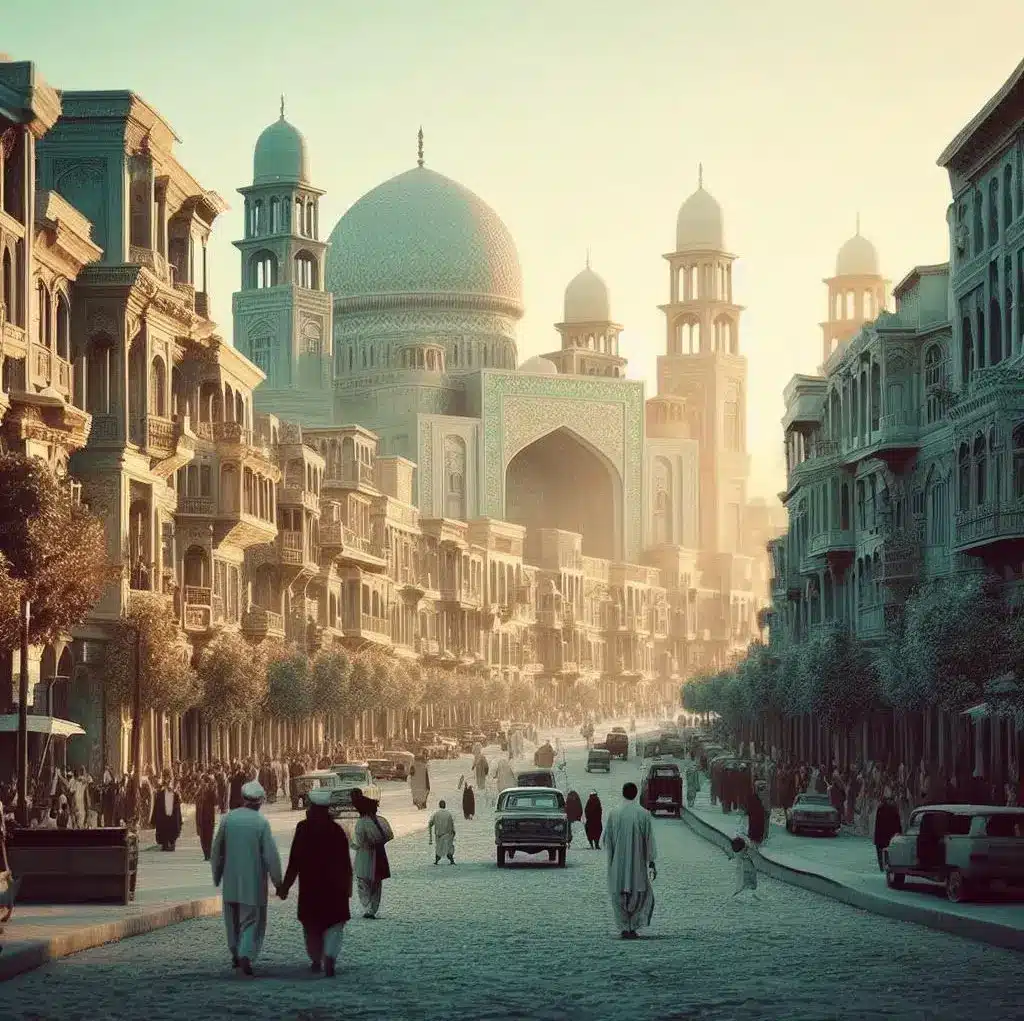
The Monarchy of Afghanistan
In historical terms, Afghanistan was never truly subjugated by Western or foreign imperialism. Yet, the great tides of human history have repeatedly swept across its rugged terrain. Remarkably, no external power has ever managed to establish a permanent colonial foothold. Persians, Greeks, Indians, Chinese, Huns, Mongols, Mughals, and eventually Europeans—pagans, Hindus, Buddhists, Muslims, Christians, believers, and atheists alike—have all conquered Afghanistan, yet each was ultimately defeated by the resilience of the local Afghan people.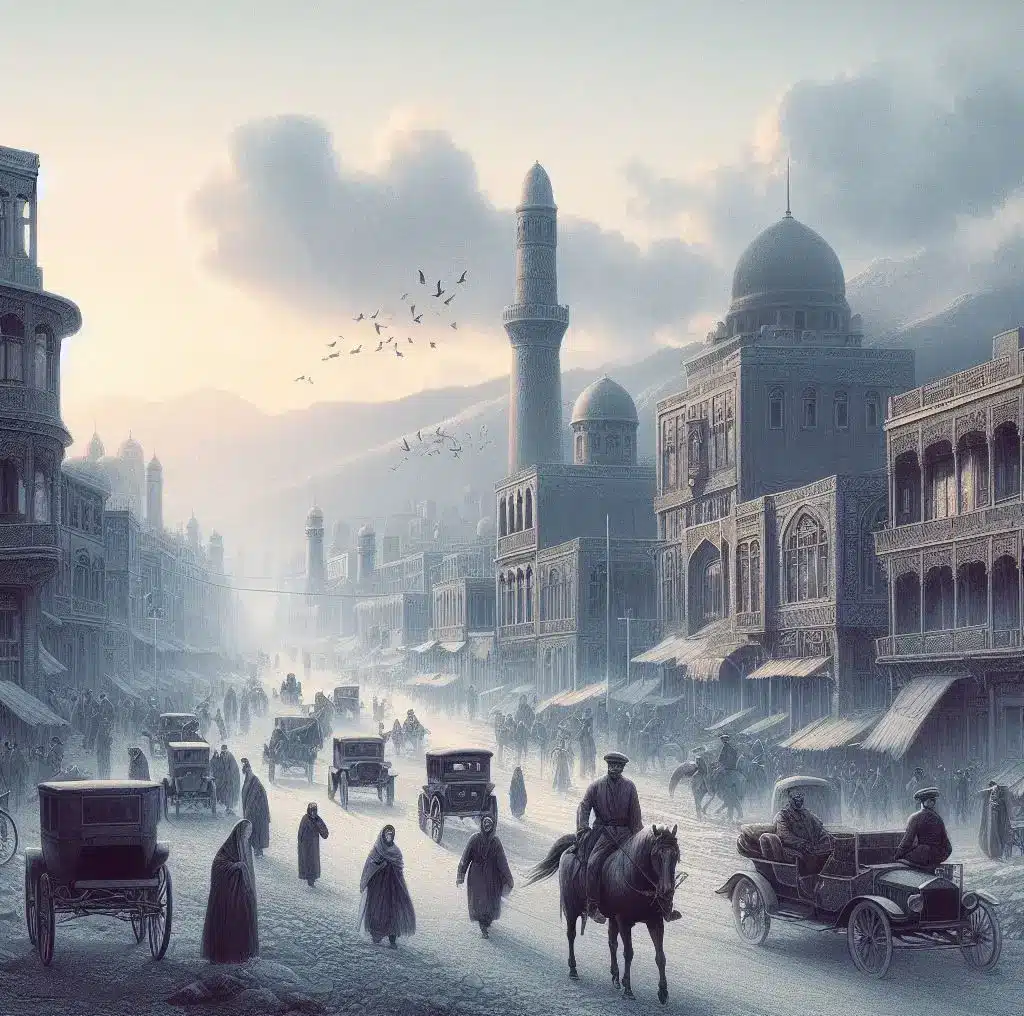
The Collapse of the Afghan Monarchy
The modern monarchy, established by Ahmad Shah Abdali, endured for over two centuries. His successor, King Zahir Shah, reigned from 1933 until 1973. In 1973, Daoud Khan orchestrated a bloodless coup against Zahir Shah, effectively ending the monarchical system. This collapse was a seminal moment in Afghan history, driven by an ostensible desire to establish Western-style democracy and republican governance. The fall of the monarchy was fueled by a confluence of systemic pressures: chronic political instability, deep-seated ethnic divisions, socio-economic stagnation, bureaucratic corruption, student unrest, and the rise of leftist movements. Furthermore, Afghanistan’s harsh topography and underdeveloped communication infrastructure rendered the central state fragile. Consequently, anti-monarchy sentiments spread rapidly. On July 17, 1973, taking advantage of Zahir Shah’s medical visit to Italy, his cousin and former Prime Minister, Daoud Khan, seized power. The factors contributing to this collapse are outlined below.The Pashtunistan Problem
The Pashtunistan Crisis—a nationalist movement among Pashtuns seeking an independent state—played a crucial role in the monarchy's demise. Zahir Shah rejected the demand for autonomy, viewing it as a threat to Afghanistan's territorial integrity. His attempts to prevent Pakistan from exerting influence over Pashtun tribes backfired; Pakistan, in turn, fanned the flames of rebellion. This sensitive issue alienated the military and various tribes, fueling domestic volatility and weakening the legitimacy of Zahir Shah’s government.The Pashtunistan Crisis and Its Solution
A retrospective of European historiography reveals that, while the continent languished in the medieval depths of superstition, squalor, and intellectual stagnation, the Iberian Peninsula served as a luminous beacon of civilization. It was within this crucible that the Muslim architects of the region forged the enduring, multifaceted heritage of Al-Andalus.
Tribal Opposition
Afghanistan is a multi-ethnic and multi-confessional society, with each group fiercely guarding its cultural heritage. Zahir Shah’s attempts at modernization—including educational reforms and the expansion of women's rights—were perceived by tribal leaders as an assault on traditional values. The state’s attempts to suppress these movements through military force and legal crackdowns only served to unite the tribes in opposition to the throne.Consolidation of Power and Autocracy
Although the constitution theoretically delegated authority to the Prime Minister, Zahir Shah frequently bypassed parliamentary decisions to govern by royal decree. Even under the new constitution, the King’s grip on power remained absolute. By filling key government positions with personal loyalists and curbing parliamentary autonomy, Zahir Shah alienated the public. His policies of centralization included: * Limiting the power of Parliament. * Appointing personal confidants to critical cabinet positions. * Suppressing opposition political parties. * Direct interference in macroeconomic decision-making.Internal Dynastic Rivalries
The lack of clear rules regarding the royal succession exacerbated internal strife. Competition for influence within the royal family created deep fissures. Daoud Khan, the King’s cousin, emerged as a progressive, reformist leader who clashed repeatedly with the more conservative Zahir Shah. Their divergent visions for the country’s future eventually led to a total breakdown in relations.What is the Cold War? Origin, Evolution, and Current Status
The Ousting of Daoud Khan
Daoud Khan, a progressive politician, served as Prime Minister from 1953 to 1963. During his tenure, he pushed for domestic development while fostering close diplomatic and military ties with the Soviet Union. His rising popularity and vocal opposition to the monarchy’s stagnation forced Zahir Shah to force him out of office, turning Daoud into an open and formidable opponent of the crown.Royal Nepotism
Nepotism was a systemic blight during Zahir Shah's reign. By prioritizing personal loyalty over administrative merit, the King fostered a culture of incompetence and corruption. This blatant disregard for institutional integrity further eroded public confidence in the royal family.Liberal Economic Failures
Zahir Shah’s experiments with liberalized trade—lowering tariffs and deregulating imports—unintentionally crippled the domestic industrial base. As cheaper foreign goods flooded the market, local businesses shuttered, and unemployment surged. When Pakistan imposed trade restrictions, the Afghan merchant class—a traditional pillar of support for the monarchy—turned against the King.The 1954 Election: Formation of the United Front, Victory, and the Defeat of the Muslim League
Publish Your Research & Critical Analysis on MaroonPaper
Contribute in-depth essays on law, political philosophy, economics, and geopolitics to an intellectual readership.
Foreign Policy Missteps
Zahir Shah’s policy of neutrality often left Afghanistan caught between the competing interests of the United States and the Soviet Union. Lacking the strength to leverage these superpowers, Afghanistan became a theater for their proxy rivalry, which destabilized the internal political climate and facilitated the rise of pro-Soviet communist factions.Rising Political Consciousness
Enhanced access to education and improved communication networks allowed the Afghan public to become more politically aware. As literacy grew, so did the demand for constitutional reform, exposing the inherent flaws and the archaic nature of the monarchical structure.Constitutional Failures
Despite the implementation of a new constitution, the King remained the ultimate arbiter of power. He controlled the military, declared war, and dictated legislation. The administrative and political reforms promised by the new constitution largely failed to address the systemic lack of accountability, leaving the populace feeling disenfranchised and disillusioned.Widely recognized as one of the world's inaugural written constitutions, the Charter of Medina serves as a seminal historical document, establishing foundational precedents for the Islamic state, religious pluralism, and the architecture of social cohesion.
Failure in Legislation
The legislative process was agonizingly slow and hampered by the necessity of the King’s personal assent. The inability of the government to produce effective, pro-people legislation resulted in a paralysis of governance that the public viewed as proof of royal obsolescence.Bureaucratic Corruption
Toward the end of Zahir Shah's reign, the bureaucracy collapsed under the weight of entrenched corruption. Factors included: * **Centralization of Power:** Nepotism granted bureaucrats immunity for their abuses. * **Incompetence:** Most officials were appointed based on loyalty, not professional qualification. * **Poverty:** Low salaries compelled officials to rely on bribery and graft to survive.Electoral Irregularities
The absence of a transparent electoral system meant that the *Loya Jirga* (National Assembly) was often filled with wealthy, corrupt individuals who used money and influence to secure their positions, further distancing the legislative body from the needs of the common people.The Influence of Western Education
Zahir Shah himself was educated in France, and his reign saw a new generation of Western-educated Afghans emerge. This elite generation, exposed to modern democratic ideals, found the traditional structures of the Afghan monarchy incompatible with their vision of a progressive state.Shifts in Social Structure
Efforts to abolish the feudal system did not lead to true agrarian independence; instead, they trapped farmers under the new control of the state or local power brokers. This systemic failure to provide economic dignity to the peasantry fueled a desire for radical societal change.Political Activism
During Zahir Shah's reign, a surge of political activity marked the end of the monarchy. Republican and socialist parties, such as the People’s Democratic Party of Afghanistan (PDPA), advocated for radical change, while various Islamist groups, including the *Jamiat-e-Islami*, viewed the monarchy as an affront to religious values. These movements operated both domestically and through foreign patronage, accelerating the destabilization of the crown.The Role of the Clergy
The *Mullah* class perceived modernization as a form of "Westernization" that threatened Islamic culture. When the King attempted to suppress religious dissent using the military, the clergy galvanized the public, turning the religious establishment into a formidable opponent of the monarchy.Student Movements
By the 1960s, students at Kabul University had become a militant political force. The brutal military crackdown on student protesters in 1969 became a flashpoint, transforming student activism into a widespread movement that successfully turned the public against the regime.The Military’s Role
The Afghan military became a hotbed of political discontent. Soviet training and influence led many officers to adopt socialist ideologies. Disillusioned with the King’s neutrality and the lack of unity among tribal units, the military eventually became the vehicle through which Daoud Khan executed his coup.The Durand Line
The disputed Durand Line exacerbated tensions with Pakistan, leading to economic hardship and regional instability. The failure of the monarchy to resolve this issue created constant friction, weakening the central government’s control over its border provinces and feeding nationalist dissent.The Islamic Revolution in Iran and the Role of Imam Khomeini