
What is a Patent?
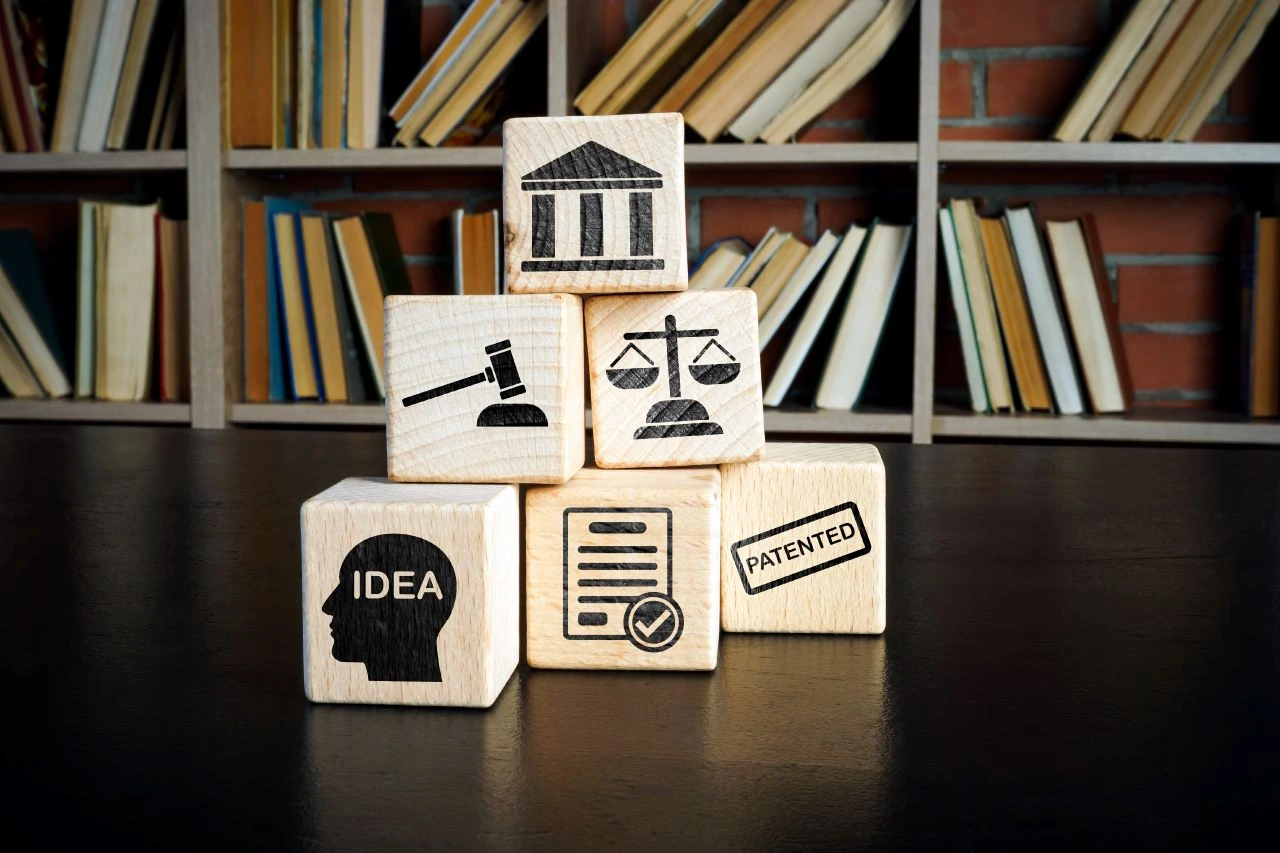
A patent is a form of exclusive legal recognition granted by the state for a new invention or discovery. It bestows upon the patent holder the right—typically for a fixed term of 20 years—to exclude others from manufacturing, using, selling, or distributing the invention without authorization. By providing inventors the opportunity to monetize their work, patents function as a fundamental incentive for technological advancement. In simpler terms, a patent acts as a certificate of ownership over your invention. Should you develop a novel, functional solution that has never been conceptualized before, you may secure a government mandate to protect it. For instance, if you engineer an original mobile phone charger and secure a patent, no third party may produce or market that design without your express permission.
The Bangladesh Patents Act, 2023 regulates this system, codifying which classes of discovery qualify for protection and the rigorous criteria required to obtain a grant.
Why are Patents Important?
As Bangladesh’s economy expands and its technological footprint deepens, the importance of a robust patent system cannot be overstated. Patents provide essential safeguards for Intellectual Property, offering a framework that is increasingly critical for future scientists, innovators, and entrepreneurs.- Safeguarding Discovery: A patent serves as an impenetrable shield against the misappropriation or replication of your work by others.
- Attracting Investment: Patent protection is a prerequisite for luring foreign investment, stimulating domestic job creation, and fostering a culture of indigenous innovation.
- Enhancing Commercial Value: The presence of a patent significantly bolsters the market valuation and commercial viability of an invention.
What is Intellectual Property, and Why Does It Matter?
Types of Patents
According to the World Intellectual Property Organization (WIPO), patent classifications vary by jurisdiction. However, they generally fall into three principal categories:- Utility Patents: The most common form, granted for any new and useful process, machine, or manufacture—such as a novel smartphone interface or a pharmaceutical compound.
- Design Patents: Granted for the unique, ornamental, or aesthetic features of a functional object, such as the specific contour of a chassis or the visual design of a consumer product.
- Plant Patents: Granted for the invention or discovery and asexual reproduction of distinct and new varieties of plants, such as a novel species of flora.
What is Patentable?
Not every creation is eligible for protection; an invention must satisfy specific, stringent criteria. Under the Bangladesh Patents Act, 2023, an invention must possess:- Novelty: The invention must be entirely new, meaning it has not been disclosed to the public prior to the date of the patent application.
- Inventive Step (Non-obviousness): The invention must represent a significant creative leap, such that it would not have been obvious to a person having ordinary skill in the relevant art.
- Industrial Applicability: The invention must be capable of industrial, agricultural, or commercial application.
What Must Bangladesh Do to Restore Judicial Independence?
While natural phenomena, abstract mathematical formulas, or works of fine art are excluded, technical processes—such as drug synthesis or complex software algorithms—are eligible. Landmark examples include Google’s search algorithms, BRAC-Seed technology, and advancements in agricultural biotechnology.What Cannot Be Patented?
Certain subject matter falls entirely outside the scope of patent law:- Theories and Natural Laws: Fundamental scientific truths, such as Einstein’s mass-energy equivalence (E=mc²), are ineligible.
- Artistic Expressions: Literature, poetry, and painting are protected under copyright, not patent law.
- Unethical Inventions: Developments deemed offensive, immoral, or contrary to public order are strictly prohibited.
- Natural Substances: Elemental components as they occur in nature, even if purified or isolated.
- Natural Phenomena: Such as gravity or meteorological cycles.
- Mathematical Formulas: Including constants like pi (π).
- Business Methods: Novel schemes for the sale of goods or services.
- Purely Mental Acts: Such as methods for playing a game.
- Surgical or Therapeutic Methods: Treatment protocols for humans or animals, though the specialized equipment or pharmaceuticals used in such procedures may be patentable.
- Traditional Knowledge: Practices preserved and transmitted through generations.
- Hazardous Inventions: Those that pose a significant threat to public health or biosecurity.
What is Evidence? What Are the Types of Evidence?
In essence, if a creation is derived purely from nature, originates from the abstract human mind, or poses a risk to societal welfare, it is non-patentable. Patents are reserved exclusively for tangible advancements in machinery, processes, or substances that exhibit industrial utility and conceptual originality. The Department of Patents, Designs and Trademarks (DPDT) oversees the administration and enforcement of these rights in Bangladesh. In cases of patent infringement, the aggrieved party may pursue legal recourse. The standard procedure begins with a "cease and desist" order; should the infringer prove recalcitrant, litigation through the judicial system becomes the necessary next step. Patents remain an essential tool for the validation and protection of ingenuity. While the Government of Bangladesh has taken commendable steps in updating patent legislation, the path to acquisition remains complex and requires meticulous legal adherence. There is an urgent need to cultivate a broader awareness of intellectual property rights within the country. The state must provide enhanced institutional support to inventors, ensuring that the process for patent procurement is transparent, streamlined, and accessible. Ultimately, a patent is a potent instrument that enables inventors to derive financial rewards from their ingenuity while fueling the nation’s economic trajectory. Strengthening the patent ecosystem is not merely a legal imperative—it is an economic necessity. **To advance, we must:**- Increase public awareness regarding the role and necessity of patents;
- Simplify and enhance the transparency of the patent application process;
- Increase state-level support and resources for the local inventor community;
- Deepen international cooperation to align our systems with global standards of innovation.