
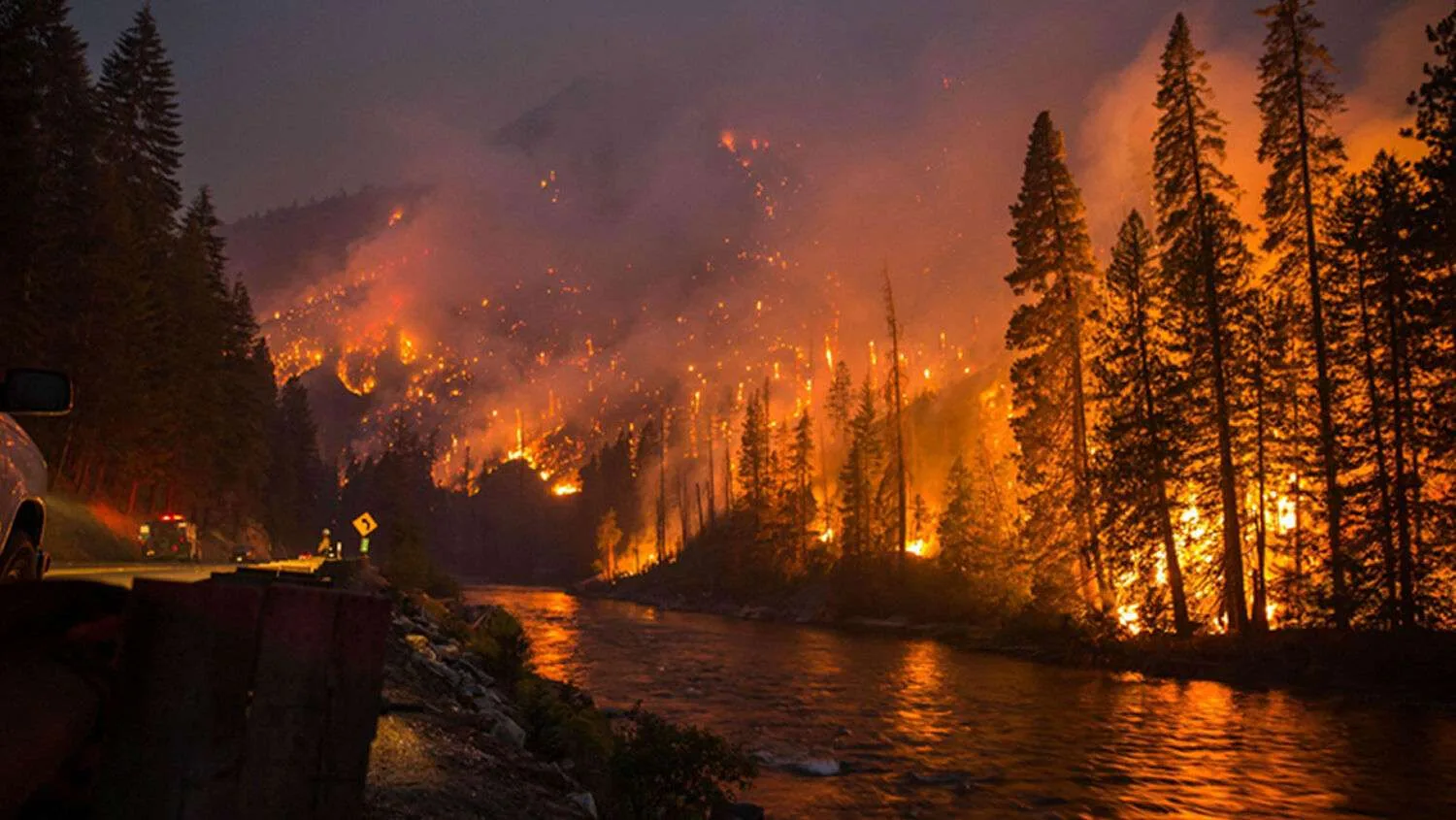
Environmental law constitutes the juridical armor safeguarding the planetary biosphere from catastrophic degradation. As industrial throughput expands, the discipline has evolved from fragmented nuisance disputes into a sophisticated, multi-tiered architecture that balances sovereign economic development with ecological preservation.
Yet for legal scholars, policymakers, and civic litigators, understanding the regulatory architecture requires examining its foundational origins: where does environmental law derive its binding authority? This analysis provides an examination of the primary sources of environmental law across comparative constitutional doctrine, statutory legislation, administrative delegated authority, common law jurisprudence, and public international law.
Defining the Normative Scope of Environmental Law
Environmental law spans the aggregate body of statutes, treaties, customary principles, and judicial declarations designed to safeguard natural ecosystems and curb anthropogenic ecological harm. The Environmental Law Institute encapsulates it as "the body of law that seeks to protect the natural environment and conserve natural resources," while the American Bar Association emphasizes its role in establishing binding quality thresholds for industrial and corporate conduct.
A comprehensive jurisprudential treatise on the core tenets of environmental governance: the Precautionary Principle, Polluter Pays, Sustainable Development, Intergenerational Equity, and Public Participation.
What is Environmental Law? How Does It Differ From Other Branches of Jurisprudence?
The Five Primary Sources of Environmental Law
Modern environmental governance operates across five interconnected juridical sources:
Publish Your Research & Critical Analysis on MaroonPaper
Contribute in-depth essays on law, political philosophy, economics, and geopolitics to an intellectual readership.
1. Constitutional Law: The "Greening" of Fundamental Rights
Constitutional provisions represent the apex of legal hierarchy. Across modern democracies, environmental protection has increasingly acquired constitutional entrenchment:
- Substantive Constitutional Directives: In India, Article 48A directs the state to "protect and improve the environment and safeguard the forests and wildlife," while Article 51A(g) establishes a fundamental civic duty of environmental stewardship. In Bangladesh, Article 18A obligates the state to protect and improve the environment, preserve biodiversity, wetlands, and wildlife for present and future generations.
- Judicial Derivation of the Right to Environment: Through creative interpretation of the "Right to Life" (Article 21 in India; Articles 31 and 32 in Bangladesh), apex courts established that the constitutional right to life is meaningless without the right to an unpolluted, ecologically balanced environment. Landmark jurisprudence in Dr. Mohiuddin Farooque v Bangladesh (1997) firmly anchored environmental survival into constitutional fundamental rights.
2. Statutory Enactments: Legislative Frameworks
Statutory law forms the primary workhorse of environmental enforcement, enacting specific mandates, ambient air and water thresholds, and punitive sanctions:
Ranked as the fourth-largest global illicit enterprise generating up to $258 billion annually, environmental crime threatens ecological stability and planetary health. An analysis of wildlife trafficking, toxic dumping, legal frameworks, and regulatory enforcement.
- United States: Foundational statutes include the Clean Air Act (1963), the Clean Water Act (1972), and the National Environmental Policy Act (NEPA, 1969), mandating rigorous environmental assessments.
- Bangladesh: The primary legislative pillars are the Bangladesh Environment Conservation Act, 1995 (BECA), the Environment Court Act, 2010, and the Bangladesh Water Act, 2013, providing administrative penalties, closure powers, and specialized environmental courts.
- India: Enactments such as the Water (Prevention and Control of Pollution) Act, 1974 and the Air (Prevention and Control of Pollution) Act, 1981 furnish comprehensive regulatory schemes.
3. Administrative Law: Delegated Rulemaking and Enforcement
Because legislative bodies lack specialized technical and scientific expertise, statutes routinely delegate detailed regulatory powers to administrative agencies:
- Regulatory bodies—such as the US Environmental Protection Agency (EPA), the Central Pollution Control Board (CPCB) in India, and the Department of Environment (DoE) in Bangladesh—issue binding rules, effluent standards, and Environmental Clearance Certificates (ECC).
- These agencies exercise monitoring, investigative, and quasi-judicial enforcement powers, including shutting down polluting industrial facilities and imposing administrative fines.
4. Common Law and Judicial Precedent
Long before statutory environmental codes existed, Anglo-American common law addressed pollution through traditional private and public tort doctrines:
- Nuisance: Litigating unlawful interference with the use and enjoyment of land caused by noxious odors, smoke, or water contamination.
- Negligence and Strict Liability: Rooted in the historic doctrine of Rylands v Fletcher (1868), imposing strict liability for bringing hazardous substances onto land that subsequently escape and cause environmental damage. In India, this was elevated to "Absolute Liability" following the landmark M.C. Mehta (Oleum Gas Leak) ruling (1987).
- The Public Trust Doctrine: Established in common law and articulated in Illinois Central Railroad v Illinois (1892), holding that critical natural resources (navigable waters, seashores, and forests) are held in trust by the state for public benefit and cannot be privatized or ruined.
5. Public International Law: Multilateral Environmental Agreements (MEAs)
Because ecological hazards disregard sovereign territorial boundaries, international treaties and customary international law constitute an indispensable source of environmental governance:
- Foundational Declarations: The 1972 Stockholm Declaration and the 1992 Rio Declaration on Environment and Development codified foundational customary principles: the Precautionary Principle, the Polluter Pays Principle, and the No-Harm Rule.
- Global Climate Regimes: The United Nations Framework Convention on Climate Change (UNFCCC, 1992), the Kyoto Protocol, and the Paris Agreement (2015) established binding targets for global carbon neutrality.
- Biodiversity and Waste Governance: The Convention on Biological Diversity (CBD, 1992) and the Basel Convention on the Control of Transboundary Movements of Hazardous Wastes (1989) govern transnational biological resources and toxic trade.
Conclusion
The vitality of environmental law resides in its integrated, multi-layered fabric. From supreme constitutional mandates to statutory thresholds, specialized administrative regulations, judge-made common law doctrines, and multilateral global treaties, these diverse sources collaborate to forge an effective barrier against ecological catastrophe. Upholding their synergy is the ultimate safeguard of a sustainable planetary future.