
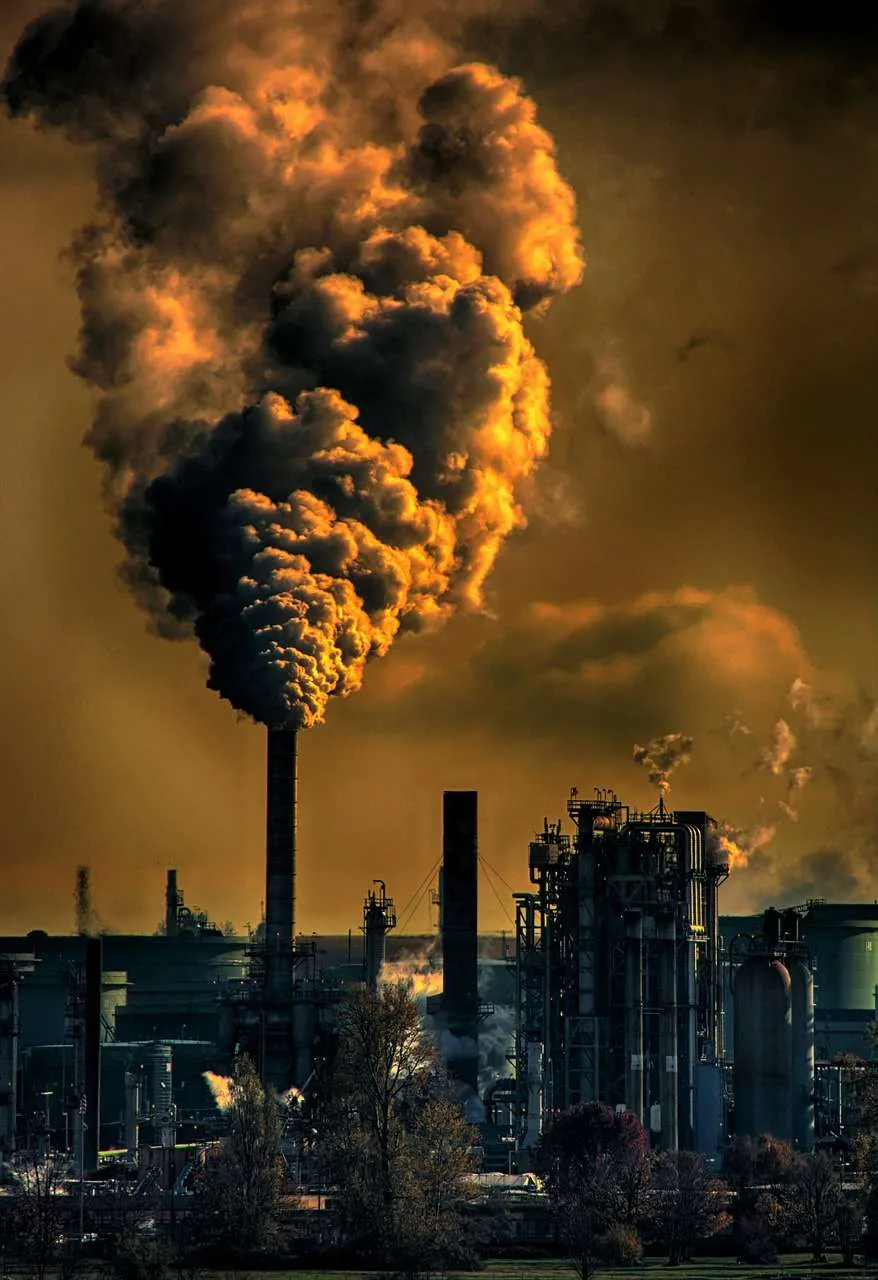
The global biosphere provides the foundational ecological capital necessary for all life on Earth. Yet despite its indispensable role, our natural heritage remains severely imperiled by systemic unlawful exploitation. Environmental crime has emerged as one of the most perilous, multifaceted threats confronting ecological equilibrium, public health, and sovereign rule of law.
Spanning illegal wildlife trafficking, illegal logging, toxic waste dumping, and illicit corporate pollution, environmental crimes now constitute the fourth-largest global criminal enterprise—trailing only narcotics trafficking, counterfeiting, and human trafficking. In developing nations such as Bangladesh, where dense populations coexist alongside fragile riverine and coastal deltas, these crimes trigger catastrophic societal consequences.
Defining Environmental Crime: Juridical and Institutional Perspectives
Fundamentally, environmental crime encompasses any unlawful act or omission that breaches environmental statutes and directly inflicts severe harm upon natural ecosystems, biodiversity, or public health.
A comprehensive jurisprudential treatise on the core tenets of environmental governance: the Precautionary Principle, Polluter Pays, Sustainable Development, Intergenerational Equity, and Public Participation.
The United Nations Office on Drugs and Crime (UNODC) categorizes environmental crime across four primary vectors: (1) illicit environmental pollution and hazardous waste dumping, (2) illegal wildlife trade and poaching, (3) illegal timber harvesting and forestry trade, and (4) illegal, unreported, and unregulated (IUU) fishing. The European Union frames environmental crime as "a breach of environmental legislation committed intentionally or recklessly with significant adverse effects on the environment and human health."
At the municipal level, statutory frameworks codify these violations. In Bangladesh, the Bangladesh Environment Conservation Act, 1995 defines pollution as "the introduction by man, directly or indirectly, into the environment of substances or energy which may cause harm to human health or living resources and ecosystems," prescribing strict penal consequences including administrative fines, facility closures, and custodial sentences.
What is Environmental Harm? Nature, Typologies, and Protective Measures
Publish Your Research & Critical Analysis on MaroonPaper
Contribute in-depth essays on law, political philosophy, economics, and geopolitics to an intellectual readership.
Typologies of Environmental Crime
Environmental crimes broadly bifurcate into two interlinked categories: the illegal wildlife and natural resource trade, and unauthorized industrial pollution.
1. The Illicit Wildlife and Forestry Trade
- Poaching: The unlawful slaughter or capture of protected species. Driven by lucrative transnational black markets, megafauna such as African elephants, rhinoceroses, and Bengal tigers face existential peril over ivory, horn, and bone derivatives.
- Transnational Wildlife Trafficking: Generating upwards of $23 billion annually, sophisticated syndicates smuggle exotic reptiles, live birds, pangolin scales, and mammals across international borders under atrocious conditions.
- IUU Marine Fishing: Decimating pelagic fisheries through industrial overharvesting, bottom trawling in marine reserves, and the deployment of prohibited monofilament gillnets.
- Illegal Logging and Deforestation: Unregulated commercial timber extraction ravages pristine rainforests—including the Amazon, Congo Basin, and Southeast Asian mangroves—triggering severe habitat fragmentation and accelerated carbon releases.
- Commercial Bushmeat and Exotic Pet Trade: Unsustainable harvest of wild game and poaching of rare avian species for domestic and international luxury ownership.
2. Environmental Pollution and Toxic Contamination
- Industrial Air Pollution: Unpermitted atmospheric release of particulate matter ($PM_{2.5}$, $PM_{10}$), sulfur dioxide, and heavy metal vapors from unregulated brick kilns, coal-fired generators, and petrochemical factories.
- Aquatic and Riverine Contamination: The direct discharge of untreated chemical effluent, untreated municipal sewage, and non-biodegradable microplastics into freshwater ecosystems and littoral zones.
- Soil and Agricultural Degradation: Uncontrolled chemical dumping and the application of prohibited synthetic pesticides, stripping topsoil fertility and bioaccumulating in human food chains.
- Hazardous and Radioactive Waste Dumping: Transboundary shipping of electronic waste (e-waste), chemical sludges, and radioactive residues to countries with lax regulatory oversight.
Socioeconomic and Ecological Impacts
Environmental crime exerts compound, generational damages estimated at up to $258 billion annually:
- Biodiversity Collapse: The World Wildlife Fund (WWF) Living Planet Index reveals an average 69% decline in global monitored wildlife populations since 1970, propelled largely by habitat destruction and commercial poaching.
- Public Health Crises: Carcinogenic groundwater pollution and toxic air inversions trigger millions of premature mortalities each year, alongside escalating rates of respiratory failure, congenital anomalies, and organ toxicity.
- Economic Destabilization: Developing economies suffer catastrophic revenue losses in eco-tourism, sustainable forestry, and artisanal fisheries.
- Accelerating Climate Destabilization: Unlawful clear-cutting of carbon sinks and unregulated greenhouse gas emissions exacerbate planetary warming, triggering severe meteorological disruptions.
Enforcement Dilemmas and Regulatory Accountability
Apprehending environmental offenders requires coordinated multilateral cooperation between customs, intelligence, judiciaries, and naval forces. Multilateral conventions—including the Basel Convention on the Transboundary Movement of Hazardous Wastes, the Convention on International Trade in Endangered Species (CITES), and the UN Convention against Transnational Organized Crime—provide governing treaties.
An exhaustive jurisprudential and ecological examination of environmental harm: analyzing toxic spills, deforestation, regulatory liability frameworks (CERCLA, EU Directives), and institutional conservation mechanisms.
In Bangladesh, the Department of Environment (DoE) and environmental courts (Environment Courts Act, 2010) bear statutory enforcement authority. However, institutional hurdles—chronic understaffing, laboratory deficit, jurisdictional fragmentation, and political interference—frequently undermine deterrent prosecution.
Sources of Environmental Law: Treaties, Customary Principles, and Domestic Statutes
Strategic Roadmap: Combating Environmental Crime
Countering environmental crime demands a robust, multidimensional framework:
- Strengthening Statutory Sanctions: Upgrading environmental violations to predicate offenses under anti-money laundering statutes, accompanied by severe mandatory minimum penalties and corporate asset forfeiture.
- Civic Awareness and Community Stewardship: Mobilizing civil society, investigative journalism, and indigenous community monitoring to report illicit activities in vulnerable ecological corridors.
- Promoting Sustainable Circular Development: Embedding strict carbon accounting, environmental impact assessments (EIA), and the "Polluter Pays" principle within all infrastructure planning.
- Corporate Due Diligence and Green Governance: Mandating verifiable environmental audits, corporate social responsibility compliance, and strict supply chain transparency.
Conclusion
Environmental crime is not a victimless transgression; it is a profound assault on the ecological foundations that sustain human civilizational longevity. Confronting this existential threat requires political will, judicial vigilance, and unwavering international collaboration to ensure that ecological pillage is met with swift and unyielding accountability.