

Among the most pressing existential challenges of the Anthropocene is the accelerating degradation of the biosphere through systemic environmental harm. While "environmental crime" denotes conduct that breaches explicit statutory prohibitions, "environmental harm" represents a broader juridical and ecological concept encompassing physical injury, ecological degradation, or resource depletion inflicted upon natural ecosystems by anthropogenic activity.
Whether manifested in catastrophic industrial disasters such as the 1989 Exxon Valdez oil spill and the Flint water crisis, or diffuse planetary pressures like deforestation and aquifer depletion, environmental harm demands rigorous legal definition, strict liability regimes, and robust conservation mechanisms.
Defining Environmental Harm: Jurisprudential Frameworks
Environmental harm spans physical injury, chemical degradation, and functional impairment of natural biomes, species habitats, and human health:
A comprehensive jurisprudential treatise on the core tenets of environmental governance: the Precautionary Principle, Polluter Pays, Sustainable Development, Intergenerational Equity, and Public Participation.
- United States Jurisprudence (CERCLA): Under the Comprehensive Environmental Response, Compensation, and Liability Act, environmental injury is codified as "any damage or destruction of natural resources, including the loss of ecosystem services and profits, resulting from the release of hazardous substances."
- European Union Law (Environmental Liability Directive): The EU defines environmental damage as "a measurable adverse change in a natural resource or measurable impairment of a natural resource service," holding commercial operators strictly liable under the "Polluter Pays" principle for damages to protected species, natural habitats, water resources, and land.
- Bangladesh Legal Framework: Under Section 2 of the Bangladesh Environment Conservation Act, 1995, environmental pollution and harm denote "any adverse effect on the environment, including harm to human health, damage to flora and fauna, impairment of ecosystem functions, and interference with legitimate uses of the natural environment caused by environmental pollutants."
What is Environmental Crime? Types, Impacts, and Remedial Strategies
Typologies of Environmental Harm
Environmental damage operates across distinct ecological vectors:
Publish Your Research & Critical Analysis on MaroonPaper
Contribute in-depth essays on law, political philosophy, economics, and geopolitics to an intellectual readership.
1. Pollution of Natural Media
- Atmospheric Contamination: The accumulation of sulfur dioxide ($SO_2$), nitrogen oxides ($NO_x$), and particulate matter ($PM_{2.5}$), driving acid precipitation and respiratory epidemics.
- Aquatic Contamination: Untreated industrial effluents, agricultural fertilizer runoff inducing eutrophication, and heavy metal accumulation poisoning freshwater and marine food chains.
- Pedospheric Contamination: Soil acidification, persistent organic pollutants (POPs), and microplastic infestation degrading soil microbiomes and food security.
2. Habitat Fragmentation and Ecosystem Destruction
- Deforestation: Large-scale commercial logging and cattle ranching tearing through biodiversity hotspots such as the Amazon basin and Southeast Asian mangroves, eliminating critical carbon sinks.
- Uncontrolled Urbanization: Encroachment on wetlands and natural flood basins, exacerbating catastrophic urban flooding and heat-island effects.
- Monocultural Agriculture: Industrial chemical intensive farming stripping ecological resilience and triggering severe pollinator decline.
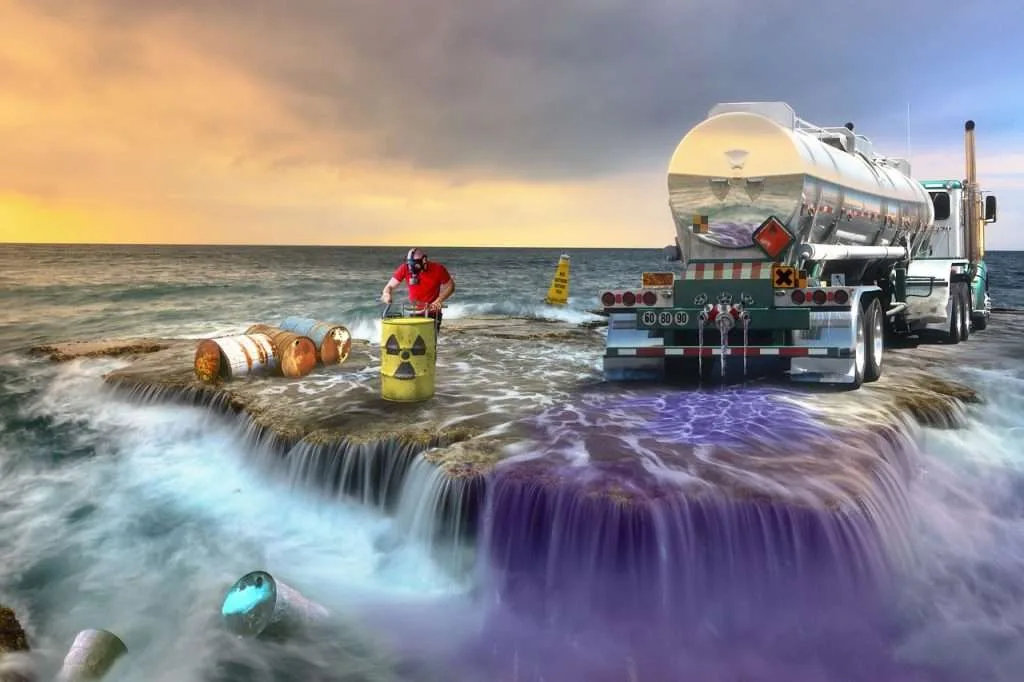
3. Overexploitation of Finite Ecological Capital
The unsustainable extraction of fossil fuels, deep groundwater aquifers, and marine fisheries surpasses planetary regenerative capacity, creating irreversible ecological deficits.
Compound Impacts on Human Society and Biosphere Stability
The repercussions of environmental harm cascade across three interconnected realms:
Ranked as the fourth-largest global illicit enterprise generating up to $258 billion annually, environmental crime threatens ecological stability and planetary health. An analysis of wildlife trafficking, toxic dumping, legal frameworks, and regulatory enforcement.
- Epidemiological Crises: Chronic inhalation of carcinogens and ingestion of lead-tainted water (as observed during the Flint water tragedy) trigger neurological disorders, developmental delays in children, and chronic pulmonary disease.
- Macroeconomic Depletion: Natural capital depreciation directly undermines agricultural output, coastal fisheries, and ecotourism while burdening public treasuries with remediation and disaster relief costs.
- Societal Inequity and Environmental Injustice: Vulnerable and marginalized communities disproportionately reside adjacent to hazardous waste facilities and contaminated river basins, suffering environmental racism without legal recourse.
Institutional Accountability: State and Corporate Obligations
Effective prevention requires clear institutional apportionment of liability:
- State Regulatory Agencies: Environmental protection bodies (such as the EPA in the United States and the Department of Environment in Bangladesh) bear statutory duties to enforce environmental quality standards, perform Environmental Impact Assessments (EIA), and sanction non-compliant industrial facilities.
- Corporate Due Diligence: Corporations must internalize ecological costs through strict circular economy practices, mandatory environmental disclosure, and corporate liability for historical contamination.
- Judicial Oversight: National courts and international tribunals (such as the Permanent Court of Arbitration and regional human rights courts) play an essential role in recognizing clean ecosystems as a fundamental right.
Remedial Strategies and Conservation Roadmap
Protecting ecological integrity requires a combination of regulatory rigor and technological modernization:
- Accelerating Decarbonization: Rapidly transitioning energy grids toward renewable solar, wind, and geothermal infrastructure to curb greenhouse gas concentrations.
- Nature-Based Solutions and Rewilding: Restoring degraded wetlands, enforcing protected forest corridors, and regenerating mangroves as natural storm buffers.
- Enforcing Strict Penal and Civil Liability: Applying severe custodial sentences for deliberate toxic dumping alongside mandatory restoration funds (restitution) funded by polluters.
- Public Participation and Citizen Science: Guaranteeing public access to environmental information and protecting environmental whistleblowers.
Conclusion
Environmental harm represents not merely a technical challenge, but an existential crisis threatening the planetary life-support systems of human civilization. Safeguarding our biosphere demands transforming environmental protection from an afterthought into a paramount constitutional and legal imperative across all sectors of society.