

Intellectual Property (IP) refers to assets derived from the intellectual and creative labor of individuals. It provides legal safeguards for a person's creative concepts, innovations, and novel works, shielding them against unauthorized exploitation. In this article, we examine the nature of intellectual property and why it is indispensable to the creative process. Furthermore, we provide a comprehensive analysis of the various classifications of intellectual property, including patents, trademarks, copyrights, and industrial design rights.
What is Intellectual Property?
Intellectual property is the harvest of human creative and cognitive labor, predicated upon the ideas, research, or artistic output of an individual or institution. Though an intangible asset, its economic and social value is immense. Intellectual property secures those inventions, creative works, symbols, nomenclature, imagery, or concepts that are both novel and the product of intellectual exertion. According to the definition provided by the World Intellectual Property Organization (WIPO), intellectual property encompasses the creative ideas, innovations, designs, artistic works, literature, and symbols that merit legal protection and possess commercial or fiscal value. Intellectual property is divided into various categories, each designed to protect specific forms of creative output.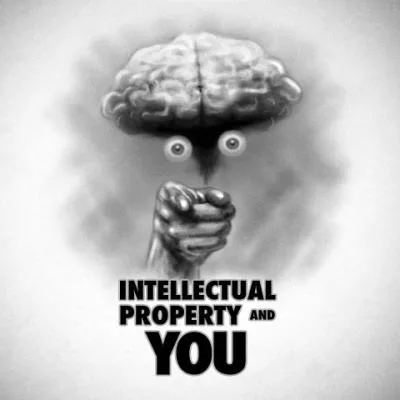
Classifications of Intellectual Property
Intellectual property is categorized to safeguard diverse fields of innovation and creativity. The WIPO defines the primary domains of intellectual property as patents, trademarks, copyrights, and other specialized designations. According to WIPO, intellectual property is bifurcated into two major pillars:
1. Industrial Property
Industrial property predominantly encompasses technical innovations, commercial identifiers, designs, and operational processes. This category includes patents, trademarks, industrial designs, geographical indications, and trade secrets. It consists of the following:
- Patents
A patent is a form of protection granted for novel inventions. It accords the inventor exclusive rights to utilize their specific technology or product. By patenting an invention, the creator can legally prohibit others from manufacturing, selling, or utilizing the innovation without authorization. For instance, an individual who develops a novel pharmaceutical compound may secure it via a patent, thereby barring other entities from its unauthorized use.
- Trademarks
A trademark is any symbol, word, name, logo, or mark that identifies a specific product or service, distinguishing it from those offered by competitors. Trademarks are essential for establishing brand identity and maintaining a company's market reputation and equity. For example, the name and logo of Apple or Microsoft are registered trademarks, which set their offerings apart from those of their rivals.
Parliament may amend the Constitution, but it cannot dismantle its foundational architecture. An analytical inquiry into the judicial evolution of Bangladesh's Basic Structure Doctrine from Anwar Hossain Chowdhury to the Sixteenth Amendment.
- Industrial Designs
An industrial design pertains to the external configuration or aesthetics of a product—its shape, color, and finish. When a design is novel, it can be protected through Industrial Design Rights. Such protection is vital in industries such as fashion, furniture, automotive manufacturing, electronics, and product packaging. By securing an industrial design, the originator is shielded from infringement, ensuring they are rewarded for their creative contribution.
- Geographical Indications (GI)
A Geographical Indication (GI) denotes a product’s reputation, quality, or characteristics derived specifically from its place of origin. GI status is linked to a product's natural attributes or traditional methods of production. For instance, Bangladeshi "Jamdani" sarees or "Sylheti Tea" are registered as geographical indications, recognized for their regional specificity and internationally protected status.
- Trade Secrets
A trade secret comprises confidential information that provides an individual or organization with a competitive edge. This may involve technical knowledge, processes, or business strategies that remain undisclosed as a security measure. For instance, the proprietary recipe for Coca-Cola remains a closely guarded trade secret, protected from the encroachment of competitors.
2. Copyright
Copyright is a legal right granted to authors, artists, musicians, and filmmakers, providing them with exclusive control over their creative output. Literary works, music, cinema, visual arts, theater, and digital media fall under the purview of copyright. It grants the creator absolute control over the use, dissemination, and reproduction of their work. For instance, an author may protect their book via copyright, legally prohibiting its republication without consent. This includes:
- Literary Works: Books, poetry, drama, etc.
- Musical Works: Songs, scores, or compositions.
- Films and Visual Arts: Cinema, painting, photography, etc.
- Digital Media & Software: Computer programs, software, and digital content.
Why is Intellectual Property Important?
The primary rationale for safeguarding intellectual property is the incentivization of innovation and creativity. By assigning value to the works of inventors and artists, and protecting them from plagiarism or misuse, IP fosters personal and economic prosperity as well as social progress. Below are several reasons why intellectual property remains vital:
Publish Your Research & Critical Analysis on MaroonPaper
Contribute in-depth essays on law, political philosophy, economics, and geopolitics to an intellectual readership.
- Encouraging Creativity and Innovation
Through IP protections, innovators secure exclusive rights to their labor, serving as a catalyst for continued creative pursuit. Without such security, the pervasive threat of intellectual piracy would likely deter potential innovators from venturing into new creative territory.
- Maintaining Market Equilibrium
Intellectual property protection establishes a fair competitive environment by granting innovators temporary exclusivity. This allows multiple companies to compete based on the merit of their unique offerings, promoting market diversity and innovation.
- Economic Development and Employment
IP protection enables creators to monetize their work, playing a critical role in economic advancement. Through patents and industrial designs, new industries emerge, creating significant employment opportunities and enriching both domestic and global economies.
- Facilitating Product Development
The security provided by IP laws necessitates increased investment in research and development. Innovators can commit to long-term research with the assurance that their output is legally shielded.
- Preservation of Culture and Knowledge
Copyright functions as a repository for literature, music, and film. It ensures the longevity of cultural works and guarantees that artists are recognized and compensated for their intellectual contributions.
A right without an enforceable remedy is an empty promise. Rooted in the maxim ubi jus ibi remedium, this jurisprudential study examines how Part III of the Bangladesh Constitution, Article 44, and the High Court Division's writ jurisdiction under Article 102 operationalize fundamental freedoms.
Challenges and Limitations
In the current digital age, intellectual property has become a matter of paramount importance. Protecting IP is essential for individuals and corporations, as it serves as a defense against the appropriation of creative and innovative achievements.
Despite its importance, intellectual property faces significant challenges. IP protection can be prohibitively expensive, placing it out of reach for many independent artists and inventors. Furthermore, the advent of the internet has facilitated widespread copyright infringement. Digital platforms have made content piracy increasingly easy, creating a pervasive issue for creative professionals.
What is Res Judicata? Conditions of Res Judicata and Constructive Res Judicata
Limitations of Intellectual Property
Intellectual property is subject to specific constraints, including:
- Temporal Limits: Protection is finite. For literary, musical, and artistic works, copyright typically persists for 70 years following the creator's death. Patents generally carry a term of 20 years.
- Public Domain: Upon the expiration of protection, works enter the public domain, allowing for their use by any party without the need for licensing or royalty payments.
- Fair Use: The doctrine of "Fair Use" permits the use of copyrighted material under limited circumstances, such as for criticism, commentary, news reporting, teaching, scholarship, or research.
- Legal Complexity: Determining the validity and enforceability of IP rights can be a complex, litigious process, often requiring the guidance of legal experts.
Intellectual Property Laws in Bangladesh and Safeguards
Bangladesh maintains a legislative framework to protect intellectual property, notably the Patent Act, the Copyright Act, and the Trademark Act. The Department of Patents, Designs and Trademarks (DPDT) is tasked with the implementation and oversight of these statutes. Furthermore, the Bangladesh government is a signatory to international treaties, such as the World Trade Organization’s (WTO) TRIPS Agreement, which plays a pivotal role in enforcing IP standards. Measures for protecting intellectual property include:
- Copyright Registration: For literature, music, and art, registration is a prudent step. It extends protections and simplifies legal recourse in cases of infringement.
- Patent Registration: Vital for inventors, registration secures exclusive rights to the utilization of an invention.
- Trademark Registration: Essential for brand names and logos to guarantee exclusive usage rights.
- Digital Watermarking: A technology that embeds invisible identifiers into digital assets, facilitating the identification of copyright violators.
- Legal Counsel: Seeking expert advice is crucial, as legal specialists can navigate the nuances of IP protection and enforcement.
While the safeguarding of intellectual property is a challenging endeavor, it remains a cornerstone of a creative economy. By proactively adopting protective measures, individuals and organizations can effectively secure the results of their ingenuity and innovation.