
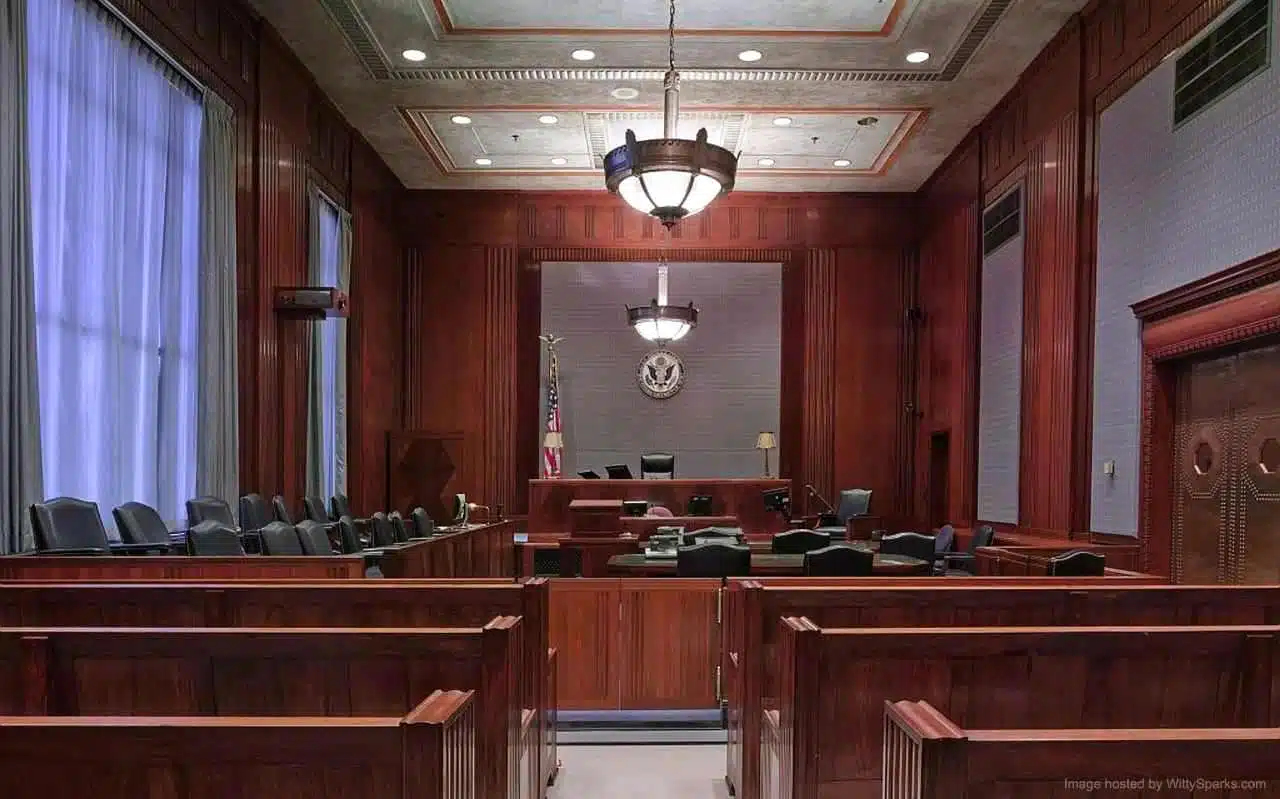
A venerable maxim of jurisprudence asserts: Vigilantibus non dormientibus jura subveniunt—the law assists the vigilant, not those who slumber on their rights. In civil adjudication, a party seeking judicial relief is expected to prosecute their cause with diligence. The procedural consequences of the Appearance and Non-Appearance of Parties are codified under Order IX of the Code of Civil Procedure (CPC), 1908. The fundamental objective of this statutory framework is to prevent the abuse of the civil justice system by litigants who fail to pursue their suits diligently while safeguarding due process through proper service of summons.
Procedural Bifurcation under Order IX
The substantive consequences under Order IX generally resolve into two primary judicial outcomes:
Parliament may amend the Constitution, but it cannot dismantle its foundational architecture. An analytical inquiry into the judicial evolution of Bangladesh's Basic Structure Doctrine from Anwar Hossain Chowdhury to the Sixteenth Amendment.
- Dismissal of the Suit: Occasioned primarily by the plaintiff's default (non-appearance, failure to pay process fees, or failure to apply for fresh summons).
- Ex-Parte Decree / Proceedings: Occasioned when the defendant fails to appear despite due service of summons.
In either circumstance, the restoration of the suit or the setting aside of an ex-parte order is strictly contingent upon proving that the absence was neither willful nor negligent, but founded on "sufficient cause."
General Rule: Attendance on the Day Fixed (Rule 1)
Under Order IX, Rule 1, both plaintiff and defendant are legally obligated to appear before the court on the date appointed in the summons—either in person or represented by recognized pleaders. Unless the court grants a formal adjournment, the preliminary hearing or proceedings commence on that appointed date.
Publish Your Research & Critical Analysis on MaroonPaper
Contribute in-depth essays on law, political philosophy, economics, and geopolitics to an intellectual readership.
Non-Service of Summons in Consequence of Plaintiff's Default (Rule 2 & Rule 5)
Due service of summons represents the cornerstone of natural justice. Under Rule 2, if it is demonstrated that the summons could not be served upon the defendant because the plaintiff failed to deposit the requisite court fees or postal process charges, the court may dismiss the suit.
Exception: If the defendant appears in person or through an authorized pleader on the appointed date despite defective service, the defect is cured, and the suit cannot be dismissed under Rule 2.
A right without an enforceable remedy is an empty promise. Rooted in the maxim ubi jus ibi remedium, this jurisprudential study examines how Part III of the Bangladesh Constitution, Article 44, and the High Court Division's writ jurisdiction under Article 102 operationalize fundamental freedoms.
Under Rule 5, where a summons is returned unserved and the plaintiff fails to apply for a fresh summons within one month, the court shall dismiss the suit as against that unserved defendant, unless the plaintiff demonstrates diligent inquiry, evasion by the defendant, or sufficient cause justifying an enlargement of time.
Procedural Matrix: Outcomes of Non-Appearance
| Plaintiff's Status | Defendant's Status | Procedural Order | Legal Remedy |
|---|---|---|---|
| Present | Present | Suit Proceeds on Merits | Regular Adjudication |
| Present | Absent (Summons Duly Served) | Ex-Parte Hearing (Rule 6) | Application to Set Aside Ex-Parte Decree under Rule 13 / 13A |
| Absent | Present | Dismissal of Suit (Rule 8) | Application to Set Aside Dismissal under Rule 9 / 9A |
| Absent | Absent | Dismissal of Suit (Rule 3) | Fresh Suit or Application under Rule 4 |
Setting Aside Dismissals and Ex-Parte Decrees
An order of dismissal under Order IX is not an adjudication on merits and does not constitute a "decree" under Section 2(2); hence, no first appeal lies under Section 96. Instead, specific statutory avenues are provided:
- Rule 4: Where a suit is dismissed under Rule 2 (non-payment of fees) or Rule 3 (neither party appearing), the plaintiff may either institute a fresh suit (subject to limitation) or apply to have the dismissal set aside upon showing sufficient cause.
- Rule 9 / 9A: Where a suit is dismissed under Rule 8 due to the plaintiff’s absence while the defendant appears, the plaintiff is barred from bringing a fresh suit on the same cause of action. However, they may apply under Rule 9 or Rule 9A for an order to set the dismissal aside.
- Rule 13 / 13A: A defendant against whom an ex-parte decree has been passed may petition the trial court to set it aside by satisfying the court that the summons was not duly served or that they were prevented by sufficient cause from appearing.
Conclusion
Order IX balances procedural efficiency with equitable justice. While penalizing dormant and negligent litigants through default dismissals and ex-parte decrees, it preserves robust remedies for diligent parties who suffer unexpected misfortunes, ensuring that substantive justice is not sacrificed at the altar of technical rigidity.