

What is an Industrial Design?
An industrial design refers to the ornamental or aesthetic aspect of an article—encompassing its shape, configuration, color, pattern, or a combination thereof. Primarily, it protects the visual elements of a product. Common examples span furniture, electronic devices, household appliances, and even intricate packaging designs. According to the World Intellectual Property Organization (WIPO), an industrial design is "the ornamental or aesthetic aspect of an article," which may be three-dimensional or two-dimensional. It determines a product's attractiveness, distinctiveness, and overall marketability. We encounter iconic industrial designs in our daily lives—from the sleek architecture of mobile phones and the aerodynamic silhouettes of automobiles to distinctive bottle packaging. Apple’s iPhone and the futuristic aesthetic of Tesla vehicles serve as quintessential examples of the power of industrial design.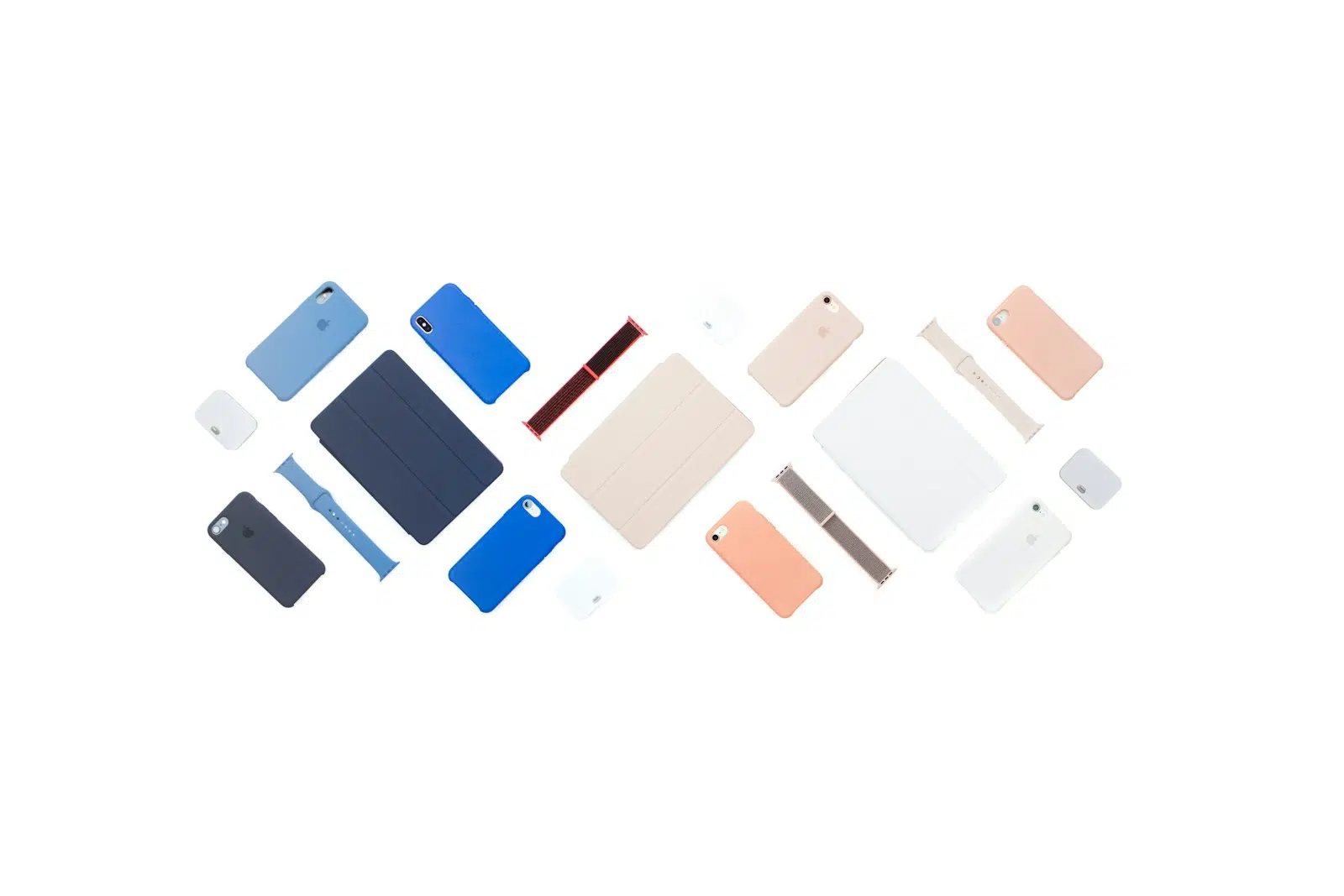
Trademark: What is it, why is it necessary, and how can it be protected?
Industrial design grants protection to the aesthetic features of a product. It serves to distinguish one product from another, thereby enhancing marketability. While often conflated with patents and copyrights, the distinctions are substantive. A patent protects technical, functional, or inventive innovations, whereas a trademark protects brand symbols, logos, or identifiers. Conversely, industrial design protects the visual, non-functional characteristics of an object. For example, while the mechanics of an engine might be patentable, the specific exterior design of that engine would fall under the purview of industrial design.Landmark Cases in Industrial Design
Globally, several high-profile legal battles have defined the scope of industrial design protection. In *Adidas vs. Thom Browne*, the court addressed whether the stripe patterns on Thom Browne’s apparel infringed upon Adidas’s iconic design trademark, highlighting how visual components of a brand represent critical legal assets. Similarly, in *Crocs Canada v. Double Diamond*, the court affirmed the strength of industrial design rights, ruling that the unauthorized imitation of a product's distinctive shape constituted an infringement.What are the steps to register a trademark in Bangladesh?
The case of *Honda vs. Hebei Shuanghuan Auto* further underscores the necessity of these protections, as Honda successfully litigated against the unauthorized replication of their vehicle designs, cementing the role of courts in defending proprietary aesthetics.Conditions for Registration
Pursuant to Sections 4 and 5 of the Bangladesh Industrial Design Act, 2023, specific criteria must be met to qualify for registration.Criteria for Registration
Under Section 5 of the Act, a design must possess "novelty" and be "original"—it must be distinct, industrially producible, and functional in its application. Certain words, letters, or symbols may be registered, provided they meet the requisite statutory thresholds.What is a Patent? What can be patented?
Non-Registrable Designs
Section 4 of the Bangladesh Industrial Design Act, 2023 expressly excludes certain designs from registration: * Designs dictated solely by technical function that lack aesthetic or ornamental value. * Designs contrary to public order, morality, or the environment. * Designs incorporating national emblems. * Designs that have already entered the public domain or have been previously disclosed. These exclusions are designed to ensure that intellectual property law rewards authentic innovation rather than monopolizing utility.Infringement and Remedies
Securing legal protection for industrial designs is vital for commercial viability. Under the 2023 Act, a registered design is granted protection for an initial term of 10 years, renewable for three additional five-year terms upon payment of the prescribed fees. Should a third party infringe upon a registered design—whether by unauthorized replication, unlicensed use, or the modification of essential components—the proprietor may seek legal recourse. Under Section 22, the proprietor can initiate administrative proceedings to claim compensation. If infringement is proven, the state may order the confiscation of the infringing goods. If the violator fails to comply, Section 23 permits the aggrieved party to file a lawsuit in a court of competent jurisdiction. Under Section 25, the court may award damages ranging from 100,000 to 1,000,000 BDT, in addition to issuing permanent injunctions and ordering the seizure or destruction of illicit products.What is Intellectual Property and why is it important?
Furthermore, for international protection, the Hague Agreement provides a streamlined mechanism for protecting designs across multiple jurisdictions. Businesses in Bangladesh aiming to scale globally should leverage this treaty to secure their intellectual assets. Ultimately, industrial design is an indispensable asset in a competitive market. By securing registration, businesses insulate themselves against the threat of imitation and ensure that their creative output remains a protected, profitable, and enduring component of their brand identity.