

What are the Geneva Conventions?
The Geneva Conventions comprise a series of international treaties that establish the rules for armed conflict, designed to protect the rights of prisoners of war, civilians, the wounded, and the infirm. The architecture of the conventions is primarily composed of four core treaties and three additional protocols. Conceived in 1864 and solidified between 1949 and 2005, these agreements have been ratified by 196 nations. They govern conduct in various spheres of combat, dictating the treatment of medical personnel, facilities, and the vulnerable. The additional protocols provide extended protections for internal conflicts, wars of national liberation, and populations living under occupation. Collectively, they are heralded as the "International Code for Humanitarian Conduct in War."The History of the Geneva Conventions
The Geneva Conventions stand as an enduring witness to humanity’s persistent effort to preserve dignity amidst the cruelty of war. This history is not the product of a single moment, but the result of continuous evolution—forged by the harsh lessons of history. Let us explore the origins of the Geneva Conventions…The Genesis: The Initial Treaty of 1864
The first Geneva Convention was established in 1864, focusing squarely on the protection of wounded soldiers and medical personnel. Witnessing the aftermath of the Battle of Solferino, Henry Dunant was profoundly moved by the agony of the wounded and the dearth of adequate medical care. In his seminal work, *A Memory of Solferino*, he proposed the creation of a neutral humanitarian organization, which would later become the International Committee of the Red Cross (ICRC). Consequently, the 1864 Convention marked the first formal recognition of humanitarian principles during military conflict, signed by 12 nations. It established foundational rules for medical aid and recognized the Red Cross emblem as a symbol of neutrality and protection.Original Text of the First Geneva Convention
Key Features of the First Geneva Convention
* Neutral systems for the treatment of wounded soldiers on the battlefield. * Security for medical personnel and hospitals. * The first international recognition of the "Red Cross" emblem. The 1906 revision expanded these rules, ensuring superior medical care and enhanced hospital security. Later, the 1929 amendment addressed the plight of Prisoners of War (POWs), laying the groundwork for the Third Geneva Convention by mandating humane treatment and decent living conditions.The Four Conventions of 1949: A Modern Framework
Following the catastrophic experience of the Second World War, the Geneva Conventions were re-established in 1949 under a robust, modern framework:The First Geneva Convention
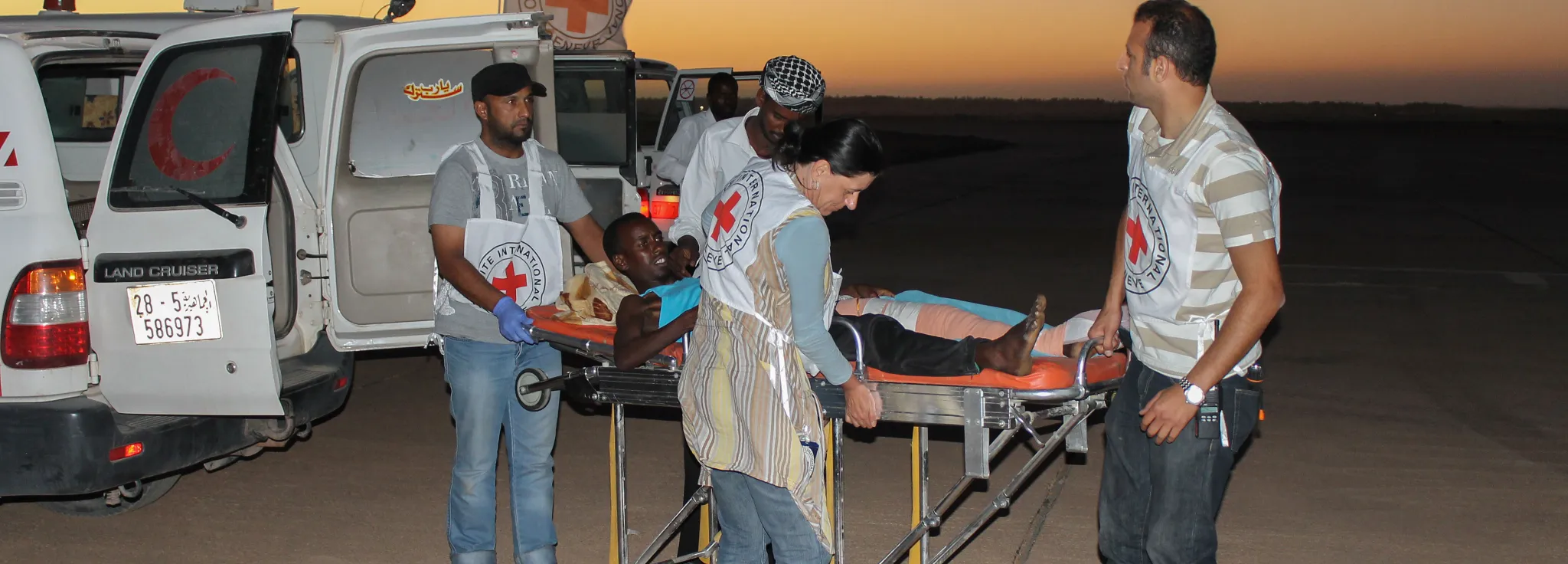
The First Geneva Convention formally codified the protection of wounded and sick soldiers on land, establishing medical care as a fundamental right during wartime. **Key Principles:** * **Neutrality of Medical Personnel:** Doctors and hospitals must be treated as neutral and are immune from attack. * **Obligation to Care:** Parties to a conflict are bound to treat the wounded without discrimination based on nationality or allegiance. * **Protection of Emblems:** The Red Cross and Red Crescent emblems must be respected as markers of neutrality. * **Identification of the Fallen:** Following battles, the dead must be identified, and their remains and personal effects returned to their families.The Second Geneva Convention
This Convention extends the principles of the first to maritime warfare, protecting wounded, sick, and shipwrecked military personnel at sea. **Key Principles:** * **Rescue and Protection:** All parties are obligated to rescue shipwrecked personnel and treat them humanely. * **Protection of Hospital Ships:** Ships bearing the Red Cross emblem are deemed neutral. * **Naval Blockades:** Protection for the wounded must be maintained even during blockades. * **Prohibition on Attacks:** Attacking medical vessels is strictly prohibited.What is AIPAC? Israel's Influence on U.S. Politics
The Third Geneva Convention
The Third Convention enshrines the human rights of Prisoners of War, ensuring their protection from the moment they are captured. **Key Principles:** * **Humane Treatment:** Torture, humiliation, and abuse are strictly forbidden. * **Adequate Living Conditions:** Captors must provide sufficient food, clothing, medical care, and shelter. * **Right to Communication:** Prisoners retain the right to contact their families and receive relief. * **Limitations on Interrogation:** Prisoners are only obligated to provide their name, rank, and identification number. * **Repatriation:** At the cessation of hostilities, prisoners must be released and repatriated without delay.The Fourth Geneva Convention
The Fourth Convention focuses on the protection of civilians, particularly in war zones and occupied territories. **Key Principles:** * **Security in Occupied Territories:** Civilians must be protected, and their property must not be destroyed. * **Prohibition of Hostage-Taking:** The taking of hostages and collective punishment are forbidden. * **Humanitarian Access:** Humanitarian aid must be granted unimpeded access to civilians. * **Respect for Fundamental Rights:** Cruel treatment, enslavement, and arbitrary detention are prohibited. * **Wartime Siege Protection:** Parties must ensure that civilians in besieged areas receive essential food, water, and medical aid.Additional Protocols
Recognizing the shifting nature of conflict, particularly the rise of internal armed struggle, three additional protocols were adopted in 1977 and 2005: * Protocol I (1977): Strengthens protections for civilians and civilian infrastructure in international conflicts. * Protocol II (1977): Ensures humane conduct in non-international or civil wars. * Protocol III (2005): Introduced the "Red Crystal" as an alternative neutral emblem.The Significance of the Geneva Conventions
The Geneva Conventions serve as one of the most vital instruments of humanitarian law. They provide a framework that not only limits the brutality of war but also acts as a profound reflection of our collective moral compass.Establishing the Rule of Law in War
The conventions provide a prescriptive policy for warfare, maintaining a baseline of humanity regardless of the political, religious, or ideological motivations of the combatants. By mandating the protection of medical workers and ensuring the humane treatment of captives, the conventions force warring parties to adhere to a minimum ethical standard.Defending Human Dignity
The Fourth Convention, in particular, acts as a bulwark against the mistreatment of the most vulnerable. By prohibiting physical abuse, forcible displacement, and collective punishment, it delivers a clear message: even in the chaos of war, fundamental rights are not negotiable.Universal Obligation
The impact of the conventions transcends their signatories; they are recognized as part of customary international law. This means they are applicable in any armed conflict, regardless of formal ratification. The responsibility for ensuring compliance rests with the ICRC, and these mandates apply equally to state actors and non-state armed groups.Modern Relevance, Limitations, and the Way Forward
The Geneva Conventions remain an indispensable foundation of humanitarian conduct. They are particularly vital in the context of civil wars and internal conflicts, where the civilian population bears the brunt of the suffering. They provide the necessary legal basis for humanitarian access and are the bedrock of the war crimes prosecution framework managed by the International Criminal Court (ICC).Israel is a Rogue State and Should Be Expelled from the UN
However, the limitations of these conventions in the modern age are becoming increasingly acute. The rise of non-state actors who frequently reject international standards poses a significant challenge. Furthermore, the conventions were largely written for conventional battlefield engagement; they are ill-equipped to address the complexities of cyber warfare, automated drone attacks, and the destruction of digital national infrastructure. Compounding this is the persistent lack of accountability for powerful states, which often undermines the credibility of the entire system. To address these challenges, the international community must take decisive action. First, the conventions must be updated to address the reality of contemporary technology, including cyber-warfare. Second, there must be greater pressure on non-state actors to adhere to humanitarian norms. Third, the machinery of international justice—led by the ICC—must be strengthened to ensure that impunity is no longer an option. Finally, ensuring humanitarian access to besieged areas must remain a non-negotiable priority. The Geneva Conventions are more than mere legal documents; they are a moral blueprint for a more civilized world. Their efficacy depends on the collective resolve of states and international bodies. To keep the light of humanity burning even on the bloodiest of battlefields, we must ensure these conventions are as dynamic and resilient as the challenges they seek to mitigate.