What is Democracy?
Democracy is a system of governance in which the citizenry possesses the capacity to participate in decision-making processes. For example, a system in which the determination of who shall lead or which laws and policies shall be enacted is based on the collective preference of the people is fundamentally democratic. The term derives from the ancient Greek words *“demos”* (the people) and *“kratos”* (power), signifying, quite literally, "power of the people."What is a Welfare State? What are the Models and Characteristics of a Welfare State?
In common parlance, democracy is identified by the selection of leadership through free and fair elections. However, true democracy is not merely confined to the ballot box; it also manifests as the exercise of individual rights, free from state interference.
The Forms of Democracy
Democracy can be categorized in various ways, most commonly into direct and representative democracy.· Direct Democracy
Direct democracy is a system where citizens participate directly in the governing process, often through public assemblies and referendums. The ancient Athenian city-state remains the quintessential historical example of this model.· Representative Democracy
Representative democracy is a system in which citizens participate by electing representatives at regular intervals. These representatives are then tasked with legislating and forming the government on behalf of the populace. This is the prevailing model in most modern states. Representative democracy itself is typically divided into two primary systems: 1. Parliamentary systems and 2. Presidential systems.What is the Cold War? Origin, Development, and Current Status
The Principles or Foundations of Democracy
Democratic principles form the bedrock of legitimate governance. Without these, a state cannot lay claim to being a democracy. Key principles include:Citizen Participation
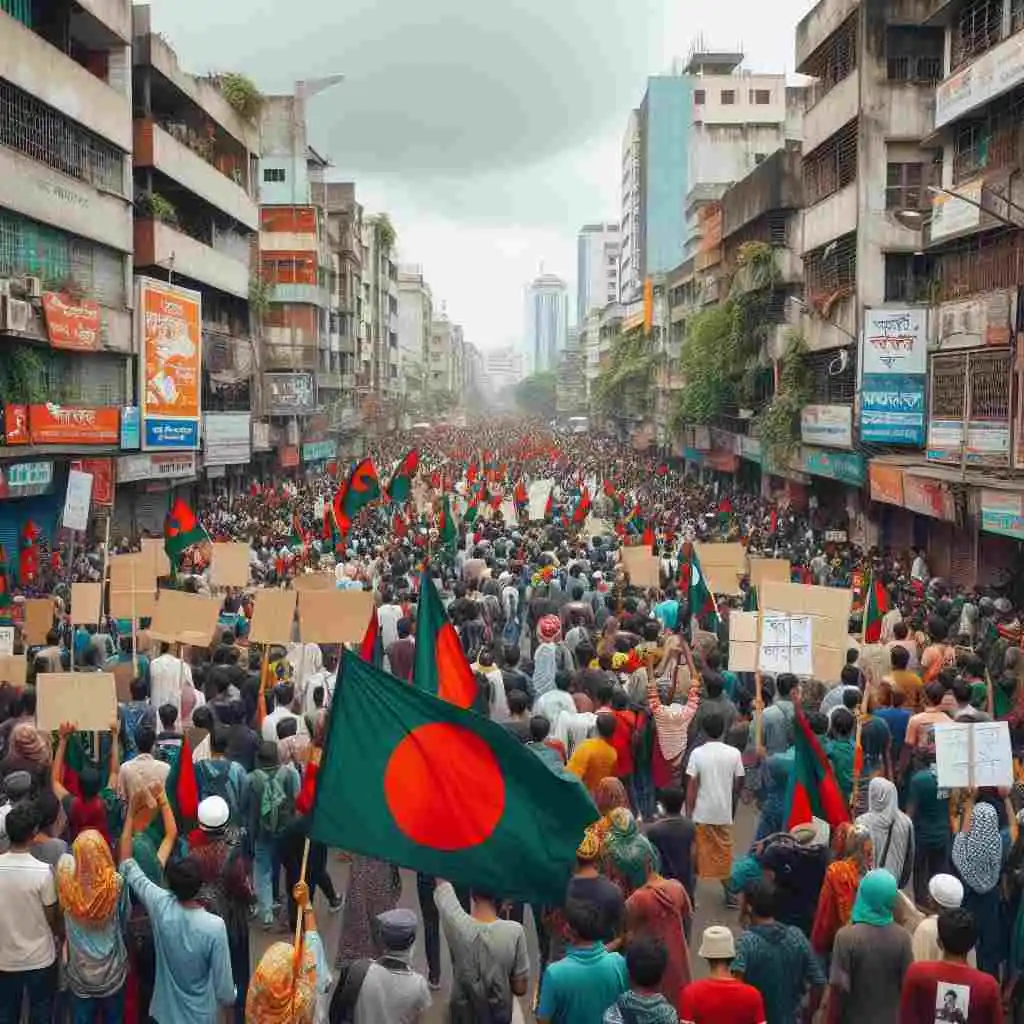
Equality
A hallmark of democracy is the equal treatment of all individuals, regardless of race, religion, gender, or other characteristics. Every citizen possesses an equal right to vote and to have that vote count equally. This universal parity transforms equality from an abstract ideal into an operational reality.Accountability
Citizens vest power in elected officials with the expectation that they will act in the public interest. Accountability mandates that politicians must act responsibly and refrain from abusing power for personal gain. Authoritarian regimes, conversely, often suppress the media and civil society to insulate themselves from such scrutiny.Transparency
Transparency requires that the government’s operations, decision-making, and adherence to regulations be open and clear to the citizenry. The state must be subject to questioning, and there must be mechanisms for journalists and independent observers to access information freely.Political Tolerance
In a democracy, political tolerance is essential. Dissenting opinions are not merely tolerated; they are the beauty of the democratic experiment. If different factions cannot engage with mutual respect, the system collapses. While the majority leads, the rights of the minority must be safeguarded. True democracy thrives not on the exercise of raw power, but on the freedom of every citizen to express their opinion without fear.The 1954 Election: Formation and Victory of the United Front, and the Defeat of the Muslim League
Multi-Party System
Democracy presupposes diversity of thought. Citizens must have the freedom to organize and support political parties according to their ideals. No individual should be forced to adhere to a single ideology. The existence of multiple parties offers voters a genuine choice, and the results of elections determine the peaceful transfer of power.Controlling the Abuse of Power
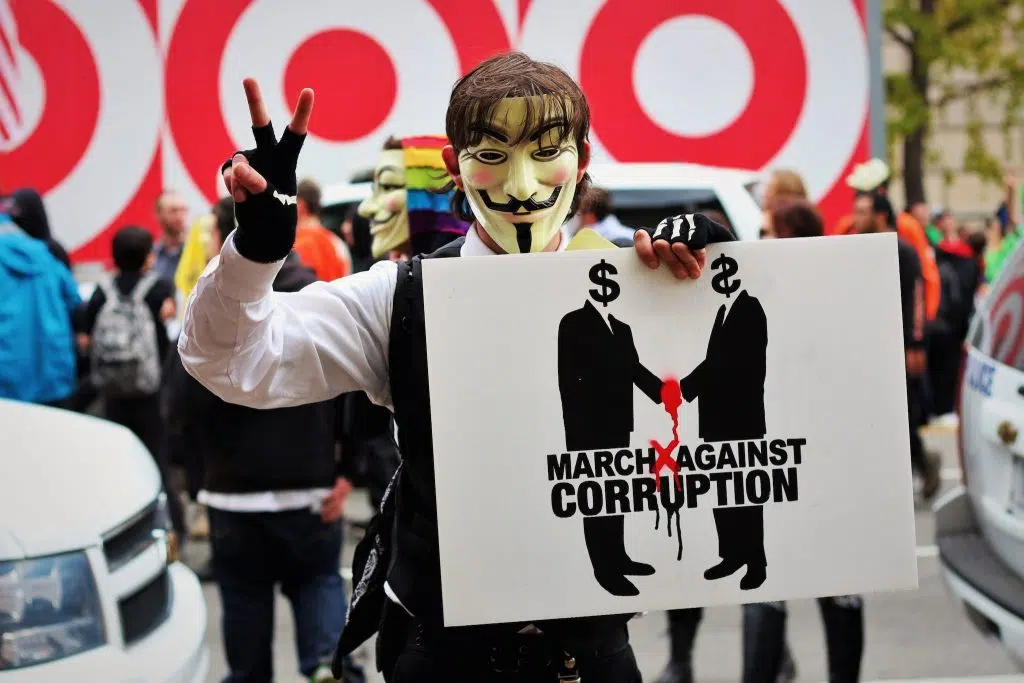
Democracy flourishes when politicians respect the rule of law. Abuse of power occurs when governments act as if they are above the law, or when the state adopts the interests of a select group, or when public funds are diverted into the pockets of corrupt leaders. To protect democracy, power must be decentralized, and the independence of the media and the integrity of elections must be rigorously upheld.Economic Freedom
Democracy inherently respects the individual’s autonomy. Unless an individual violates the law, it is not the role of the government to dictate one's education, profession, or lifestyle. Preserving economic freedom is essential for the development of a robust society and a thriving national economy.Fundamental Rights
The protection of fundamental human rights—such as the right to life, security, justice, and freedom of thought—is a cardinal principle of democracy. These rights are inalienable and essential for human dignity.Human Rights
Human rights are inherent to all human beings, ensuring liberty, justice, and equality. Laws regarding human rights apply universally. Whether social, economic, or political, these rights are vital to the stability and success of any democratic order.Free and Fair Elections
Regular, periodic changes in government are necessary for a functional democracy. Elections must be free and fair; they cannot be manipulated to suit the whims of the incumbent. To ensure this, robust, sovereign institutions must be maintained to oversee the electoral process. Furthermore, those in power must possess the democratic maturity to accept defeat and relinquish office peacefully.Independent Judiciary
An independent judiciary is the ultimate arbiter of democracy. It must hold the powerful and the powerless alike to the same standard of justice. Should the government disregard judicial rulings or weaponize the courts for its own benefit, the democratic fabric will inevitably fray and eventually collapse.The Rule of Law
The rule of law is a system in which every citizen, including government officials, is subject to the law. Without the rule of law, no democratic principle can truly be realized. It requires supremacy of the law, equality before the law, and accountability.Is a Democratic Government the Same as a Democratic State?
No. A democratic government is a system of administration, whereas a democratic state is a polity where the foundational principles of democracy—sovereignty of the people, political rights, the rule of law, and freedom of expression—are codified and upheld.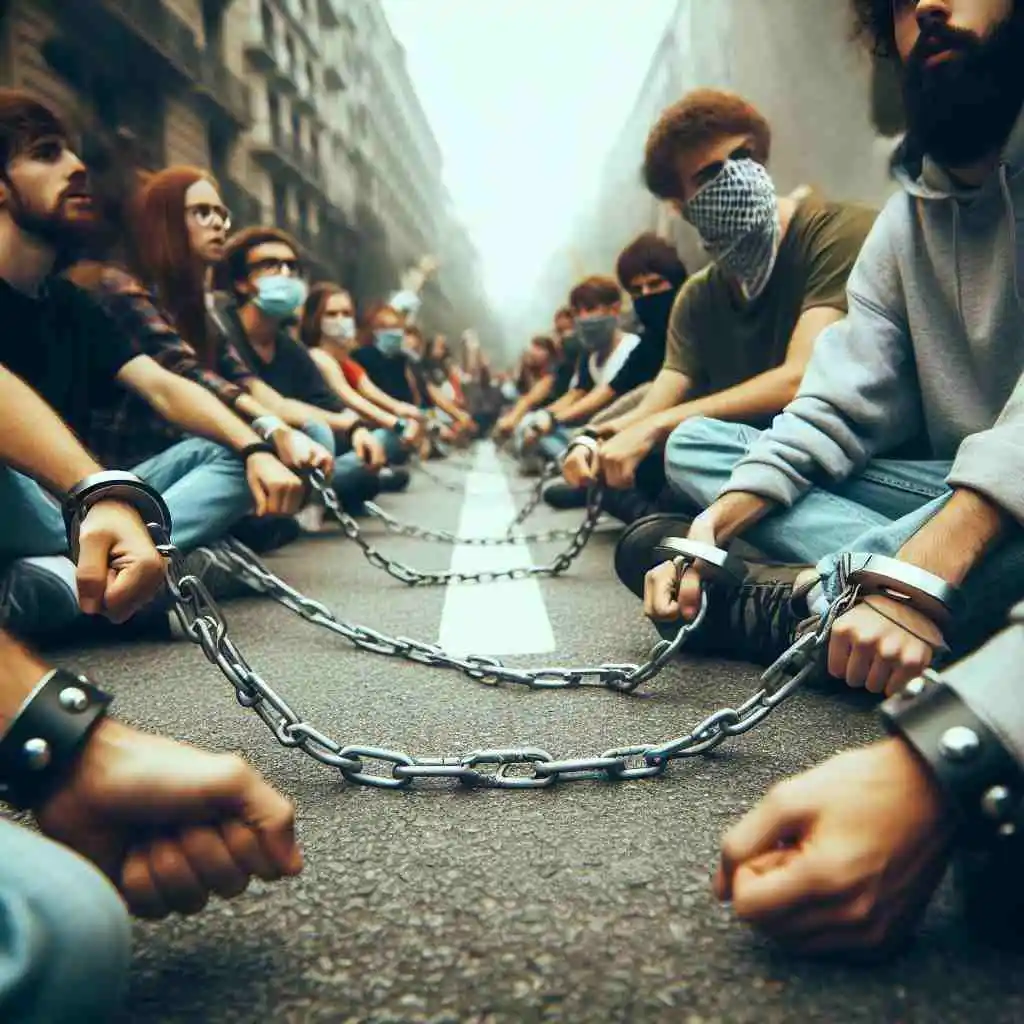
How to Tell if Your Country is No Longer Democratic
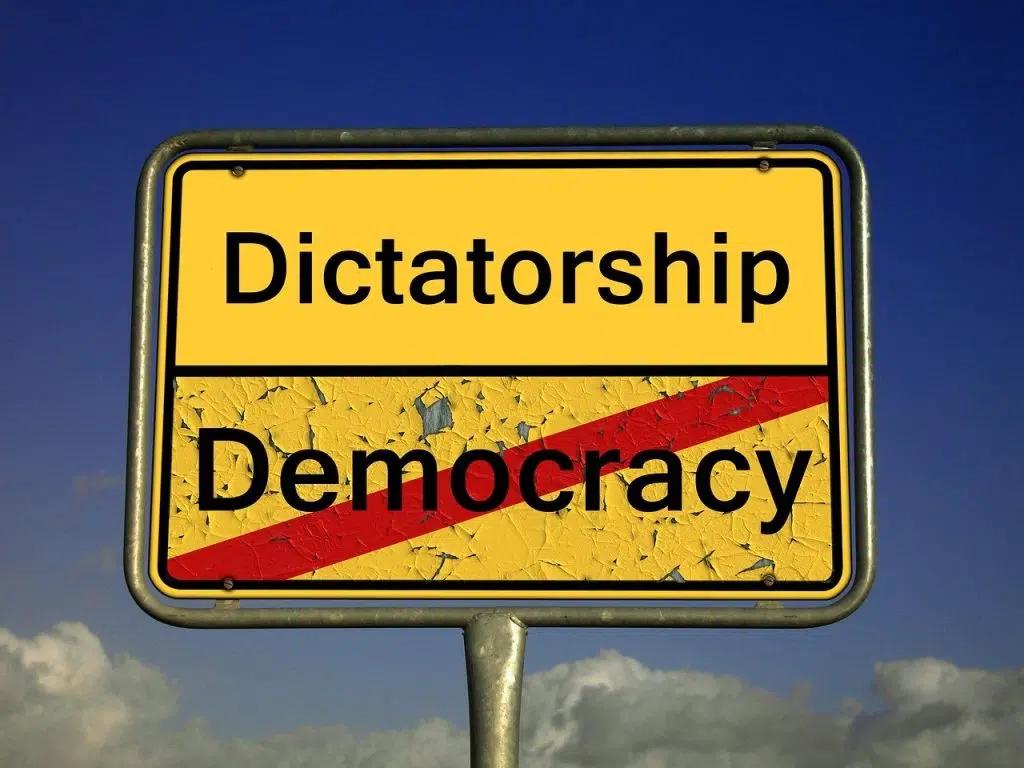
In the twenty-first century, some regimes have hollowed out democratic systems, leaving behind only the husk of democracy. These governments often maintain the facade of elections while behaving exactly like military dictators. To determine if your country has veered into authoritarianism, consider these criteria: